Oli’s confinement to Jhapa-5 sign of trouble for former PM, his party
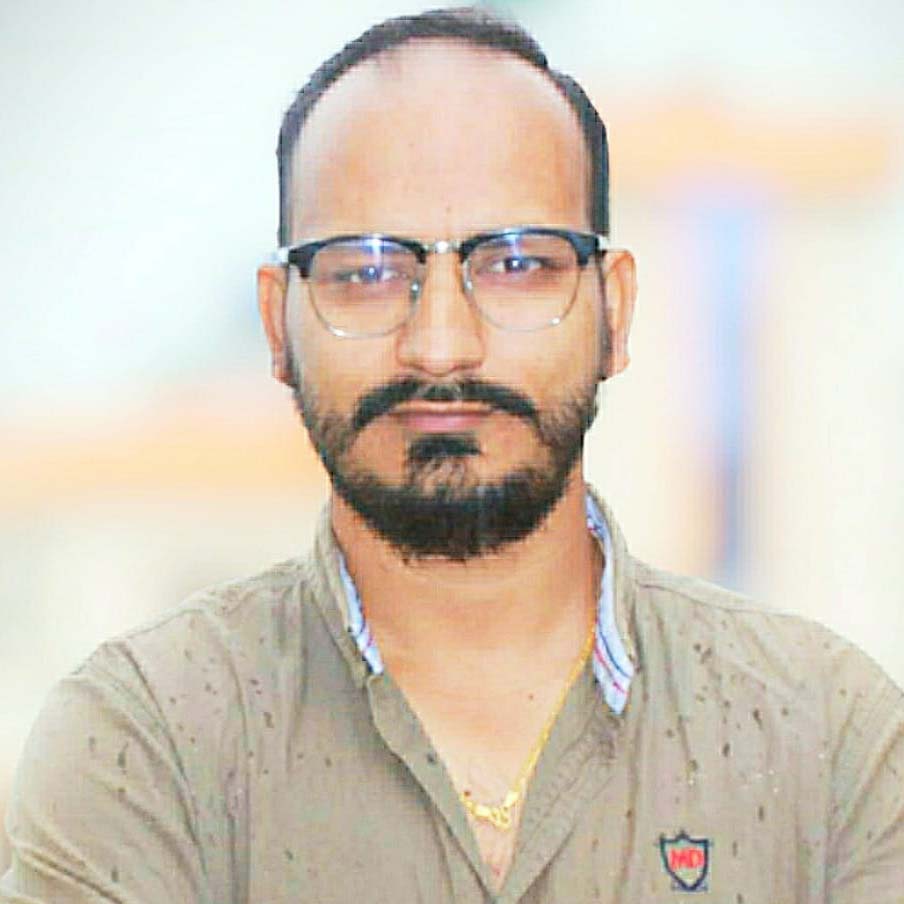
He is campaigning like never before, going door to door, listening to grievances. UML leaders say that despite a tighter race this election, they are confident of another Oli victory. Photo: Courtesy of KP Sharma Oli/Facebook
In previous elections, CPN-UML chair KP Sharma Oli travelled extensively across Nepal, addressing mass rallies and positioning himself as a central figure who could win votes nationwide.
This time, however, the four-time prime minister has been confined to his own constituency, Jhapa-5, reflecting the changing dynamics of the upcoming parliamentary election.
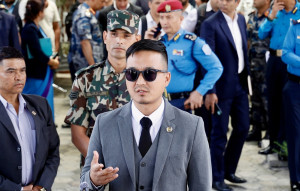
After Balendra Shah, popularly called Balen, resigned as Kathmandu mayor to contest against Oli in Jhapa-5, the latter has hardly had time to travel to other places to canvass votes for his fellow comrades.
Conducting extensive door-to-door campaigns, listening to people’s grievances, and appealing for votes—these are alien to Oli, someone who has registered handsome victories in most elections he contested in this constituency. Instead of leading national campaigning, he is busy developing election strategies for himself with party leaders.
Unlike in previous elections, when Oli would campaign for the victory of other party members, the UML’s rank and file seems to be worried about the party chair’s standing in his constituency.
The party’s Jhapa-5 constituency committee on Saturday issued a 35-point appeal outlining the reasons why “Oli needs to get elected”. It has claimed that the country needs Oli to safeguard its sovereignty, to strengthen democracy, and to end “blatant foreign interference”.
In a desperate measure, Oli came up with a commitment paper on Tuesday, just three days after the 35-point appeal was issued.
Since being elevated to the party’s top position after the party’s ninth general convention in 2014, Oli has been one of the most recognisable political figures in the country, often serving as the chief campaigner for his party during elections.
On the Rastriya Swatantra Party’s side, since filing his nomination for the parliamentary election on January 20, Shah, a senior RSP leader and prime ministerial candidate, has travelled from east to west to drive its electoral campaign. Oli, the UML’s prime ministerial candidate, is largely confined to Jhapa.
Local political observers say this shift underscores how competitive the race has become. According to Byanjana Sharma, who teaches English at Damak Multiple Campus, Oli’s challenges are mounting as the election approaches.
“We barely saw Oli for any time during previous elections,” Sharma says. “His focus on the constituency this time suggests he is under pressure to retain it.”
In the past two elections, the UML had an alliance with the Rastriya Prajatantra Party in the constituency, whereas the party is contesting without an alliance this time. This has added to Oli’s challenges.
But UML party leaders dismiss such claims, saying that despite the tighter race, they remain confident of another Oli victory. They also claim that since the election campaign only officially began on Monday, Oli will now travel to other constituencies.
“He is travelling to Kathmandu on Wednesday to release the party manifesto the next day,” Hikmat Karki, the chief minister of Koshi Province and party leader, said. “He will travel to other constituencies after that.”
Karki also argues that his long political experience, organisational network, and influence within the party remain strong advantages in the election. Supporters also point to infrastructure projects and policy decisions made during Oli’s tenure as reasons voters may continue to back him. He will emerge victorious with a big margin, and no, the party has not felt additional pressure in Oli’s constituency, he claimed.
But Krishna Pokharel, a professor of political science and left-leaning analyst, refuses to buy this argument. He says that Oli might travel to some constituencies to save face, but overall, he is under pressure and thus busy in his constituency.
“Oli, whose image has been tarnished as someone opposing the spirit of the Gen Z movement, faces Balen Shah, who is considered the unofficial leader of the same protest,” says Pokharel. “When Jhapa-5 hosts the contest between the revisionist and the progressive, Oli is under pressure to focus on his own constituency.”
Party workers have expanded mobilisation efforts, while Oli himself has been attending smaller gatherings, listening to voter concerns, and highlighting past development initiatives associated with his leadership. All these activities point to a tough competition.
In Oli’s constituency, the contest is expected to be more competitive than in previous elections. Opposition candidates, especially Shah, have intensified grassroots campaigning, organising door-to-door outreach and smaller community interactions rather than relying solely on large public rallies. This approach has compelled Oli and his party organisation to concentrate resources locally.
Analysts say the political environment following last September’s youth-led protests and the growing influence of social media in shaping public opinion have put established leaders, including Oli, under greater scrutiny. To add to Oli’s worries, voters are rooting for new faces and a new political party this election.
Political analyst Mumaram Khanal notes that this constituency-focused approach strategy suggests all is not well. “Given his deteriorating public image following the Gen Z protests, I am not sure his presence will help drum up support for other candidates even if he could campaign for them. Second, what I also see is that he is not at all confident that he can beat Shah in Jhapa-5.”
Oli was the prime minister in the UML-Nepali Congress coalition at the time of September’s youth uprising, which claimed 77 lives in total.




 18.53°C Kathmandu