20.85°C Kathmandu


Gas shortages push Nepali households towards electric stoves
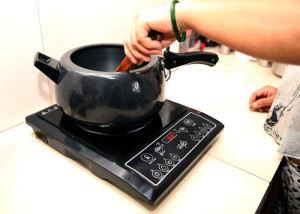
Imports of induction and infrared cookers have surged as unreliable LPG supplies and rising prices drive consumers to alternative cooking options.
Imports of induction and infrared cookers have surged as unreliable LPG supplies and rising prices drive consumers to alternative cooking options.
New committee will study separate cylinder sizes and prices for household and commercial users after the latest LPG shortage. Similar efforts in 2011 and 2013 were never implemented.
Retailers are using TikTok, Facebook and Instagram to clear old stock and draw shoppers into stores.
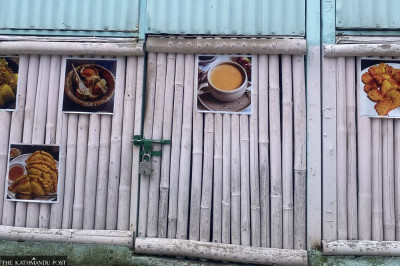
Restaurants in Kathmandu are dropping tandoori roti, fried dishes and other gas-intensive items as they struggle to keep their kitchens running.
A government directive allowing consumers to exchange cylinders across brands has failed to take effect, with gas companies citing legal, technical and insurance complications.
Kathmandu residents face hours-long queues as highway blockages, pent-up demand, and distribution bottlenecks squeeze cooking gas supplies, triggering price hikes and the resignation of the commerce minister.
Her resignation follows criticism over comments that LPG supplies would not ease until action was taken against industrialists.
As a farmers’ cooperative opens more stalls in the capital, growers say the bigger challenge is now grading, packaging and getting the fruit to market in good condition.
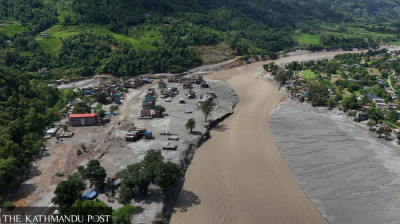
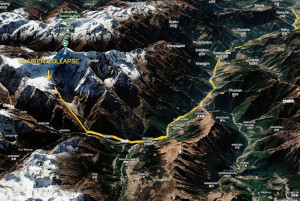
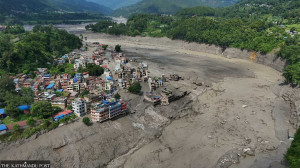
Bhotekoshi floods are expected to cut food production by 7,686 tonnes in affected areas.
Fuel, food and other essentials are reaching the Capital through alternative roads, but transport disruption is pushing up prices and limiting cooking gas supplies.
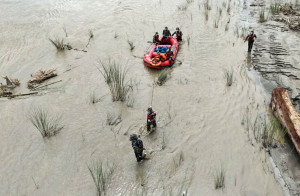
Companies, banks, insurers and individual donors have pledged millions of rupees to Nepal’s disaster relief fund as rescue operations continue and affected communities face a long road to recovery.
Imports of makeup, skincare and haircare products reached Rs13 billion in the last fiscal year, with traders attributing rising demand to social media and the growing beauty-service industry.
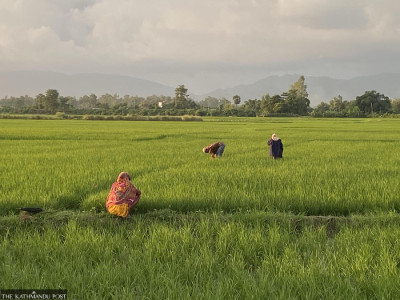
Transplanting has reached 97.48 percent, up from 94 percent last year, with Madhesh making the biggest gain and officials expecting higher production.
Nepal issued more than 700,000 agricultural insurance policies in five years, but most cover livestock and fish, not crops.
The government has compensated 104 affected farmers after culling more than 835,000 birds, while officials say fresh claims could require another Rs100 million.