Nepal’s parliament is now accessible in sign language—but interpreters face challenges
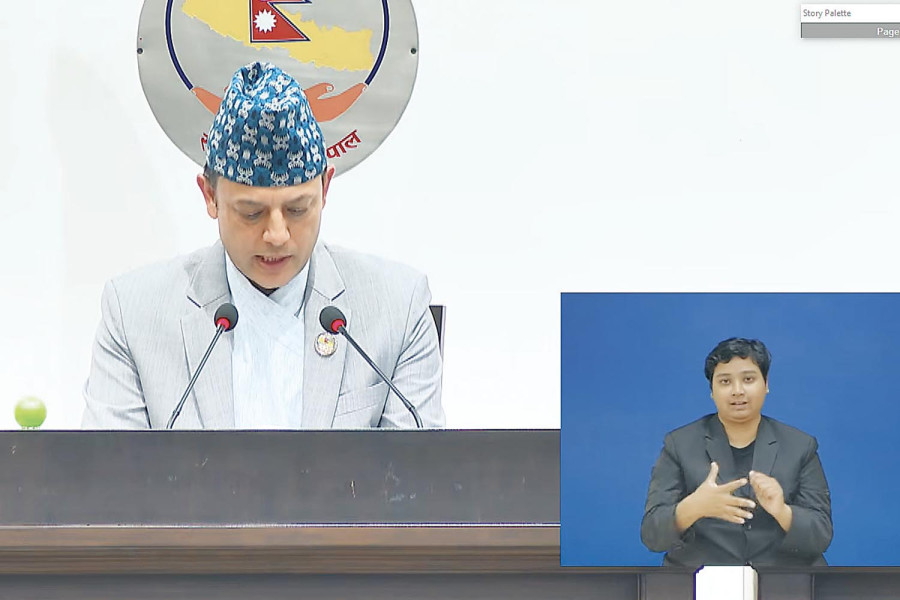
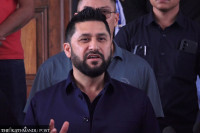
Deaf viewers can now follow parliamentary debates independently for the first time, though interpreters say the work remains technically and mentally demanding. Speaker Dol Prasad Aryal and a sign language interpreter (right) in a recent House session. Screengrab Via YouTube
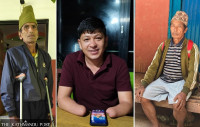
Gyan Bahadur Thapa, a teacher at Navajyoti Deaf Secondary School in Sindhuli, had long wanted to follow parliamentary debates live like any other citizen. Although he cannot hear, he regularly watches television, uses a mobile phone, reads newspapers and closely follows current affairs. Politics and policymaking have always interested him, particularly the speeches and decisions of leaders elected through public votes.
For years, however, understanding live parliamentary proceedings was difficult for him. During broadcasts of House meetings, he depended on others to explain discussions through sign language. That changed after the Federal Parliament Secretariat introduced live sign language interpretation in both the House of Representatives and the National Assembly from May 11.
Now, Thapa watches the proceedings on his own and follows debates directly. “We can finally understand how the country’s parliament functions,” Thapa said. “The meetings where national policies are discussed have become accessible to people like us who cannot hear.”
Nepal’s parliament had previously arranged interpreters only in limited cases. In 2008, Raghav Bir Joshi, who was elected to the Constituent Assembly under the proportional representation system, was provided with interpretation support inside the parliament. But this is the first time parliamentary proceedings are being broadcast live nationwide with sign language interpretation in both the House of Representatives and National Assembly.
The deaf community has welcomed the move, calling it an important step towards inclusive democracy. Yet interpreters involved in the live broadcasts say the work remains extremely demanding.
Parliament sessions rarely proceed smoothly. Lawmakers often interrupt proceedings with slogans, protests and heated exchanges. Meetings are sometimes adjourned abruptly. Such scenes create confusion for interpreters attempting to instantly translate spoken exchanges into Nepali sign language.
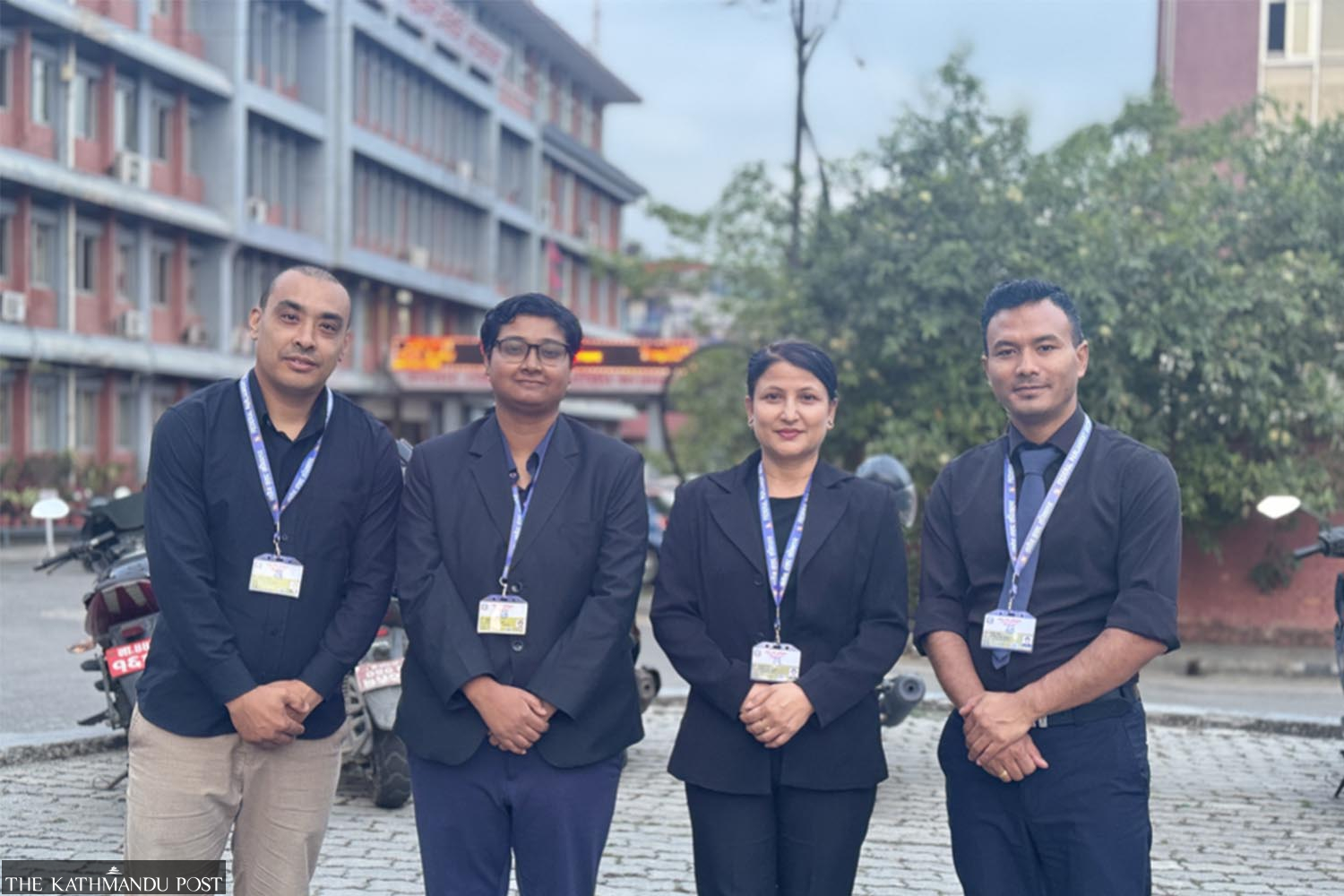
Dinesh Shrestha, who has been working as a sign language interpreter for the past 15 years, is among those translating House of Representatives meetings live on television. He recalls struggling during Wednesday’s parliamentary protest, when opposition lawmakers objected to the absence of the prime minister during discussions on the government’s policies and programmes.
“Many people speak at the same time during protests,” Shrestha said. “It becomes difficult to decide whose words should be translated first. Some parliamentary terms do not even have standard signs.”
According to him, there are still no established signs for words such as ‘point of order’, ‘criminal offence’ and ‘ordinance, all frequently used in parliamentary debates.
Despite the challenges, Shrestha says the assignment has become an important learning experience. Parliamentary debates, legal discussions and national issues have expanded his own understanding of politics and governance. “There is much more to learn in the parliament than in many other places,” Shrestha said. “If someone has a strong command of language, the work also becomes interesting.”
Post photo
Santoshi Ghimire, another interpreter working in the House of Representatives, shares similar experiences. Having previously worked with the Koshi Deaf Association, the National Federation of the Deaf Nepal and Nepal Television, she says live interpretation demands immediate decisions because many political expressions still lack agreed sign language equivalents.
“The biggest challenge during live broadcasts is the absence of signs for many technical and political words,” she said. “Discussions are underway on how to make such terms easier to explain.”
Ghimire added interpreters must communicate not only spoken language but also the atmosphere inside the parliament. Protest scenes, shouting and disruptions also need to be expressed visually through signs and gestures.
Prakash Maharjan, who interprets National Assembly meetings in sign language, says live broadcasts require interpreters to use both ‘mind and hands’ constantly. He has worked in sign language interpretation for 17 years in television stations and social organisations, but parliamentary interpretation is a new experience for him.
Technical difficulties further complicate the task. Maharjan says there are times when the audio becomes unclear or cameras suddenly move away from lawmakers while they are speaking, making accurate interpretation difficult.
Samriddhi Shrestha, another interpreter in the National Assembly, says she also faces difficulties due to the lack of standard signs for many parliamentary terms.
The National Federation of the Deaf Nepal has described the arrangement as a historic achievement and a major step towards inclusive democracy. Sitaram Ojha, the federation’s general secretary, said the organisation had long lobbied for accessible parliamentary broadcasts.
“With sign language interpretation now included in live parliamentary proceedings, the deaf community can better understand national policies, budgets, laws and major political debates,” Ojha said.
Federal Parliament Secretariat spokesperson Eakram Giri said the arrangement was introduced after repeated demands from disability rights groups. He said the secretariat plans to continue improving the system and eventually institutionalise it permanently.
Sunita Thapa, a Gandaki Province Assembly member with hearing disability, also welcomed the initiative, saying it respected the deaf community’s right to information and political participation. “Democracy becomes meaningful only when every citizen can equally understand parliamentary discussions and decisions,” she said.
Nepal’s constitution 2015 and the Rights of Persons with Disabilities Act 2017 guarantee access to information and communication for persons with disabilities. According to the 2021 national census, Nepal has 102,893 people with hearing disabilities.
Disability rights activists say the introduction of sign language interpretation in the parliament reflects a gradual shift towards accessibility in public institutions, although implementation remains uneven across the country. Advocates argue that accessibility should not remain limited to the parliament alone. They say sign language services must also be expanded to courtrooms, hospitals, local governments and public events so that people with hearing disabilities can participate fully in public life.




 14.81°C Kathmandu