How a camera changed one woman’s relationship with the wild
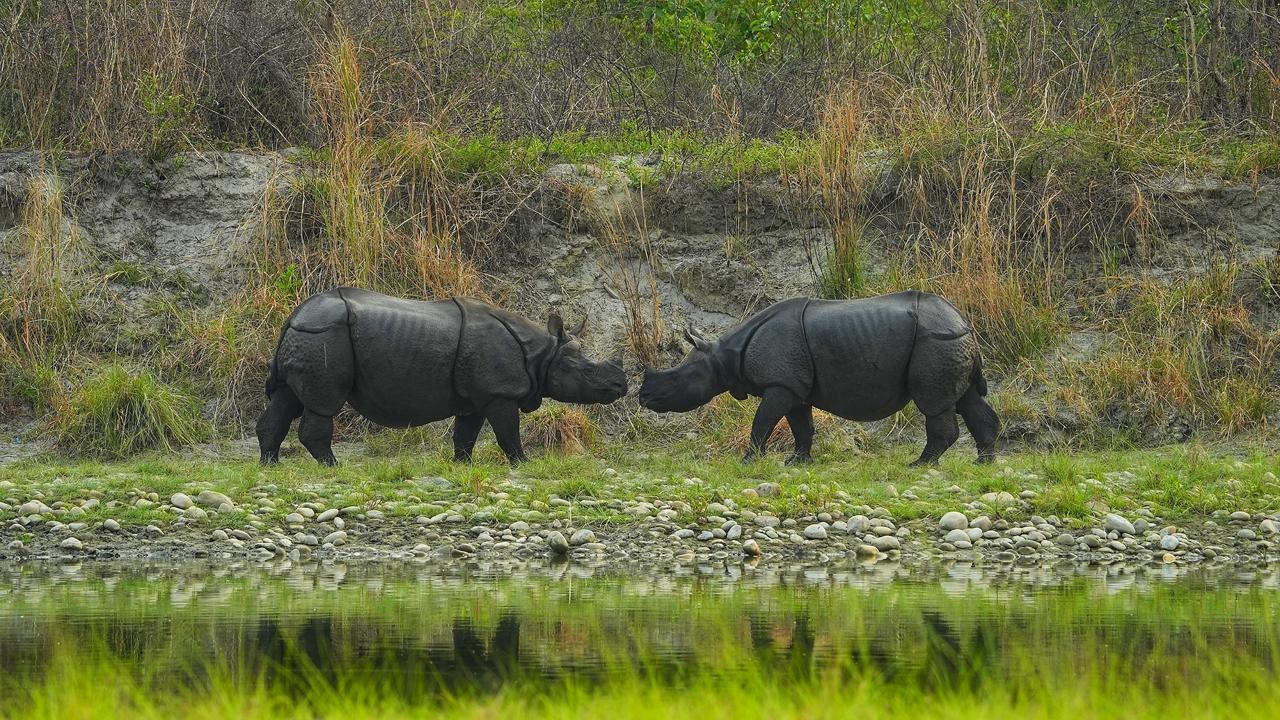
A tourist once left her a camera. Today, Manju Mahatara uses it to document the fragile relationship between people, wildlife, and the forests of Bardiya. Photos: Courtesy of Manju Mahatara
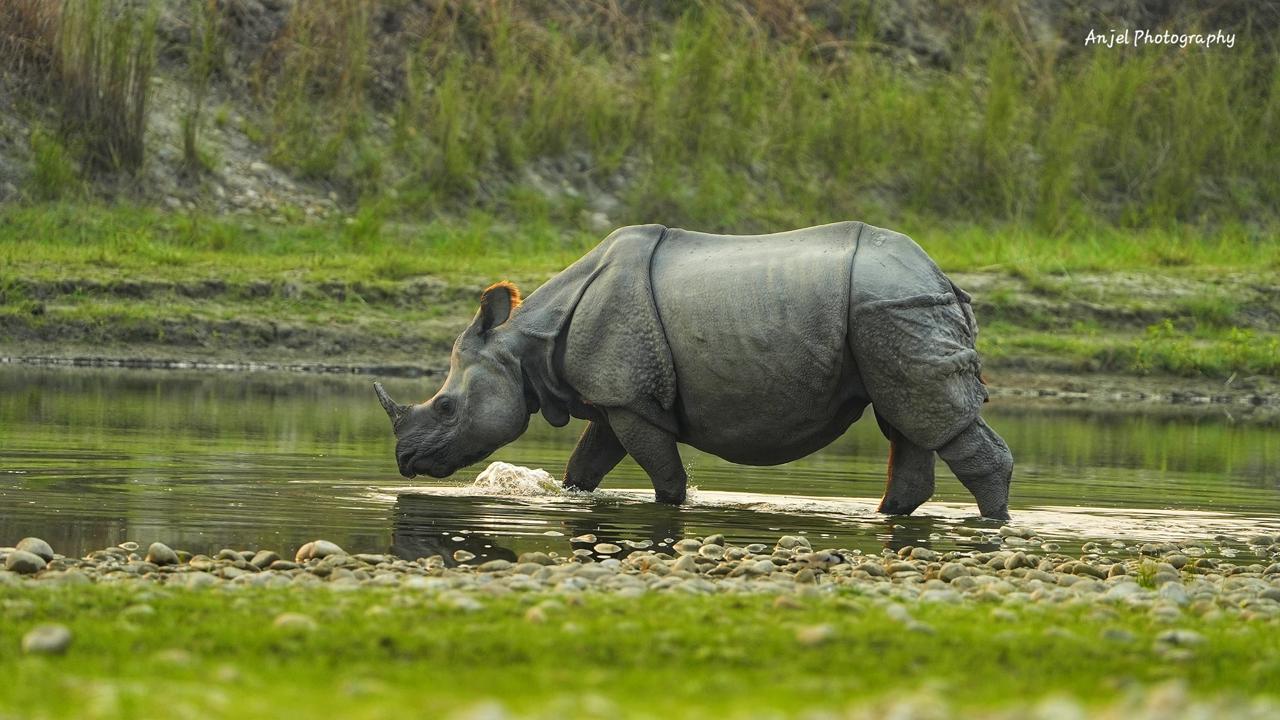
In the silence of Bardiya National Park, where every rusting leaf can signal the presence of the wild, Manju Mahatara tells their stories through her lens.
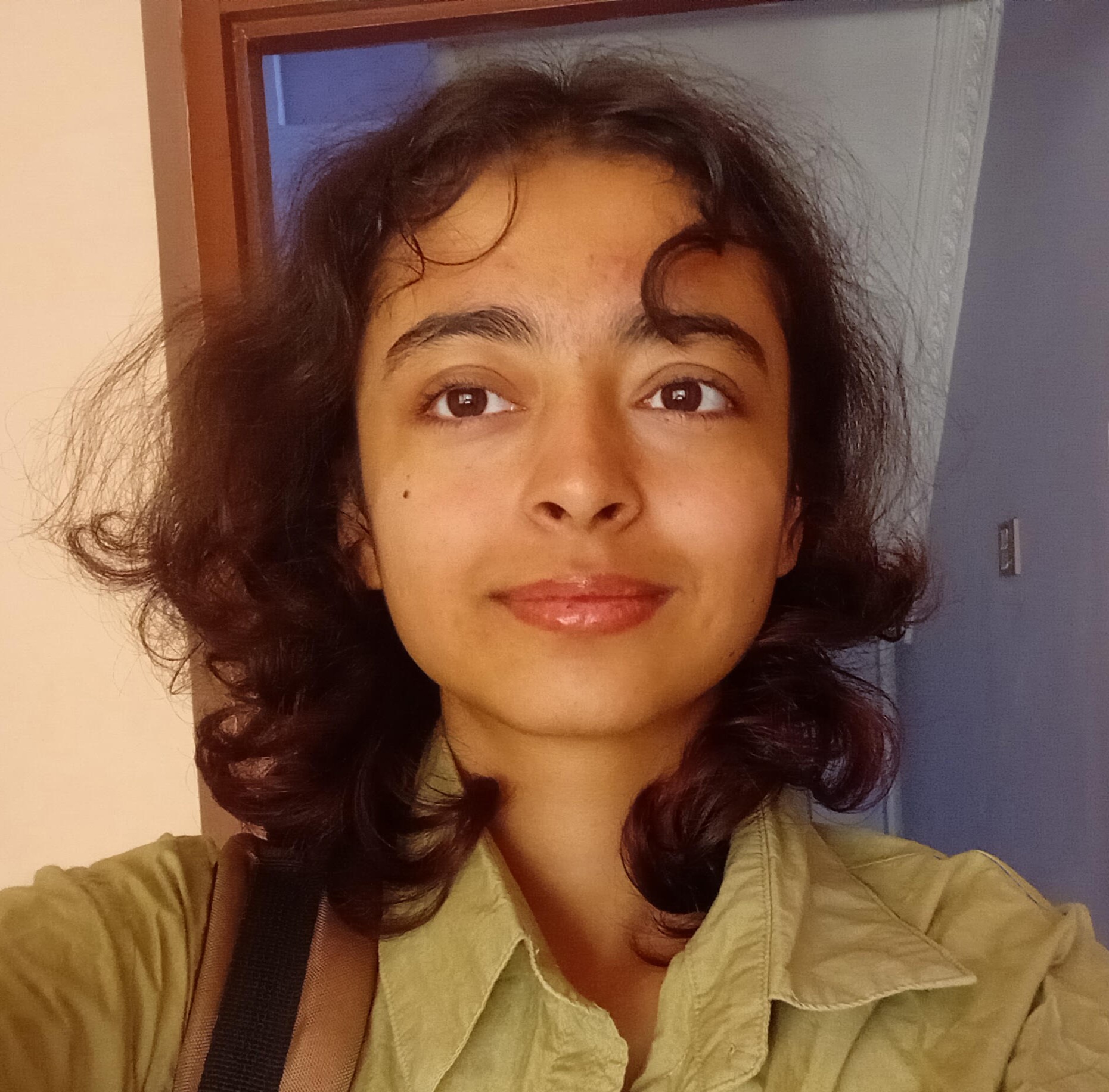
Born and raised in Thakurbaba-9, close to the forests of Bardiya, Mahatara has built a life connected with nature and wildlife. Three years ago, while working as a nature guide in Bardiya National Park, a tourist left her a camera.
She picked up the lens to tell the animals’ stories and to support their conservation. Every day, she returns to the wild, trusting it, and the wild trusts her in return.
In this conversation with the Post’s Jony Nepal, Mahatara describes her experience in the wild.
What inspired you to become a wildlife photographer? Was there a single image you took early on that made you think, ‘this is what I’m meant to do’?
Growing up close to nature in Bardiya meant that my daily life was always directly or indirectly related to wildlife and the forest. Working as a nature guide, I spend most of my time in the jungle, where I encounter several species of wildlife and witness beautiful moments in their behaviour. It inspired me to do photography.
One winter morning, while on a Safari at the entrance to Bardiya National Park, I saw four monkeys sitting close together. That scene looked as if they were hugging each other to stay warm. I took a few photographs of them and continued what I was doing.
About a week later, while reviewing my pictures, I found that image again. Looking at it, I remembered the entire moment and the feeling of that cold morning. I could clearly see their feelings in the picture, and that moment made me realise this is not just photography for me; it’s a way to tell the jungle’s stories to the world.
What does it mean to be a woman behind the lens in a field where that’s still rare?
Since I first knew photography, I have always seen the men behind the lens.
For me, being a female wildlife photographer means breaking barriers and showing that women from rural Nepal can also work fearlessly in the field as photographers, presenting powerful ways of storytelling.
Do you feel a responsibility to preserve wildlife? What impact does your photography have beyond art?
Yes, I feel a deep responsibility not only as a photographer, but as someone who tells the story of wildlife and nature. Working in Bardiya, I have closely witnessed the beauty of the wildlife, as well as the conflict, fear, and coexistence between people and wildlife.
That is why my photographs are not just about capturing beautiful moments; they also carry a message of conservation.
Many people may never enter a jungle or see these animals in real life, but a photograph can create that connection. If my work can inspire even one person to respect nature, care about wildlife, or support conservation, then my photography has served a purpose beyond art.
Have you ever had a moment when being in the wild put your safety at risk?
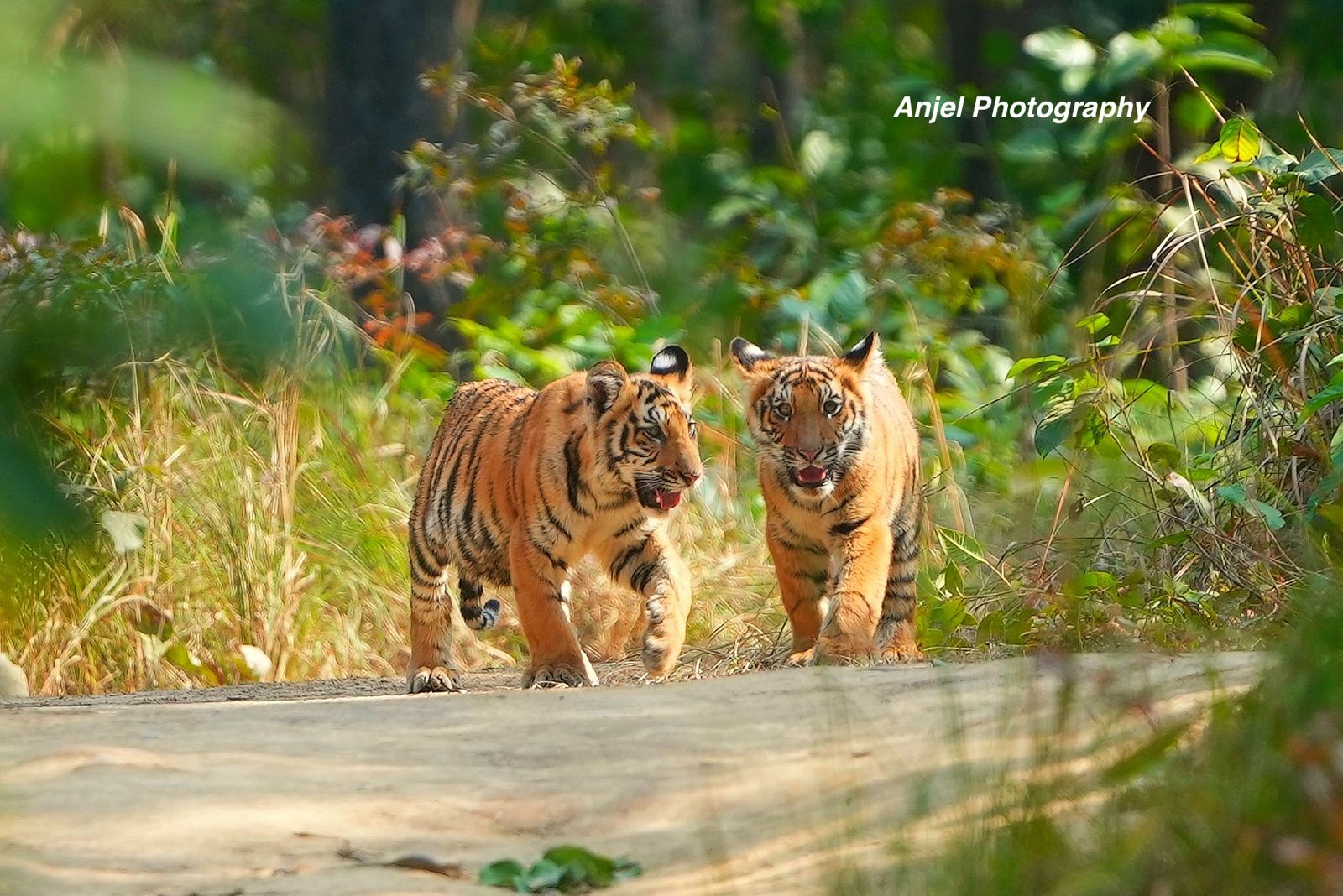
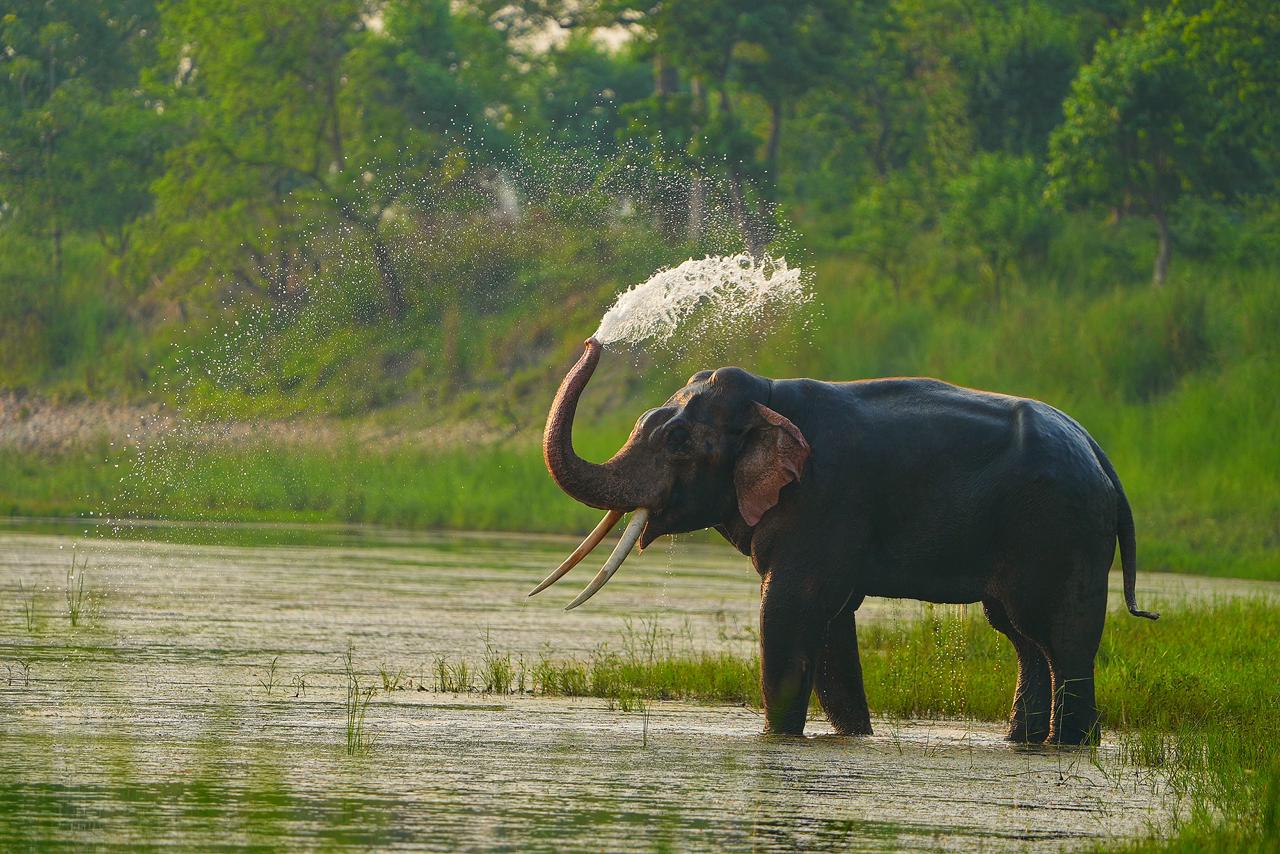
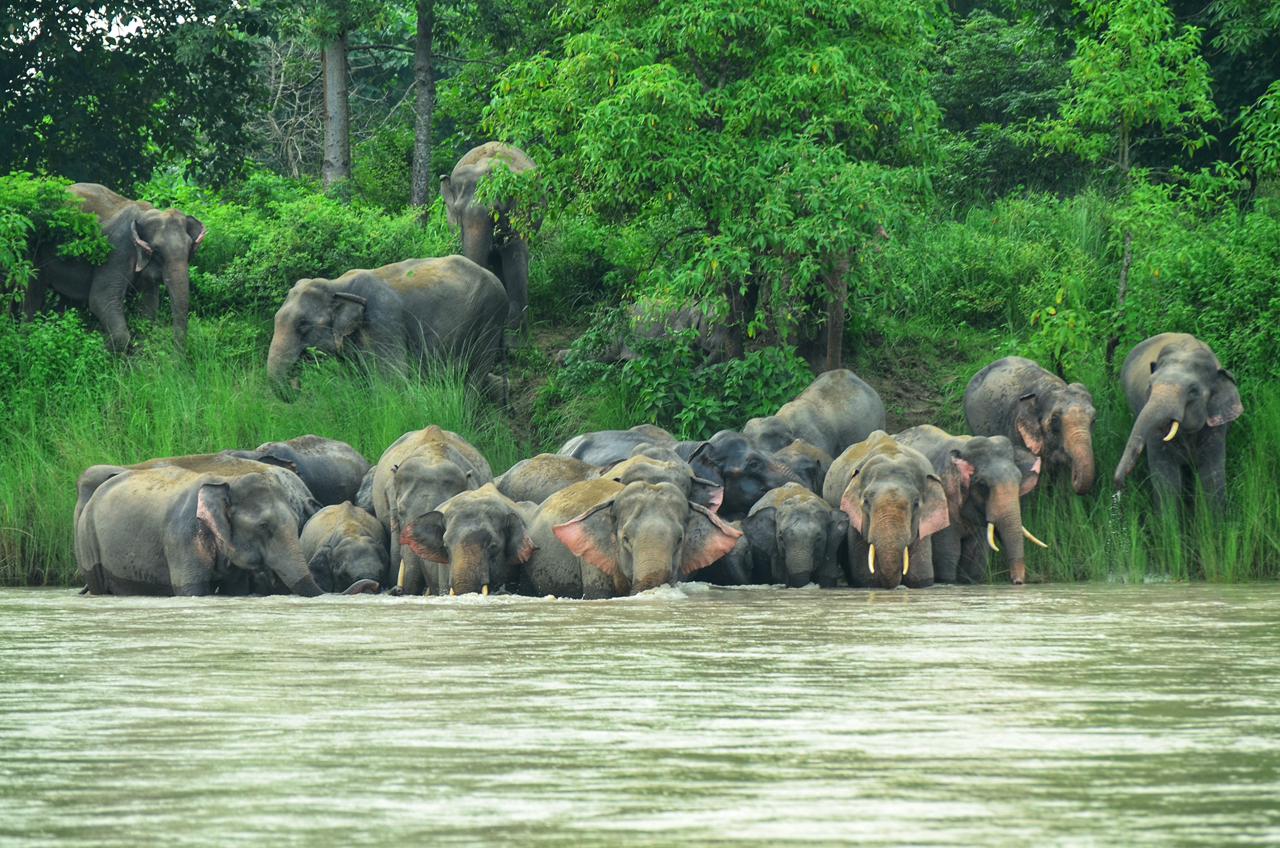
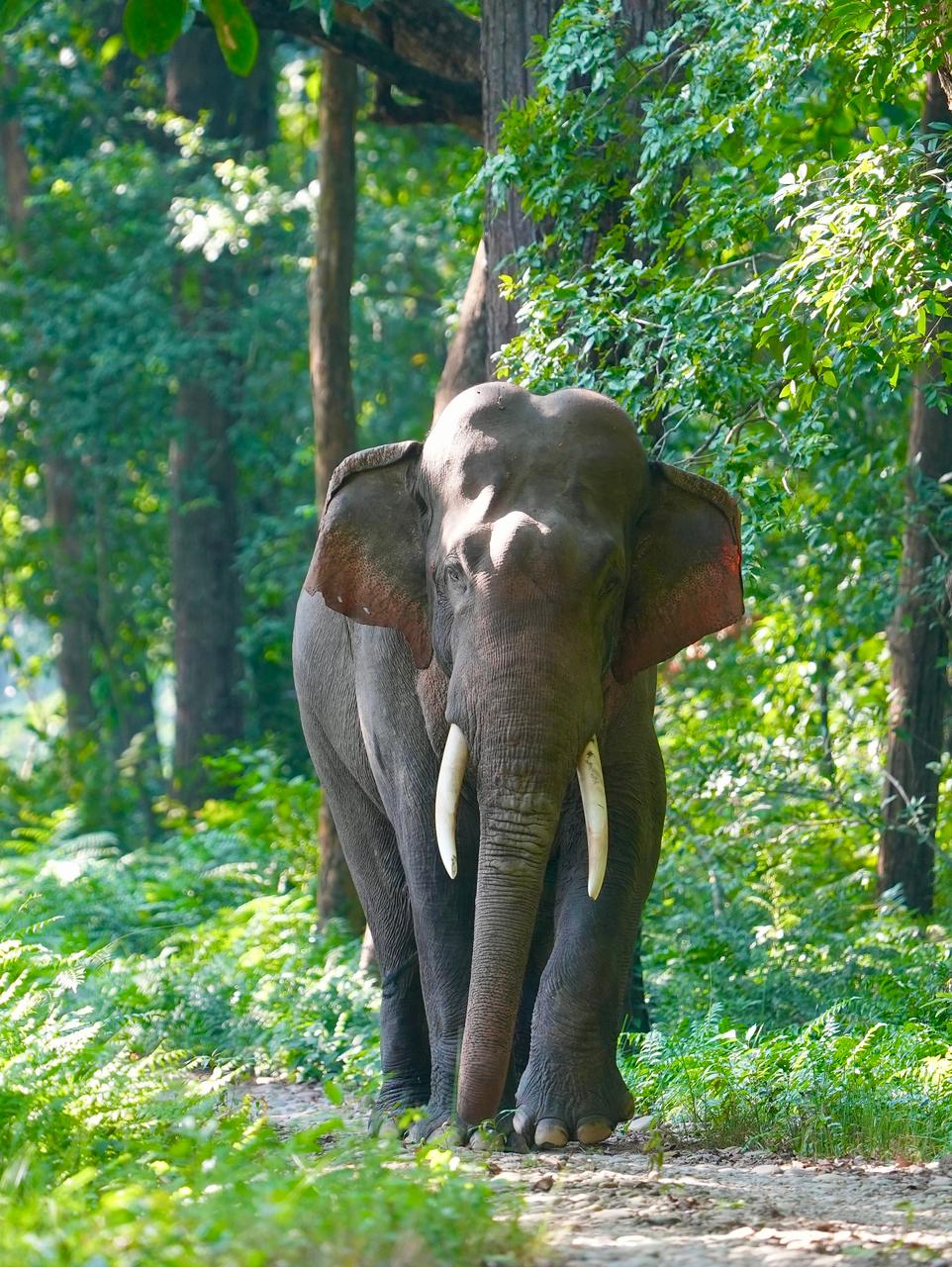
I have spent the most time tracking tigers and elephant herds.
Wildlife photography is a risky job. We never know what surprises nature has in store for us. There is a risk in every step if we’re not aware.
I had a terrifying encounter with a tiger in the field. We accidentally came very close to each other while I was in a jeep. For a moment, it was intense, but we stayed calm. The tiger let out a warning call and slowly retreated into the forest; consequently, we reversed and gave the wildcat some space.
At that moment, I learned that in the jungle, respect is everything. When both sides respect distance, both lives are safe.
Wildlife photography often means waiting for hours, days, sometimes seasons. What goes through your mind in that silence?
In wildlife photography, the quiet is never truly empty.
While waiting, I become more aware of the sounds, movement, warning calls, changing light, even the feeling of the wind and the dropping of leaves.
At the same time, deep down, there is also a small fear that the animals might change direction and come towards our location. So those quiet moments teach me more patience, respect and focus.
Sometimes we wait for days and return without a single photograph, but the experience itself becomes meaningful. In that silence, I remind myself that nature does not perform for us, but we have to earn the moment with patience and understanding. And when that one rare moment finally happens, it feels less like taking a photo and more like being trusted by the wild.
How do you sustain through your passion when economics doesn’t reward it?
In Bardiya, wildlife photography is not my main source of income because it’s not always financially sustainable. We don’t have a solid platform to sell our work. I often give my work for conservation and awareness programmes, and sometimes people expect photos without understanding the effort behind it.
Still, I continue because it’s driven by purpose, not profit, to support conservation and share the real value of wildlife.
What would you say to a woman who wants to do exactly what you do?
I recommend they not wait for perfect timing and conditions. Start from where you are, with what you have.
If you love nature, that is already your biggest strength. In a place like Bardiya, I’ve learned that courage matters more than resources. Stay patient, stay curious, and don’t let anyone tell you that this field is not for you because you are a girl. The jungle has space for everyone who respects it.




 25.12°C Kathmandu