20.92°C Kathmandu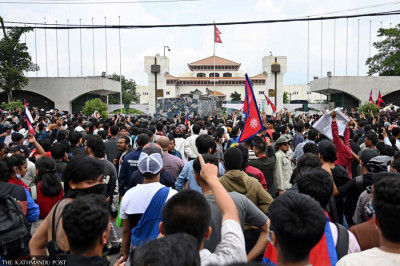
Editor’s note: A momentous year
The Gen Z uprising in early September brought about a sea-change in national politics.
The Gen Z uprising in early September brought about a sea-change in national politics.
Public figures are calling on young Nepalis to vote, seeing the election as a chance to end decades of political instability—while remaining wary of repeating past mistakes.
Young voters heading to the polls for the first time say political instability and deep dissatisfaction with established parties have pushed them to participate.
As Nepal heads to polls, economists see short-term economic stimulus amid deep concerns over instability, informal money, and whether the Gen Z uprising will bring lasting change.
A changed post-Gen Z political landscape, unification of alternative forces and parallel preparations for polls and possible House revival make upcoming election highly unpredictable.
Rastriya Swatantra Party, now boosted by influential figures, looks to cash in on Gen Z protest’s momentum and diaspora backing, though analysts warn its appeal may be limited outside urban areas.
The March 5 snap election, triggered by a deadly Gen Z-led protest, is reshaping political competition. Yet questions remain about the parties’ visions, ideologies and promises of delivery.