Ministers’ resignations to contest elections raise questions about their deviation from duty
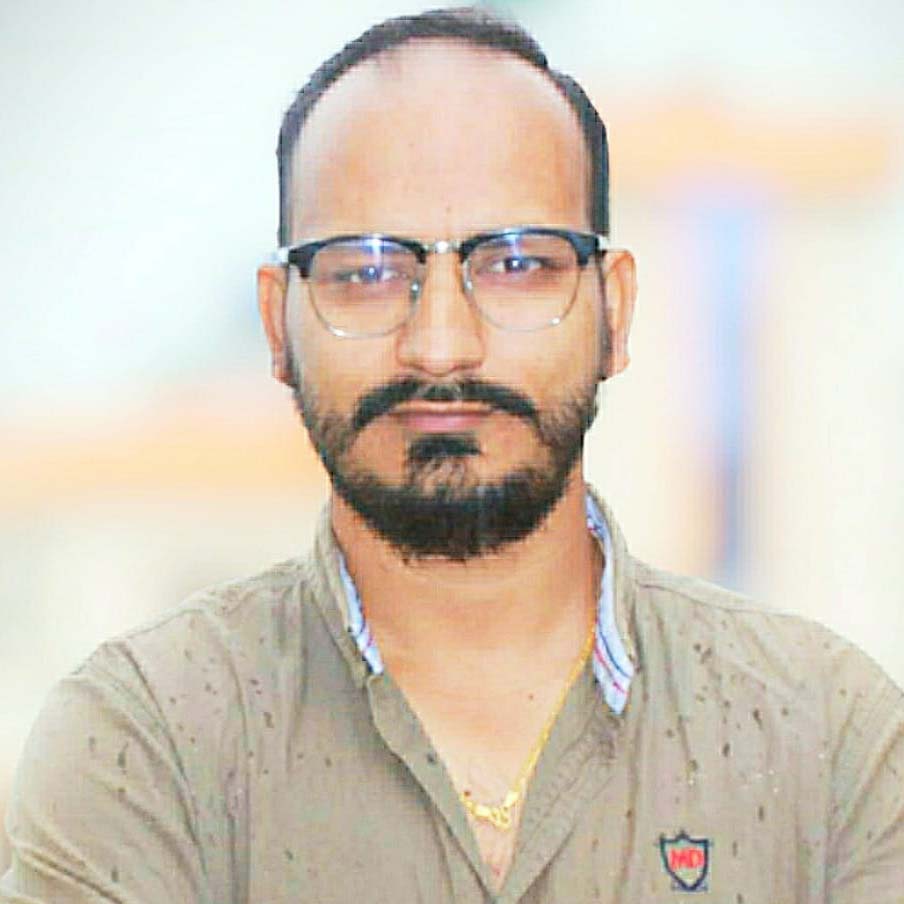
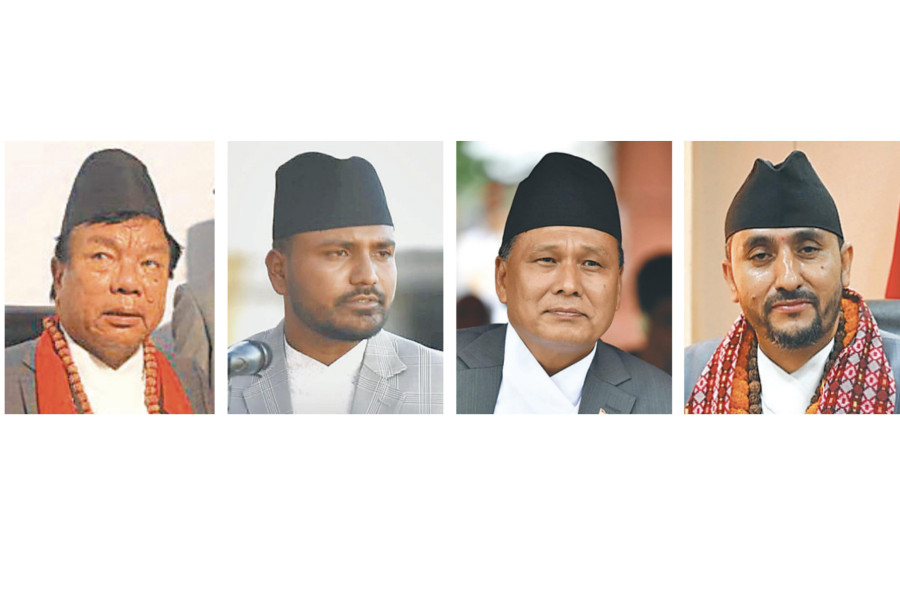
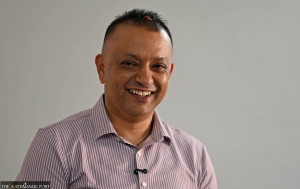
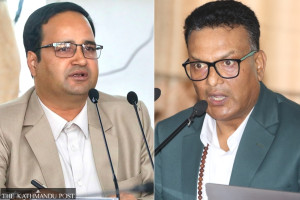
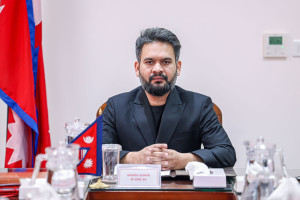
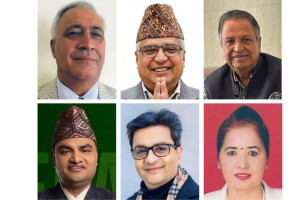
If they intended to jump into the election fray, observers say, they shouldn’t have joined the government in the first place. From left, Mahabir Pun, Bablu Gupta, Kulman Ghising and Jagdish Kharel
Resignations by ministers over the past few days to jump into the election fray have slashed the strength of the Sushila Karki government to 11 ministers including the prime minister.
The government led by the former chief justice was formed on September 12 in the aftermath of the Gen Z revolt of September 8–9. Prime Minister Karki and most of the ministers in her Cabinet were chosen mainly for their successful professional track record. They were primarily tasked with holding the snap parliamentary polls on March 5.
But four of them have resigned from their posts, without completing their main mandate, to contest the election.
The Gen Z uprising had ousted a coalition of political parties led by KP Sharma Oli in early September as youths rose up against corruption, bad governance and nepotism—issues they saw as entrenched in the Nepali political system.
Kulman Ghising who led the Energy, Water Resources and Irrigation Ministry was the first to jump onto the election bandwagon. outh and Sports Minister Bablu Gupta, Education Minister Mahabir Pun, Information and Communication Technology Minister Jagdish Kharel soon followed suit.
For former administrator Umesh Mainali, it’s a breach of public trust in the civilian government for its Cabinet members to quit for participating in the elections. Any individual with political ambitions should not have joined the government in the first place, Mainali argues.
“The ministers who resigned from their positions in the election government failed to fulfill their responsibilities to the country. It’s a total breach of public trust,” Mainali told the Post.
When four ministers in a 15-member Cabinet resign in the middle of an election process, it inevitably hampers the government’s ability to carry out day-to-day functions. This, Mainali says, resulted from the irresponsibility of individuals who aspire to become ministers after a movement but fail to fully shoulder the responsibilities given to them.
Those who resigned included figures who had joined the Karki-led interim government at different stages. Ghising was appointed at the very outset, while the other three were inducted later. Gupta, in particular, had been brought into the Cabinet as someone representing Gen Z.
Taking part in elections is a positive feature of the democratic system. However, when individuals who were eager to become ministers resign without completing the mandate entrusted to the government, it creates an impression that they used the ministerial posts merely for self-promotion, says Amit Khanal ‘Urja’, a member of the Gen Z Alliance.
“After the Gen Z movement, there was an attempt to form a citizens’ government with the idea of including individuals in the Cabinet who were not affiliated with any political party,” Khanal told the Post. “However, as those who had served in the Cabinet began to resign their posts to join political parties and contest elections, it appears that they used our movement merely as a means to gain positions of power.”
Ghising resigned from his ministerial position earlier, while Kharel and Gupta stepped down on Monday, and Pun tendered his resignation on Tuesday. All the four former ministers went on to file their candidacies on Tuesday for the March 5 elections from different constituencies.
Just a day before resigning, Ghising said that he was not a member of any political party despite agreeing to join the Rastriya Swatantra Party (RSP) as vice-chair in a merger deal between the Ujyalo Nepal Party (UNP) and the RSP on December 29.
But, soon after he resigned on January 7, he not only broke away from the agreement with the RSP but also took charge of the UNP as its chairman. Ghising is contesting the election from Kathmandu-3.
Kharel and Gupta are both contesting the election on RSP tickets. While Kharel is contesting from Lalitpur-2, Gupta is running from Siraha-1. Pun, who has filed his candidacy in Myagdi as an independent, is backed by the RSP.
A civilian government had also been formed earlier under the leadership of Khil Raj Regmi to conduct the elections to the second Constituent Assembly. Mainali recalls that all the ministers in that Cabinet had completed their responsibilities, and that none resigned in a manner that would have created difficulties for the government on the eve of the elections.
Similarly, after the formation of the government, the prime minister and the ministers themselves had repeatedly stated that, as an election-government, its primary responsibility was to conduct the polls. Against this backdrop, according to former senior bureaucrat Kashiraj Dahal, there is ample ground to question the ethical conduct of all the ministers who chose to leave the government before the polls.
Dahal argues that no one decides to enter politics overnight; such a move follows careful preparation. “If all the ministers who have now resigned were already laying the groundwork, they should not have joined a civilian government in the first place,” Dahal said.
According to Dahal, the conduct of these ministers has meant that the government formed after the Gen Z movement, despite its promise to uphold good governance, does not appear different from previous administrations from the governance perspective.
During an interaction in October, Prime Minister Karki herself had tried to assure a group of journalists that her ministers would not take part in the elections. At the time, she said she was unaware of what Ghising might do, but claimed that she had received no indications from the other ministers that they intended to contest the elections.
Karki’s press adviser, Ram Bahadur Rawal, holds a different view. Stressing a citizen’s right to contest elections, Rawal argues that there were serious doubts about whether elections would even take place. “The resignations of ministers holding key and attractive portfolios to contest the elections has, in fact, helped create a more conducive environment to the elections.”




 14.81°C Kathmandu