Balen Shah resigns as mayor to contest March 5 elections
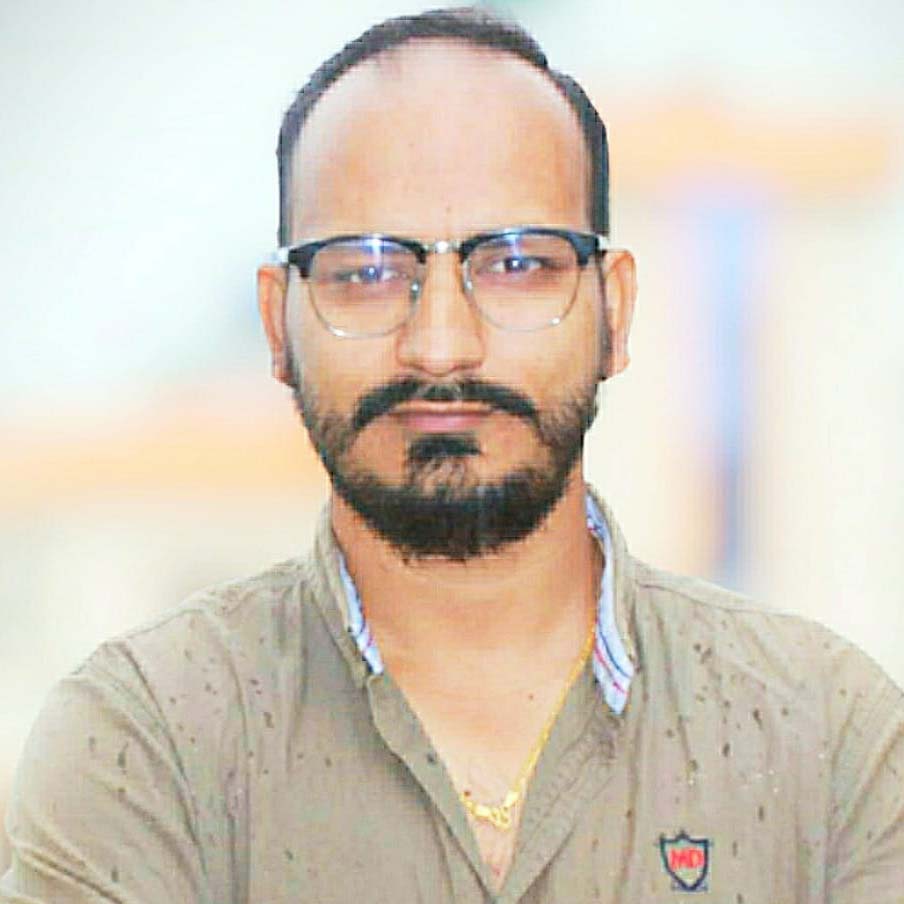
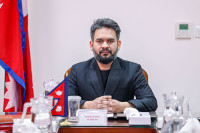
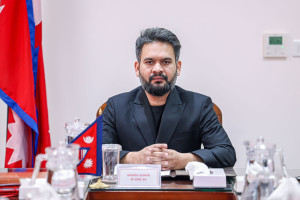
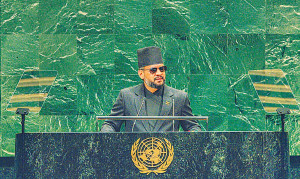
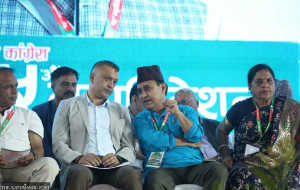
Despite questions on delivery, his corruption-free record stands out, say analysts. Balendra Shah (centre, left, in shades) resigned as Kathmandu mayor on Sunday and visited Rastriya Swatantra Party (RSP) headquarters in Banasthali, where he was welcomed by party leaders and cadres. RSP chief Rabi Lamichhane and Shah rang the bell, the party’s election symbol. Shah will contest the parliamentary seat from Jhapa-5 against CPN-UML chief KP Sharma Oli. Angad Dhakal/TKP
Kathmandu Metropolitan City mayor, Balendra Shah, popularly known as Balen, who stunned traditional heavyweights in the 2022 local elections, resigned Sunday to contest the March 5 snap parliamentary elections. He stepped down from the country’s largest and most influential mayoralty, leaving office three and a half years into his five-year term.
The Election Commission has set January 20 as the deadline for candidate registration for the direct elections to the House of Representatives, scheduled for March 5. Under existing legal provisions, elected representatives who wish to contest must first resign.
After resigning, Balen visited the Rastriya Swatantra Party (RSP) office at Banasthali, Kathmandu on Sunday. He had decided to join the RSP three weeks ago, but waited to formalise the move until stepping down as mayor.
Shah is contesting the upcoming House of Representatives election from constituency 5 of Jhapa district in eastern Nepal. Earlier, on December 28, when he entered into a seven-point unity agreement with the RSP, the party had already decided to project him as its prime ministerial candidate.
Following the youth-led Gen Z movement in September, which led to the ouster of the then KP Sharma Oli’s UML-Congress coalition government on September 9, representatives of the movement approached Balen with a request to lead an interim government. He declined, reportedly because his political ambitions extended beyond a transitional role and he was focused on winning a general election and serving a full five-year term as prime minister.
Balen has chosen Jhapa-5, a long UML stronghold, where four-time prime minister KP Sharma Oli, has been continuously contesting. By taking on Oli in his political backyard, Balen has raised the stakes of the contest.
That, however, also brings his own record under sharp scrutiny: How much did he actually achieve during his three-and-a-half-year tenure as mayor, and to what extent were the promises he made before the 2022 election fulfilled?
Cultural activist and former parliamentarian Malla K Sundar termed Balen’s crackdown on illegal constructions in Kathmandu and his initiative to widen city roads as major accomplishments. But he criticised Shah for limiting himself to a small circle of associates.
“He was elected for a full five-year tenure. But he has left office without completing the tenure, which is a kind of breach of his voters’ trust,” Sundar told the Post.
Among his major commitments were developing the Bagmati corridor as an alternative to the Ring Road, introducing GPS-based monitoring of vehicles, and adopting technology-driven solutions for waste management.
Initiatives such as making the toilets of Kathmandu restaurants available as public restrooms and launching “infrastructure ambulances” were introduced but failed to gain continuity.
Those close to Balen often give superficial explanations for failed projects. For instance, the concept of the public toilet programme, reportedly stalled after the individual working closely on the project died suddenly.
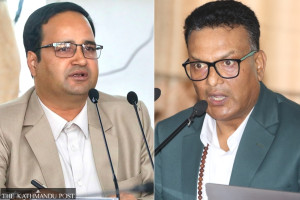
“This points to a deeper problem: his inability to rise above a narrow circle of trusted individuals and institutionalise the ideas he championed,” said Ganapati Lal Shrestha, a cultural activist working for liveable Kathmandu.
The condition of several historical water spouts, including Sundhara and others, have deteriorated. In contrast, Yanga Hiti was restored through foreign assistance and local collaboration, Shrestha said.
During his election campaign, Balen emphasised direct engagement with citizens and use of his communication skills to solve problems. Yet, he faced persistent criticism for not engaging directly with his voters.
Another accusation levelled against him is that his efforts to govern Kathmandu appeared to prioritise the interests of the powerful and well-connected, rather than addressing the everyday realities of the city’s most marginalised residents.
He also struggled to maintain constructive working relationships with Kathmandu Metropolitan City staff and failed to effectively use the development budget.
Despite these shortcomings, analysts argue that Balen’s rise sent a powerful message to younger voters that it is possible to challenge long-dominant political figures and parties.
Moreover, while he has been criticised for failing to fully utilise the development budget, analysts point out that the absence of corruption allegations against him is significant in a country where corruption is pervasive. In that sense, they believe his tenure should also be viewed as a positive signal rather than dismissed outright.
For Sundar, the scholarship schemes in different government schools launched by the Kathmandu Metro City and the job expo were also among the good initiatives. However, in a larger context, most of Balen’s initiatives failed to gain traction.
Meanwhile, other sitting mayors are also preparing to make a leap into national politics.
Bharatpur Metropolitan City Mayor Renu Dahal is also set to contest the March 5 election. Dahal, who has been serving as Bharatpur mayor since the 2017 local elections, also won the position in 2022. She is the daughter of Nepali Communist Party coordinator Pushpa Kamal Dahal and is herself affiliated with the party. Party leaders say she is almost certain to contest election from Chitwan-3.
Similarly, Dharan Sub-Metropolitan City Mayor Harka Sampang has also resigned from his position in order to contest the March 5 elections through his Shram Shanskriti Party.




 12.71°C Kathmandu