



 21.08°C Kathmandu
Sat, Jun 13, 2026
Money
Nepal, Germany break ground on Lekhnath–Damauli 220 kV transmission line
KfW-backed project aims to boost grid capacity, support hydropower evacuation and strengthen energy security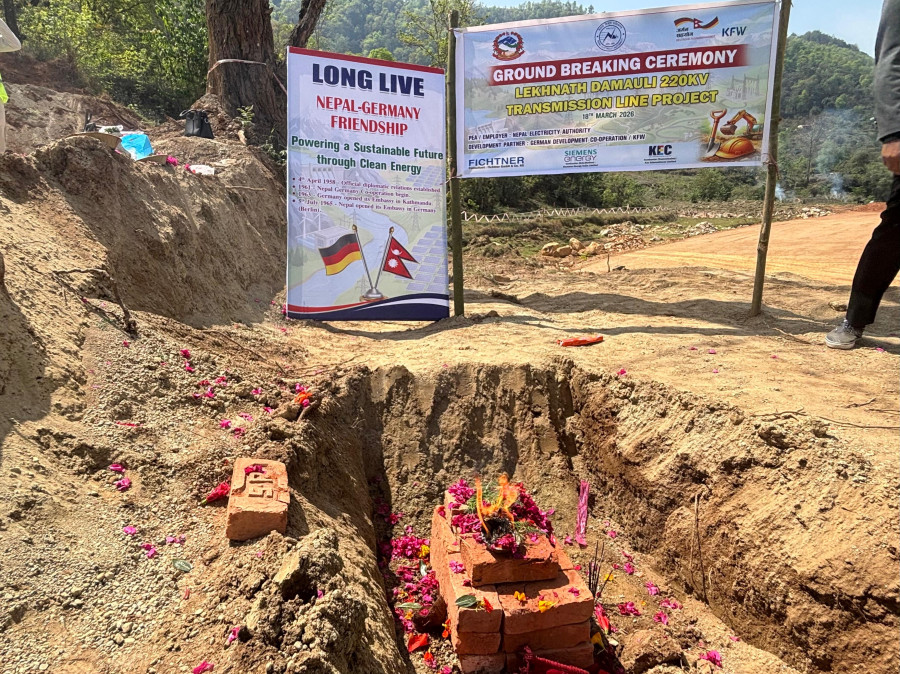
bookmark
Post Report
Published at : March 18, 2026
Updated at : March 18, 2026 15:01
Kathmadnu
The Nepal Electricity Authority (NEA), together with representatives from the Government of Germany, on Wednesday marked the groundbreaking of the Lekhnath–Damauli 220 kV transmission line project at the Damauli substation in Tanahun district.
The ceremony was attended by Hitendra Dev Shakya, managing director of NEA; the German Ambassador to Nepal Udo Volz; the Director of KfW Development Bank for Bangladesh; and other key stakeholders.
Co-financed by Germany through KfW Development Bank, the project includes the construction of a 45-km-long 220 kV double-circuit transmission line and the development of modern gas-insulated substations in Lekhnath and Damauli.
With a transmission capacity of around 1,000 MW, the project is expected to strengthen the regional electricity grid and enable efficient evacuation of power from hydropower plants in the region, including the Tanahun Hydropower Project.
By improving grid reliability and supporting the integration of renewable energy, the project is expected to contribute to sustainable economic development and improved energy security in Nepal.
“The expansion of reliable transmission infrastructure is essential for Nepal’s growing energy needs,” said Ambassador Volz. “Germany is proud to partner with Nepal in strengthening its electricity grid and enabling the use of its vast renewable energy potential. Projects like this ensure that clean energy reaches homes, businesses and industries, contributing to sustainable economic growth.”
The project also reflects the long-standing energy partnership between Nepal and Germany. German financial cooperation has supported Nepal’s energy sector for decades, beginning with hydropower development through the Lower Marsyangdi Hydropower Project and Middle Marsyangdi Hydropower Project.
As Nepal’s electricity system expanded, cooperation increasingly focused on strengthening transmission infrastructure, including the Chilime–Trishuli transmission line and the National Load Dispatch Centre.
Germany has also supported renewable energy solutions ranging from household solar systems and solar irrigation to grid-connected solar installations, contributing to around 55 MW of solar photovoltaic capacity in Nepal.
Looking ahead, German financial cooperation will increasingly focus on strengthening power distribution infrastructure to ensure reliable electricity supply to consumers and businesses, the embassy said in a statement.
Complementing these investments, German technical cooperation implemented by GIZ supports policies, systems and skills to ensure that expanding electricity infrastructure delivers tangible benefits for people and businesses.
In Gandaki Province, this includes support to Pokhara Metropolitan City in developing a five-year Municipal Energy Plan to guide efficient energy use and the adoption of clean energy technologies.
German technical cooperation has also supported the establishment of two electric vehicle charging stations in Pokhara and Damauli and the integration of two micro-hydropower plants in Baglung into the national grid of the Nepal Electricity Authority.
Reliable transmission infrastructure such as the Lekhnath–Damauli line provides the foundation for greater use of clean electricity, including electric mobility and other low-carbon solutions, supporting Nepal’s ambition to reduce reliance on imported fossil fuels, according to the statement.



Most Read from Money
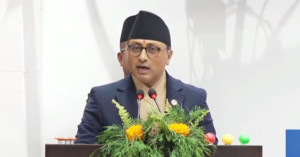
Finance Minister Wagle unveils budget for fiscal year 2026-27, announces tax relief and ministry cuts
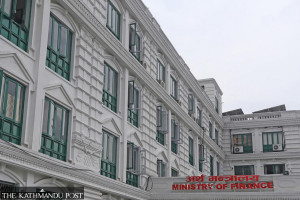
Nepal moves to tax local staff of UN agencies, diplomatic missions

Revised tax slabs threaten EV boom in Nepal

EV duties to be based on value rather than motor capacity
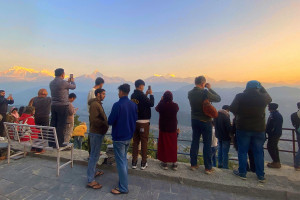
Indian tourists return to Nepal in record numbers as new travel trends reshape the market
Editor's Picks
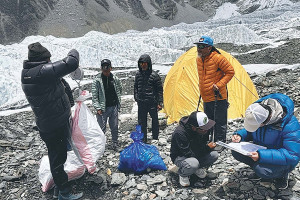
Inside the mission of Everest’s first mountain rangers
Weak arbitration defence costs government billions
Nepalis making treacherous trip to Europe through the Balkan route

Women are often at the centre of Nepali films. Why are men still telling most of their stories?
What old newspapers reveal about Kathmandu’s World Cup fever in the 80s and 90s
E-PAPER | June 13, 2026

×