Polyendocrine Metabolic Ovarian Syndrome (PMOS) affects a significant number of women worldwide, bringing a complex mix of hormonal imbalances and insulin resistance. With the widespread myths and one-size-fits-all advice, women with PMOS are left confused about their fitness journeys.
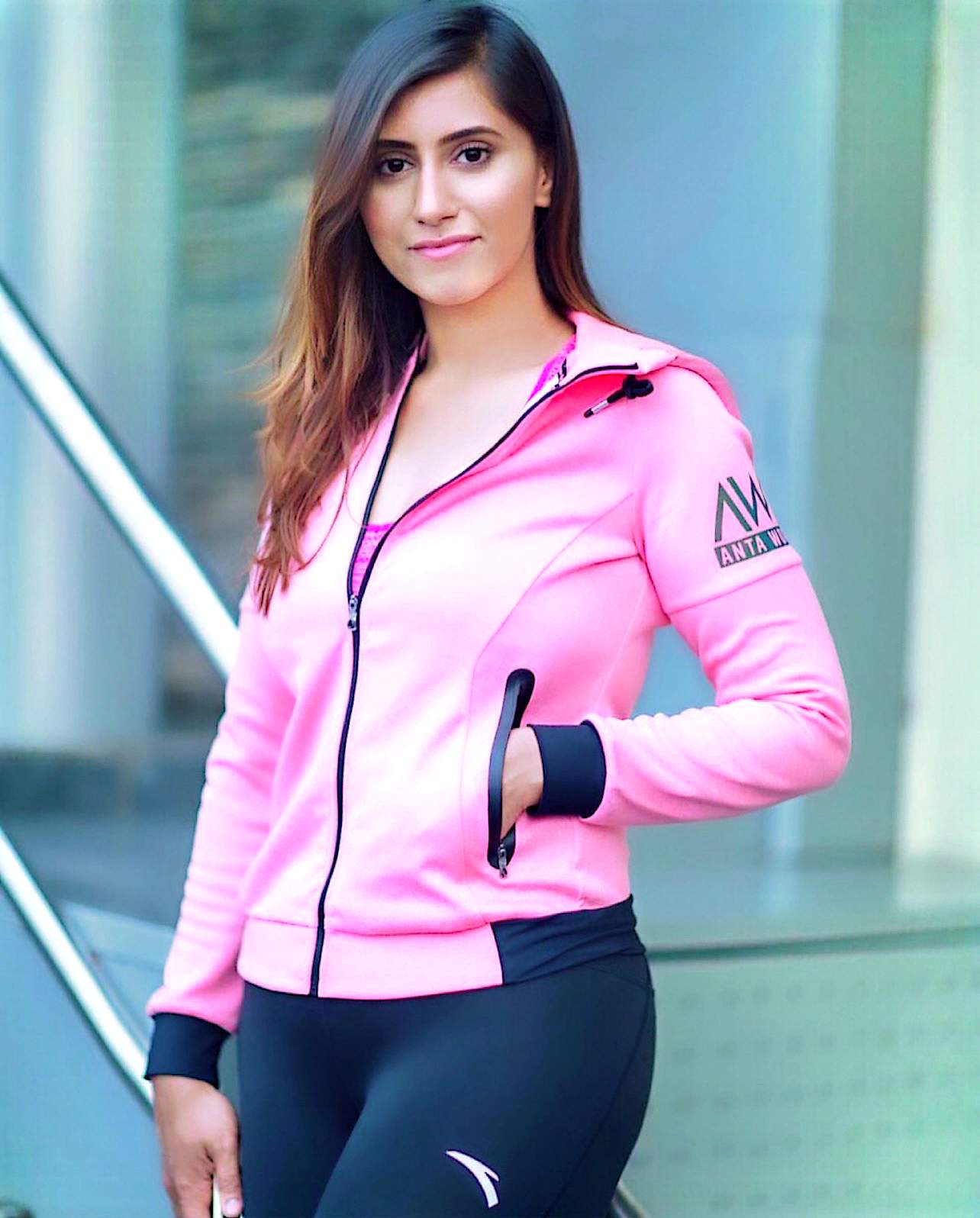
Shabana Khatun is a fitness instructor at Shabana Fitness, with over a decade of experience, guiding women through their health journeys. She expresses how witnessing women become physically and mentally strong has become the most rewarding part of her career.
Khatun discusses common PMOS myths and shares practical exercise advice for everyday lifestyle.
Does PMOS alter the way a woman's body responds to exercise?
PMOS can slow weight loss due to hormonal changes and insulin resistance, but regular exercise helps your body respond better over time.
What are the misunderstandings about fitness and weight loss for women with PMOS?
The biggest myth is that women with PMOS just need to eat less or exercise more. The truth is, PMOS affects hormones, making weight loss slower, but regular strength training, cardio, and a healthy diet can improve hormone levels, insulin sensitivity, and overall health, even before the weight changes I have seen in my clients.
Does the type of PMOS (insulin-resistant, adrenal) change the exercise approach you would recommend?
The basics stay the same for all types of PMOS: strength training, regular movement, and a healthy diet. The intensity and focus may vary from person to person, but exercise benefits every type of PMOS. I usually don’t recommend heavy exercise to everyone, but if someone is doing physical activity for a long time, then they can do different types of exercise 2/3 times a week. I suggest high-intensity exercise mostly because it is helpful.
How should a workout routine change around a woman's menstrual cycle, especially if periods are irregular due to PMOS?
It is very important to listen to your body. On low-energy or heavy-flow days, choose lighter workouts like walking or just stretching. I even say that it’s better if you take a complete rest during that time. On higher energy days, do strength training and more intense workouts. If your periods are irregular, focus on staying consistent rather than training around your cycle. And yes, the right food is the key.
If you are someone who has PMOS, remember that food is one of the most powerful tools to support your hormones. High-protein foods such as eggs, chicken, fish, paneer, tofu, Greek yoghurt, lentils, and beans help keep you full and support stable blood sugar. High-fibre foods such as oats, brown rice, quinoa, whole wheat, vegetables, fruits, beans, and seeds help improve digestion and insulin sensitivity.
What can someone do if they don't have access to a gym?
I get messages from different parts of Nepal and even from other countries from women who don’t have access to a gym. My answer is always the same: start where you are. Walk, jog, climb stairs, buy a few weights for home, and do simple physical workouts. The key is to stay active and stay consistent.
And yes, I highly recommend hiring a professional dietitian, even for a few months. Good guidance can help you understand your body, build healthier habits, and become stronger and healthier.
Fitness instructor Shabana Khatun Photo: Courtesy of Shabana Khatun
What suggestion would you give to women who balance PMOS fitness with physically demanding daily work (farming, household labour)?
Women doing physically demanding work, such as farming or household labour, are already very active, so they don’t always need long gym workouts. My advice is to focus on eating enough protein, staying hydrated, getting good sleep, and adding 2–3 short strength-training sessions a week if possible. Taking care of your body is just as important as working hard. But most women still lack basic knowledge of it. I hope there are more awareness programs for women in the Rural areas.
What is the most common mistake you see women with PMOS make in the gym or at home? What should they do instead?
The biggest mistake is expecting quick weight loss and giving up too soon. That happens to a lot of women.
Many also focus only on cardio and avoid strength training. Which is absolutely wrong. Instead, be consistent, include strength training, eat enough protein, and focus on improving your health, not just the number on the scale.
How long does it take to see hormonal or symptom improvements from regular exercise?
Everyone is different, but many women start feeling more energetic and notice improvements in 8–12 weeks of regular exercise and a healthy diet. The key is patience and consistency.
As a fitness instructor with more than 10 years of experience, I have always believed that working out is one of the greatest forms of self-love. No matter what field you work in, how many hours you work, or how busy and demanding your daily life is, your body deserves movement. Commit to regular workouts, especially strength training for 8–12 weeks, and you’ll not only notice physical changes, but you’ll start loving your workout routine and the way it makes you feel.




 16.87°C Kathmandu