17.66°C Kathmandu
The prime minister must learn to speak in full sentences
Nepal elected a leader, not a commentator. It is time for him to govern like one.
Nepal elected a leader, not a commentator. It is time for him to govern like one.
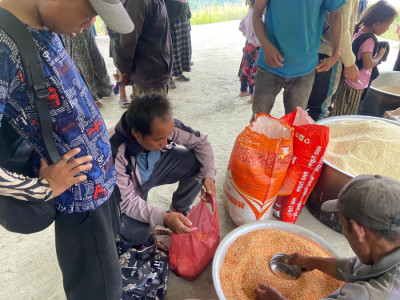
While disasters require immediate rescue and relief, enabling flood survivors to access income opportunities is equally vital.
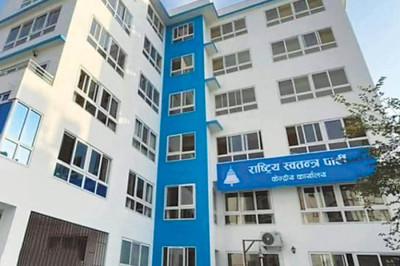
His refusal to accept the party’s leadership transition risks weakening Nepal’s democratic opposition.
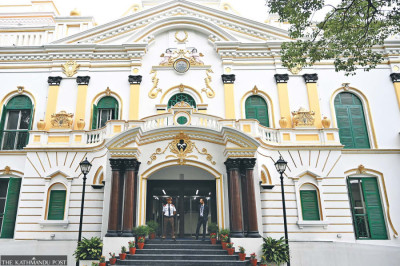
Her decision to rejoin the UML raises questions about political morality and the neutrality expected of the presidency.
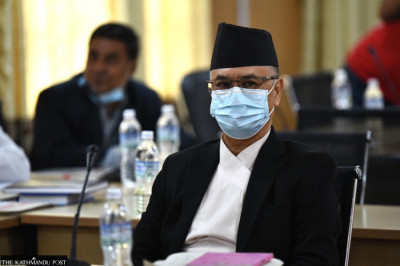
Reluctance to respect the NHRC weakens an institution meant to protect rights and ensure accountability.
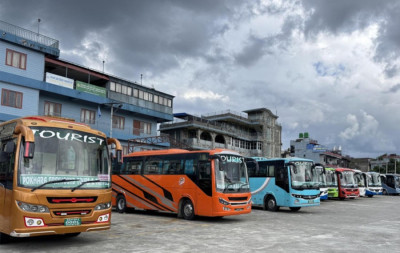
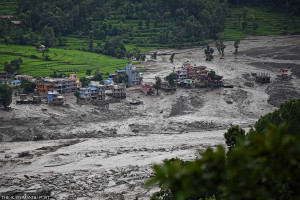
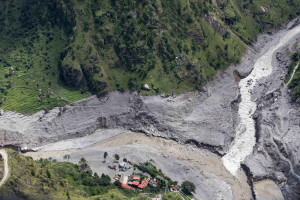
The Bhotekoshi flood has once again reminded us that Nepal needs a resilient tourism system to withstand major shocks.
The state must immediately cease arbitrary detentions and restore strict adherence to due process.
The flight should not lead to complacency among Nepal’s authorities.
The court’s rulings can be questioned, but expecting the judiciary to rule in the government’s favour goes against the principle of separation of powers.
Its expertise, channelled through meaningful consultations, is essential to making better, more coherent laws.
Sound preparation and competent governance can reduce the damage of forecasted heavy rain.
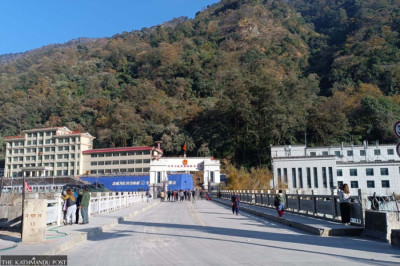
Resuming trade operations through Tatopani would greatly help traders facing heavy financial losses and consumers already weighed down by inflation.
The ruling majority must step back from overreach, learn from past political mistakes, and respect the court.
Families of the missing face legal barriers to relief and property rights. The government must act now.
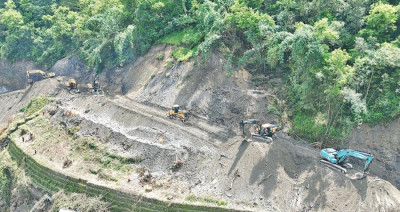
The Prithvi Highway disruption underscores the need for dependable alternative routes.
Proposed changes to the NRB Bill threaten monetary stability and regulatory independence.
Countries certify a battery before it’s sold. Nepal certifies almost nothing. That gap needs fixing.
Authorities should clearly communicate to the public that they will guarantee access to cooking gas.
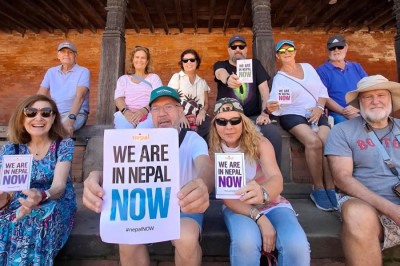
The August 26 floods have disrupted some tourism sites, but most of Nepal’s major destinations remain open.
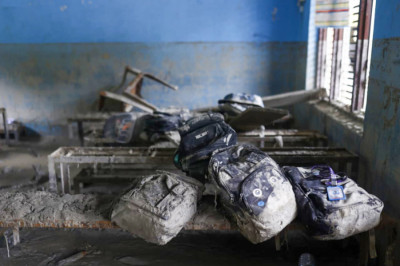
Returning children to classrooms can restore normalcy, but their grief and trauma need equal attention.