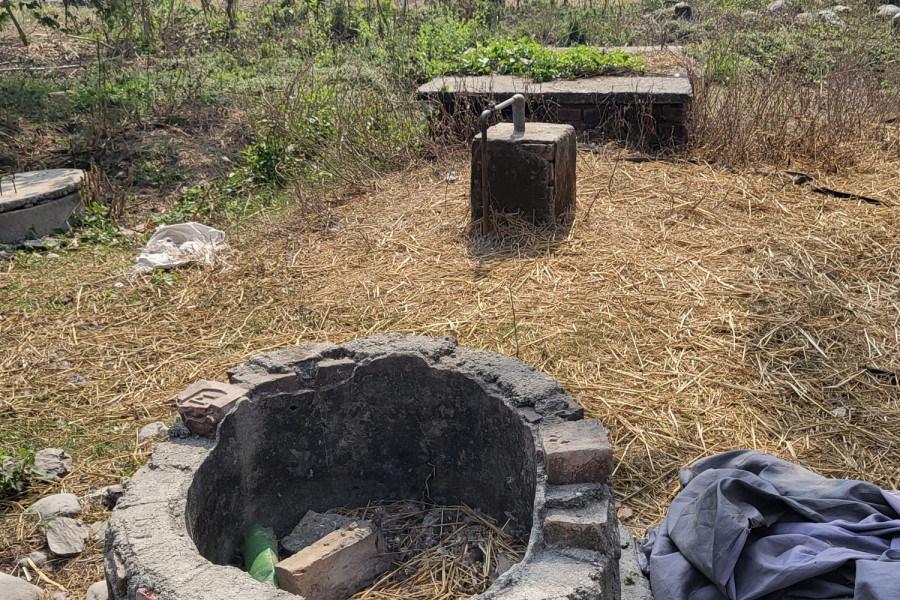
Biogas plants were once quite popular in Nepal’s rural and peri-urban areas. It was common to see a small, circular concrete pit in nearly every household. Families generated biogas (methane) mostly from buffalo, cow and ox manure, as well as from toilet and kitchen waste, and used it for cooking. Given its easy installation, durability and accessibility, successive governments promoted biogas by providing subsidies to nearly 450,000 households over the years in order to encourage clean energy use and discourage fuelwood extraction. However, the technology has lost its allure, with half of the biogas units across the country either stranded or in disrepair.
According to a new study by the Renewable and Sustainable Energy Laboratory at Kathmandu University, shifting rural population, youth migration, lifestyle changes and declining livestock numbers have led to the abandonment of more and more biogas plants. But flawed government policies are just as responsible for the collapse of this once booming clean energy source. Biogas plants were installed in hundreds of thousands of households, yet there was little post-installation monitoring or fixing of technical problems. This in turn increased their failure rates. For instance, the study assessed biogas units in 10 different districts, and 54 percent of them—roughly 1,380—were defunct. Tanahu district fares the worst, with nearly 59 percent of its inspected biogas plants no longer in use.
The continuation of this trend will be a setback for Nepal’s quest to meet its 2045 net-zero target and will also lead to increased use of Liquefied Petroleum Gas and firewood. LPG is costly, with an estimated annual import bill of $5.2 million. Renewed firewood use has resulted in an additional 0.66 million tonnes of carbon dioxide emissions. As the burden of cooking falls disproportionately on women, they are increasingly exposed to toxic smoke coming from firewood. The economic stakes are also high for Nepal: A single plant costs approximately Rs80,000, and if all biogas systems collapse, tens of millions of rupees of investment would have gone to waste.
The study revealed that most defunct plants’ mixers were broken, and that even those that are operating produce an average of only 0.4 cubic metres of gas per day—far below their capacity. But with the right support systems, expert involvement and local technical manpower, the plants can be brought back to life. As Nepal earns handsome sums from carbon credits under the Clean Development Mechanism, some of it can be channelled into the maintenance of biogas plants to support existing users and attract new adopters. More focus on post-installation monitoring and maintenance will also help. Additionally, the country can sustain biogas plants by establishing local ownership through local service networks, where people can support one another and seek technical assistance from governments.
Nepal also needs to get its energy priorities right. On the one hand, policymakers pledge to ensure green energy for all, while on the other, their reliance on fossil fuels and imported LPGs continues to grow. If they cannot devise clear energy strategies and tap the opportunity brought by biogas, countless Nepalis will suffer, both health-wise and economically. Yet by investing to preserve its traditional clean biogas plants, Nepal can also set the right example—at a time when countries around the world are struggling to develop green cooking solutions.




 13.77°C Kathmandu