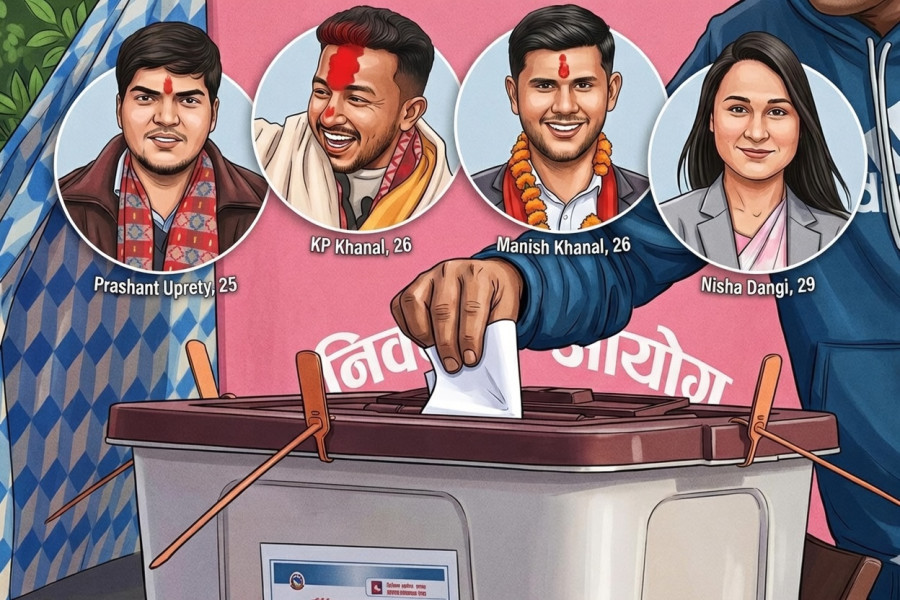
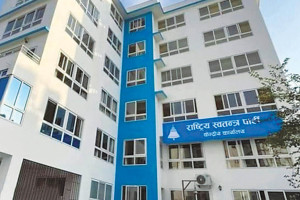
For decades, Nepalis have wanted to see more youthful faces in the country’s political leadership, which had long been dominated by septuagenarians and sexagenarians. The March 5 parliamentary election is set to deliver just that. In the total of 165 constituencies, 61 elected candidates (around 37 percent) are under 40—and there are more to come via the Proportional Representation. This was possible because the Rastriya Swatantra Party (RSP), which won the largest share of the vote, fielded mostly younger folks. Of the 61 candidates, 52 come from the RSP alone, with the Nepali Congress following suit with five victories by young candidates. The CPN-UML has two younger representatives below 40, while the Rastriya Prajatantra Party has one. Such a large share of younger representatives marks a dramatic shift in the age of Nepal’s political leadership—and political culture at large. Most vitally, it narrows down the gap between the median age of the country (26) and people’s representatives.
The old political culture didn’t give space to young people, who constitute 42.5 percent of the country’s population, and revolved around just three politicians in their 70s. Just four years ago, in 2022, only 11 percent of parliamentarians were under 40. There was no room for younger leaders even in parties’ leadership positions. One reason behind the Gen Z protests was the widening dissociation between the leaders and the general public. A cohort of leaders in their 60s and 70s could hardly understand the pleas of the youth. Tellingly, the KP Oli-led government decided to ban international social media platforms, which not just serve as the primary mode of communication of the youth but also facilitate the livelihood of a sizable portion of the population. The victory of younger representatives in this election, thus, also carries the spirit of the September Gen Z protest. It symbolises a democratic renewal for Nepal, with many expecting the younger MPs to focus on youth-centred policies, education, health, digital governance, bureaucratic reform, climate and employment.
This younger leadership can bring the state closer to the youth. The entry of the vanguard figures—ranging from the 36-year-old prime minister hopeful Balendra Shah to the 25-year-old Prashant Upreti, alongside torchbearers of alternative politics like Ranju Neupane—heralds a new epoch where the legislative halls will finally echo the lived aspirations of a young Nepal. This cohort represents a demographic that has long been sidelined, yet they must now navigate a labyrinthine political system that remains largely tethered to archaic institutional practices. While their clean slate offers a refreshing reprieve from the corruption-laden baggage of the old guard, the litmus test lies in their ability to transcend the lure of social media populism in favour of substantive, research-driven legislative reform.
To sustain this democratic momentum, the young lawmakers must ensure that their leadership is not defined just by popular slogans but by a robust framework for reform and priorities. Age, after all, is a secondary metric. It is the integrity, clarity of vision, and intent that will ultimately define their legacy. The March 5 election has shattered the glass ceiling of age. Now, it is up to the young leaders to prove they are the definitive architects of a revitalised, meritocratic nation.




 14.82°C Kathmandu