



 25.92°C Kathmandu
Tue, Oct 27, 2026
Editorial
Phantom scarcity
We are a nation haunted by ghosts of past shortages. Yet there seems to be enough LPG for everyone.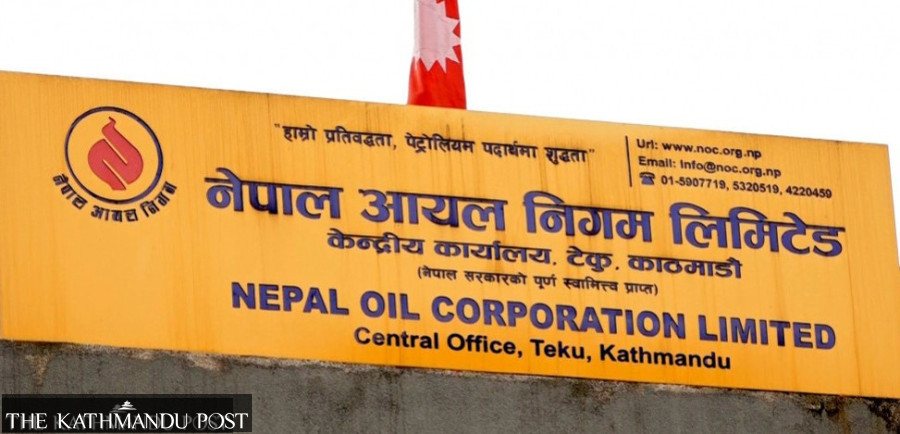
bookmark
Published at : March 12, 2026
Updated at : March 12, 2026 08:00
In the wake of West Asian tensions, a frantic ritual is unfolding across the Valley, and perhaps across the country—a desperate hunt for a cooking gas cylinder. Yet, if one were to look solely at the ledgers of the Nepal Oil Corporation (NOC), the crisis simply does not exist. The statistics are as clear as they are frustrating. While Asian countries like Thailand, Vietnam and Bangladesh scramble with energy-saving measures and fuel rationing, Nepal’s state-owned fuel monopoly insists that its sole supplier, the Indian Oil Corporation (IOC), has guaranteed an uninterrupted flow. In fact, LPG imports were actually 2,000 to 3,000 tonnes above normal last month, with nearly 100 bullets entering the country daily. So why are people from the valley waiting two weeks for a single cylinder?
The answer lies in a systemic failure of trust. The government must immediately step up to bridge the cavernous gap between the public’s panic and the reality of steady imports. It is not enough for NOC officials to sit in comfortable offices in Teku and issue press releases claiming everything is fine. When the public hears of the US and Israeli attacks on Iran, they look at their half-empty cylinders and remember the blockades of the past, not the import spreadsheets. The state must engage in aggressive, transparent communication. The people need more than just assurances. They need a visible, rolling update, preferably online, on stock levels and a clear roadmap for how the Rs20 billion price stabilisation fund will be used to cushion the economy from the fallout of the Gulf conflict.
Further, the supply chain is being choked by those who see opportunity in anxiety. While households struggle, commercial users—the hotels and restaurants that fuel Nepal’s tourism and social lives—have been quietly amassing reserves. The NOC itself admits that commercial hoarding has hit the LPG supply to households. This is a gross failure of oversight. The supply system needs to be amped up, with regular and ruthless monitoring of private businesses that are hoarding cooking gas. It is a mockery of the supply system when commercial users have not complained of shortages, while a mother of three school-going children is told there is no gas available at her local grocery. The authorities must move beyond occasional inspections at depots and start auditing the warehouses of large-scale commercial entities. If household consumption had been prioritised, this artificial shortage would never have taken root.
However, the state and the sector are not the only ones at fault. The general public is complicit in its own suffering. The spectacle of people queuing at the depots is a self-fulfilling prophecy. When we hear a whisper of international tension, our first instinct is to hoard, to grab a second or third cylinder ‘just in case’, effectively robbing our neighbour of their first. This ‘me-first’ mentality creates the very scarcity we fear. Each individual must take the initiative to stop panicking over West Asia tensions and stop hoarding gas. The general public needs to rediscover, especially in the wake of a changing national political landscape, a sense of civic duty: Just buy what you need.
We are a nation haunted by the ghosts of past shortages. But we are currently well-stocked. The NOC claims to have enough fuel to meet demand for 10 days even if imports are stopped completely. It is time to stop the fretting and start the fixing. The gas is there; it is time for the government to ensure it reaches the stoves of the people who need it.


Most Read from Editorial


Editor's Picks

What to know about the US trial over Mamta Kafle’s disappearance
NPL returns with bigger ambitions and global recognition
What’s new in the Nepal Premier League’s third season?
After Nepal’s recent disaster, it wants to test whether COP31 can deliver climate justice

Why does an hour long flight to Dhangadhi cost more than a flight to New Delhi?
E-PAPER | October 27, 2026

×