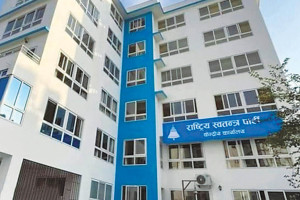
The March 5 election was an emphatic endorsement of the Rastriya Swatantra Party (RSP) and of the country’s leadership for the next five years under its senior leader, Balendra Shah. Yet doubts are still being expressed in some quarters, including inside the RSP, about his suitability for the top job. Any attempt now to conspire against him becoming the prime minister or to prevent him from serving out a full term as the executive head would be a betrayal of the electorate. It would also undermine the spirit of the Gen Z revolt that unanimously chose Shah as its leader. This is why we hope the RSP will use its overwhelming mandate to form a Shah-led government, and the party rank and file will unconditionally back him for the entirety of the term. Nepalis have had enough of governments coming and going every few years, with all the accompanying costs the country has to bear in the process.
The current mandate in favour of the RSP is unprecedented. It is a mandate that says: Enough of the old political forces, their old leaders and the seemingly never-ending game of musical chairs they perpetuated. It is in favour of a generational change, not just in politics, but in every state organ. It is a mandate for the swift prosecution of those involved in suppressing the Gen Z uprising and for bringing justice to the bereaved families. It is a mandate in favour of clean, effective and hassle-free governance—all among the RSP’s electoral agendas. And it is also a mandate for political stability.
Perhaps the most heartening message of the March 5 election is that it has unified Nepal, with the whole country unanimously endorsing the leadership of a young prime ministerial aspirant. Coming to power on the back of such an overwhelming mandate, Shah will have a favourable climate to govern, both in and outside the country. Yet his biggest challenge could come from inside his party. It would be a tragedy if the RSP cannot manage its internal politics and suffers the fate of the former Nepali Communist Party (NCP). Its near two-thirds government collapsed in 2021 largely owing to the ego-tussle between its two main leaders: KP Sharma Oli and Pushpa Kamal Dahal. This kind of self-serving politics also increased people’s scepticism towards the whole political class, even undermining their belief in the democratic process.
We hope the RSP rank and file will not commit similar hara-kiri. They will have to guard against it jealously. As RSP chair Rabi Lamichhane has himself said, following his election victory from Chitwan-2, if the party breaks its promise to the people, it could meet with a fate worse than that which befell the old major parties in this election. People want Shah to rule for the next five years, and they will evaluate RSP based on the performance of the party’s projected prime minister candidate. In the end, many congratulations to Shah, Lamichhane and the RSP on what has been a resounding endorsement of their vision for the country. Like the rest of the Nepali people, we are eager to see how you use this mandate for the public good.




 14.81°C Kathmandu