After a prolonged period of uncertainty, the historic election following the Gen Z uprising is finally here. When the interim Sushila Karki government announced the snap polls six months ago, dark clouds of doubt hovered over the March 5 election. The established parties were threatening to boycott it as the new government had supposedly not done enough to take them into confidence. Beaten and bruised, Nepal Police was demoralised after the uprising. Their weapons had been looted and were unaccounted for. Thousands of criminals who had escaped prisons were on the loose. Moreover, various groups were threatening to actively disrupt elections. Yet the Karki government did not deviate from its single-minded pursuit of holding timely polls and passing over the state’s reins to an elected government. It reached out to the old parties and gained their confidence. Most of the looted weapons were recaptured and the morale of the police force steadily rebuilt. People from all walks of life heartily backed the government’s bid to bring the country back on the political and constitutional track. The international community, including Nepal’s two immediate neighbours, too, was adamant that there was no alternative to timely polls.
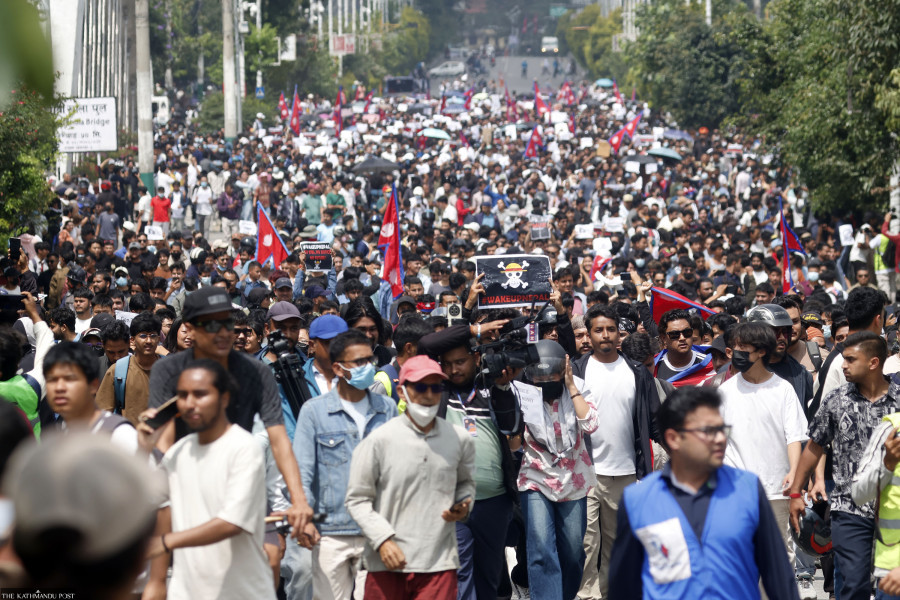
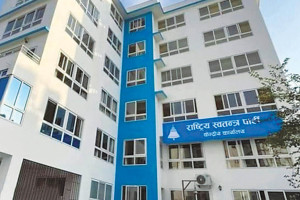
So we have arrived at this joyous day. The overwhelming demand of the Gen Z uprising was for a change—a change in the old way of doing politics and a change in the cast of characters leading the country. Why was a country with a median age of 26 being ruled by a political class that was on average double the median age, the protestors rightly asked. Why were the same three oldish leaders taking turns to lead the government, not for years but for decades? And why were corruption and nepotism so entrenched? The uprising in early September upended the country’s politics. The tone-deaf government of KP Oli was removed from office. After that, the largest party in the erstwhile parliament, Nepali Congress, changed its leader. The second biggest party, UML, had to hold a general convention to pick new leadership. The third biggest, the CPN (Maoist Centre), disappeared from the scene. And now, with the entry of Balendra Shah, the Rastriya Swatantra Party (RSP) is reinvigorated.
There are thus enough reasons for Nepalis to come out and vote and cement the recent changes through the ballot box, to lay the foundation for the new Nepal they would like to build. Adding colour to this year’s election will be the nearly million-strong first-time voters who have been inspired by the September uprising. Nepalis have this abiding faith in the democratic process, and just when national politics threatens to get off the rails, the people put it right back. This was evident during the 2008 Constituent Assembly elections held to mainstream the warring Maoists, as it was during the promulgation of the new constitution in 2015 amid the uncertainty unleashed by the devastating earthquakes earlier that year. It is with this sense of agency that up to 19 million people will vote today. In the process, they will once again show that however turbulent the journey, Nepal’s political future will be shaped not by fear or force, but by the unshakable democratic conscience of its people.




 14.82°C Kathmandu