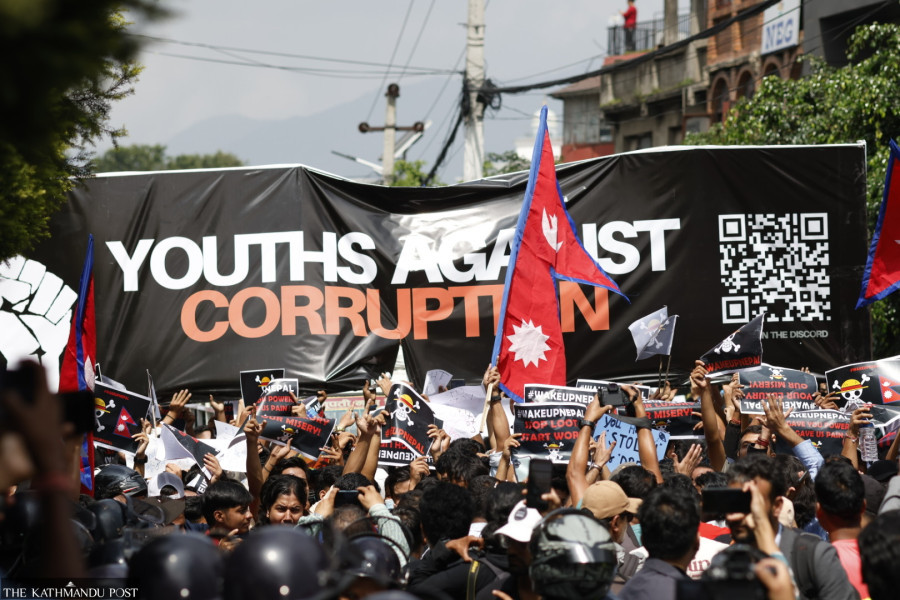
It’s been 100 days since the Gen Z protests erupted in Nepal on September 8, with the national parliament in Kathmandu as its epicentre. In this period of over three months, there have been some major changes in Nepal’s political sphere, while a few important achievements have been made. First, in just two days, the youth revolt overthrew the KP Oli government, a powerful coalition given its numerical strength in Parliament, and replaced it with the interim government under the leadership of former chief justice Sushila Karki. In the process, the movement succeeded in galvanising public anger against corruption, bad governance, favouritism, and impunity.
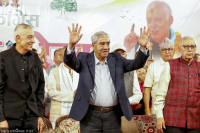
The signing of the 10-point agreement between the government and leading Gen Z groups on December 10 is probably the second-most important achievement of this youth uprising. As the deal has recognised the youth uprising as a ‘people’s movement’, it will be etched as an important landmark in Nepal’s political history. Not only in the country. Nepal’s Gen Z revolt has been appreciated abroad as well. Between the start of 2024 and November 2025, there were such protests also in Bangladesh, Mexico, Morocco, Peru, Serbia, Kenya, Madagascar, Indonesia, the Phillipines, and Timor Leste. A report published by the US Council on Foreign Relations describes the uprising in Nepal and Bangladesh as successful ones because “they successfully overturned an existing political order”. However, sustaining the movement and institutionalising its achievements have not been easy anywhere. As the report notes, “In these cases, experts warn that the challenge now will be implementing sustainable long-term reform.”
At this crucial juncture, the Gen Z groups in Nepal need to realise that they have to set priorities. The 10-point deal has tried to include everything from ensuring good governance, investigating and punishing the corrupt, nationalising their property, electoral reforms, changing the system of governance through constitutional amendments, establishing several powerful bodies—and what not. Nepali experts in the drafting and implementation of such documents fear some points included in the deal might be challenged in the court. For instance, the proposal to set up an anti-corruption agency in parallel to the Commission for Investigation of Abuse of Authority might be legally dicey (and a reminder of the failed anti-graft body once formed by former king Gyanendra).
Historically, in Nepal, be it while reinstating multi-party democracy in 1990, establishing federal republic in 2008 or promulgating the constitution in 2015, Nepal’s political forces have failed to institutionalise the gains of these political movements. The reason? Failure to agree on common grounds. The demise of the first Constituent Assembly is a case in point. The constitution making process was deadlocked for years. The statute could be promulgated only after the stakeholders reached an understanding that while they could agree on certain things, the other agendas will be settled through future elections. In other words, they agreed to disagree and trusted the democratic process to sort out other outstanding issues.
Likewise, the new 10-point deal can be implemented only if all sides show flexibility and pragmatism—while not compromising on its spirit. For instance, the Gen Zers’ priority right now should be to prioritise the implementable points, push to implement other points gradually and also broaden the acceptability of the 10-point deal among other political forces and stakeholders. Otherwise, there is no shortage in the country of wonderful deals on paper—on everything from compensating sugarcane farmers to finding long-term solutions to Kathmandu’s waste problem—that have been devilishly difficult to implement.




 15.26°C Kathmandu