The youth uprising in September has significantly altered Nepal’s political calendar. The House of Representatives elections, expected for November-December 2027, have been brought forward by nearly two years and are now set for March 5.
As voting day approaches, the mood on the ground feels markedly different from that in previous elections. In past campaigns, candidates would visit households, present their agendas and seek voters’ support. This time, however, the dynamic has shifted.
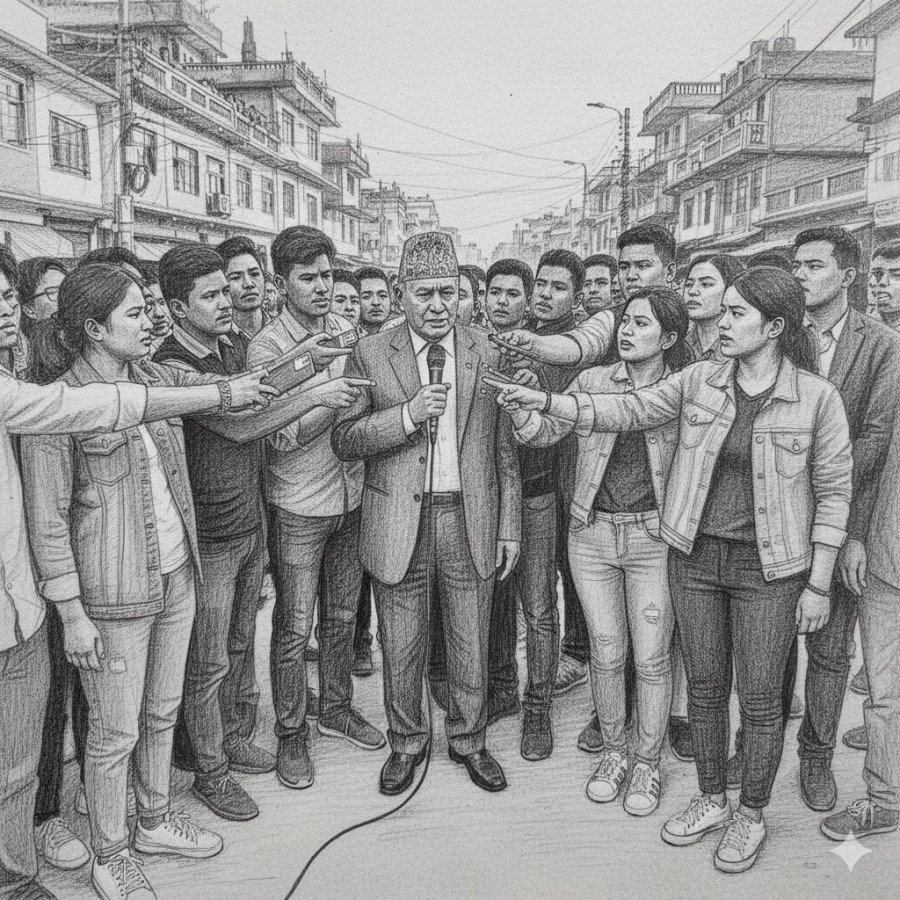
Across many constituencies, leaders going door to door are finding themselves less in the role of speakers and more in the role of respondents, confronted with pointed questions from voters. The electorate appears more assertive and demanding, pressing politicians for clear answers and accountability rather than passively listening to campaign rhetoric.
Voters are especially putting former representatives of their constituencies on the spot. They are asking questions such as: What have you actually done so far? Why hasn’t this been achieved? If you win again, what exactly will you do differently? Why are the roads, water supply, and health posts, among other things, in the same condition?
New candidates are not spared either, challenged with questions such as: Why should we vote for you? What are your policies, and what will you deliver if elected?
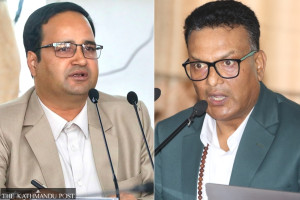
Contesting the House of Representatives election from Gulmi-2, Congress leader Chandra Kanta Bhandari says the September Gen Z uprising has given them a new kind of voters to engage with, ones who are unafraid to question.
He adds that every movement in Nepal has, in one way or another, delivered something important to the society. “This latest youth-led uprising has expanded the ranks of citizens who feel empowered to ask questions,” he said. “Voters are no longer content to listen quietly. They want explanations, clarity, and accountability.”
For Bhandari, the change is tangible—a sign that political awareness is deepening and that public expectations are evolving alongside it.
“While the number of citizens willing to ask questions has clearly grown, not all candidates appear equally prepared to face them,” Bhandari told the Post. “Some, instead of engaging with voters’ concerns, have chosen to sidestep or avoid difficult conversations altogether.”
Some leaders, it seems, have been visibly unsettled by the intensity of public questioning, Bhandari says.
Addressing the declaration programme of the Koshi National Volunteers Force, organised by the CPN-UML in Damak on Monday, party chair KP Sharma Oli said they had had to confront pointed questions from citizens, even while standing on blacktopped roads built during their tenure.
Oli said they are being asked what they have actually achieved so far.
“The thatched school beside your home has been turned into a building that looks like a palace,” Oli said. “Still, they ask, ‘What has been done?’ Electricity is shining brightly in homes, yet they say, ‘So what?’ There is a separate tap in the toilet for bathing and washing hands, and still they ask, ‘What has happened?’”
It is not only Oli who has been facing such scrutiny. In Chitwan–2, the chair of the Rastriya Swatantra Party (RSP), Rabi Lamichhane, has been confronted with similarly tough questions from voters about his cooperative scam to secure his release from jail during the second day of the Gen Z protest. So too has the senior leader of RSP, Balendra Shah, who is contesting against Oli in Jhapa-5.
The wave of questioning has spared few. From Gagan Thapa, president of the Nepali Congress, to leaders across the political spectrum, many have found themselves under pressure from an increasingly assertive electorate.
Several videos circulating on social media even show candidates struggling to respond to voters’ questions—in some cases, leaving without asking for votes at all. The scenes suggest a notable shift in campaign culture, with public accountability taking centre stage.
For political observers, public questioning of the leaders is no small shift. It signals a more awakened and assertive electorate. In a democracy, casting a vote is not the only civic duty; asking questions is just as important. The questions raised before the ballot is cast ultimately help determine the direction of governance tomorrow, they say.
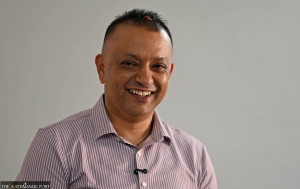
Political analyst Keshav Dahal argues that leaders must be accountable to the people. When citizens question their representatives, he says, it invigorates democracy, a development he views as both healthy and necessary.
In this election, however, some leaders appear keen to manage or deflect difficult questions. In certain instances, figures from the RSP have responded with remarks suggesting that no single group holds a monopoly over the right to question, an answer that, to some, sounds more like a rebuttal than a direct engagement.
“At the citizen’s level, though, there is a noticeable shift in awareness,” Dahal said. “Many voters now seem to believe that casting a ballot alone is not enough; questioning the person they choose to support is equally important… The growing conviction that a vote must be accompanied by scrutiny suggests a maturing democratic culture.”
But when citizens ask sharper, more frequent questions, how responsibly are the leaders responding?
According to political analyst Dahal, many politicians appear unsettled precisely because this is the first time they are facing such direct and persistent questions from voters. In his view, the discomfort is visible; leaders seem irritated, even rattled, by the shift in tone.
From Oli to Lamichhane and Balen, prominent figures across the spectrum are encountering pointed questions on the campaign trail. Dahal suggests that the RSP, a party that itself faces numerous public queries, appears at times to be attempting to manage or even contain the questioning. In some instances, its leaders seem to go so far as to dismiss those raising concerns.
“Yet despite this tension, one thing is clear: voters have not stopped asking questions,” Dahal said. “If anything, their persistence indicates that a new political culture is taking root—one in which accountability is demanded, not politely requested.”




 14.82°C Kathmandu