



 17.57°C Kathmandu
Sun, Oct 18, 2026
Money
Nepal moves to defer LDC graduation until 2029
The government cites geopolitical tensions, weak economic recovery, implementation delays and risks to jobs and exports as reasons for postponing Nepal’s planned graduation from Least Developed Country status.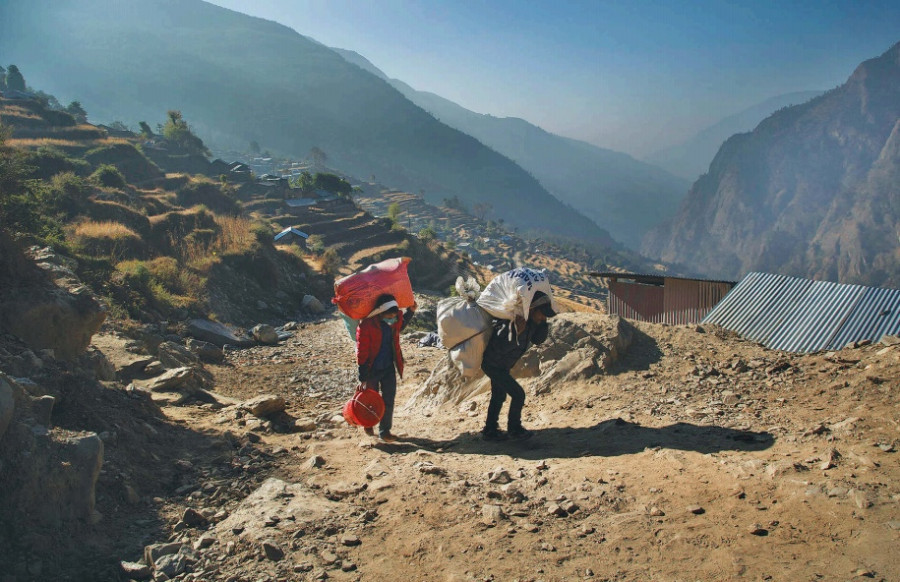
bookmark
Post Report
Published at : May 22, 2026
Updated at : May 22, 2026 17:51
Kathmandu
Nepal has formally initiated the process to defer its planned graduation from the category of Least Developed Countries (LDCs), pushing the timeline from November 24, 2026, to November 2029, the Ministry of Foreign Affairs said on Friday.
Speaking at a regular press briefing, ministry spokesperson Lok Bahadur Poudel Chhetri said the government had written to the chair of the United Nations Committee for Development Policy (CDP) on May 13 seeking postponement of the graduation process.
According to Chhetri, the decision was taken in view of changing national and international economic and political circumstances, including geopolitical tensions, disruptions in global supply chains and their impact on remittance inflows.
The World Bank has projected Nepal’s economic growth at 2.3 percent in 2026.
According to the ministry officials, Nepal had cited five key factors as the basis for seeking the deferral.
Nepal is concerned that graduation from LDC status would result in the loss of existing international support measures, including Duty-Free and Quota-Free (DFQF) market access facilities currently available to Nepali exports.
Studies have projected that employment in productive sectors could decline by as much as 35 percent after graduation if adequate transition measures are not put in place.
Implementation of Nepal’s Smooth Transition Strategy (STS) has also progressed more slowly than expected due to various constraints.
Nepal has further noted that the lingering effects of the Covid-19 pandemic, geopolitical tensions and climate change-related impacts have created additional pressure on the recovering economy.
Chhetri said the latest developments in the Middle East had affected remittance inflows, one of Nepal’s main sources of foreign exchange earnings, while rising prices of fuel, food and fertilisers had affected tourism and the broader economy.
Government officials and private sector representatives have in recent months argued that Nepal lacks adequate economic preparedness, trade readiness and institutional capacity to graduate from LDC status in 2026.
The government considered the fact that economists and industry representatives have also warned that sectors such as garments, pashmina and carpets could face higher tariffs and stricter rules of origin in export markets after graduation, potentially affecting thousands of jobs, an official at the ministry said.
Nepal first met the criteria for graduation in 2015 and continued to qualify in subsequent UN reviews conducted in 2018, 2021 and 2024. The country had previously postponed graduation following the 2015 earthquake and the Covid-19 pandemic.


Most Read from Money
Nepal travel agents threaten to stop selling Thailand trips over visa rules

Explained: Why does an hour long flight to Dhangadhi cost more than a flight to New Delhi?
Malaysia rejects Nepal’s demand to open recruitment to all manpower agencies
No school, but a graduation cap for women dairy farmers
Nepal arrests four medical service providers as Malaysia recruitment row deepens
Editor's Picks

Dashain is in the air
Buying a goat for Dashain? Look for the green mark
Explained: Why does an hour long flight to Dhangadhi cost more than a flight to New Delhi?

Bhotekoshi flood wasn’t a freak event. It’s the Himalaya doing what it does

How Tenzing Sherpa became Nepal’s breakout star at the Asian Games
E-PAPER | October 18, 2026

×