Indian tourists return to Nepal in record numbers as new travel trends reshape the market
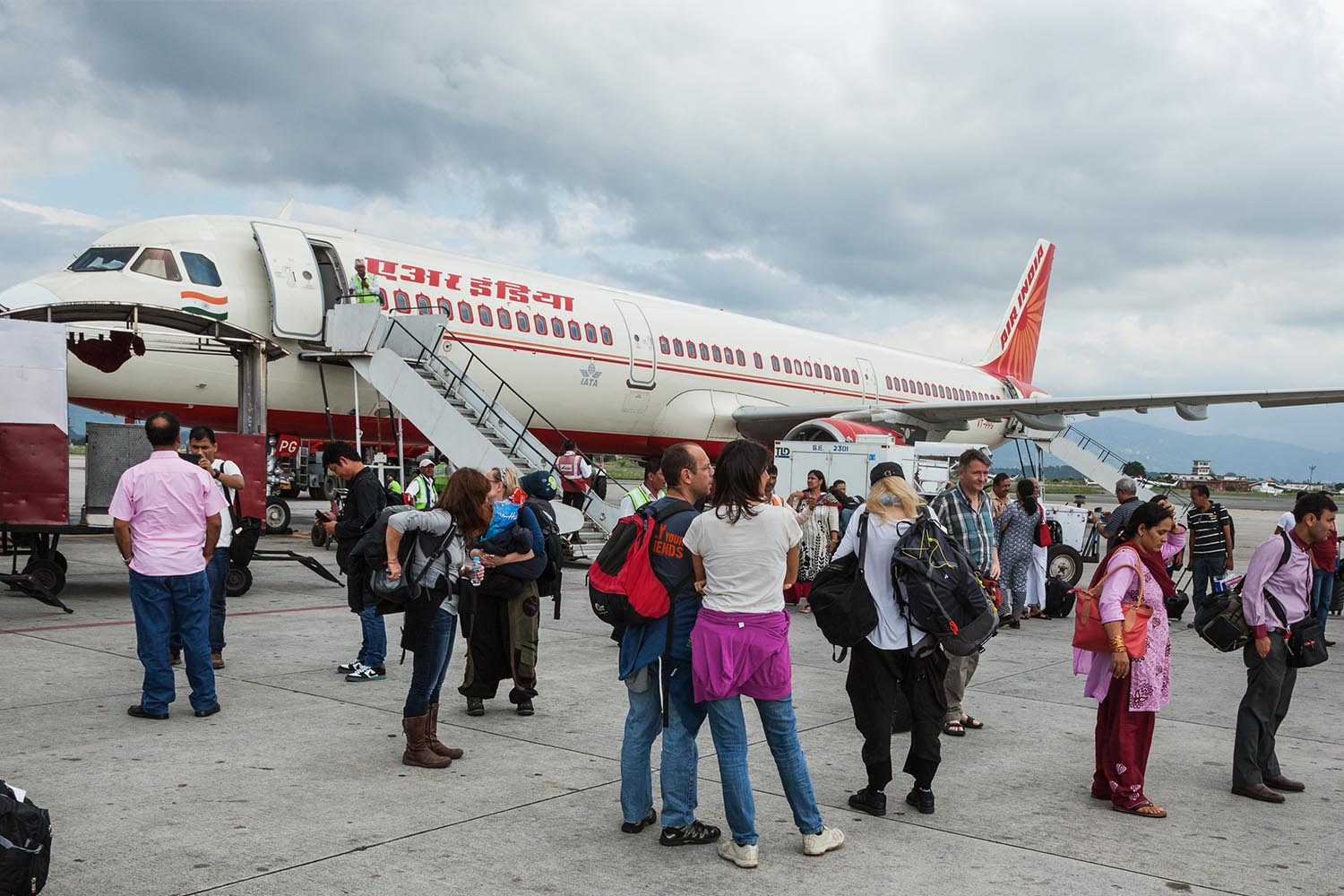
Visa-free access, easier payments, the revival of the Kailash Manasarovar pilgrimage and affordable airfares are drawing Indian travellers back to Nepal. More than 30 million Indians travel abroad annually, and the value of the country's outbound travel market is projected to nearly triple over the next decade. Post File Photo
After several years of fluctuations caused by political tensions, natural disasters, air crashes and soaring airfares, Indian tourists are returning to Nepal in record numbers, offering fresh optimism to a tourism industry still striving to regain momentum.
In May, Nepal received 40,782 Indian visitors through air routes, the highest monthly number ever recorded, according to the Nepal Tourism Board. The figure marks a 32.66 percent increase over the same month last year and signals a clear turnaround in Nepal's largest tourism source market.
The surge comes as India emerges as one of the world's fastest-growing outbound tourism markets. More than 30 million Indians travel abroad annually, and the value of the country's outbound travel market is projected to nearly triple over the next decade. Tourism entrepreneurs and policymakers in Nepal believe even a small increase in Nepal's share of this expanding market could generate substantial economic benefits.
Industry insiders attribute the recent rise in arrivals to a combination of policy changes, improved connectivity, and shifting travel preferences among Indian tourists.
One major factor has been Indian Prime Minister Narendra Modi's appeal in May urging citizens to reduce discretionary overseas spending and weddings abroad to help curb foreign currency outflows.
At the same time, Nepal has become increasingly convenient for Indian travellers. The government lifted its decade-long ban on high-denomination Indian currency notes in January, while digital payment systems and QR-code transactions are now widely accepted across the country.
Tourism officials say these developments have made Nepal one of the most convenient foreign destinations for Indians to visit.
Another major driver is the revival of the Kailash Manasarovar pilgrimage through Nepal. Following an improvement in relations between New Delhi and Beijing, the pilgrimage resumed last year after a five-year suspension.
This year, China has set a quota of 24,000 Indian pilgrims travelling to Kailash Manasarovar through Nepal, up from 20,000 last year. Demand, however, has already exceeded 40,000.
Basu Adhikari, managing director of Touch Kailash Travel and Treks, said inquiries have been rising rapidly as devotees seek to undertake the pilgrimage during the Chinese Year of the Horse, regarded as especially auspicious in Tibetan Buddhist tradition.
Pilgrims believe completing one kora around Mount Kailash during the Horse Year carries spiritual merit equivalent to more than a dozen circumambulations in ordinary years.
"We have requested Chinese authorities to increase the quota by another 15,000 pilgrims and the response has been encouraging," Adhikari said.
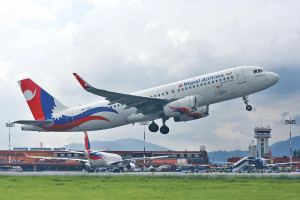
Another factor behind the rise in Indian arrivals is the relatively affordable airfares between major Indian cities and Kathmandu.
Tour operators say flights from New Delhi to Kathmandu are currently available for around Rs15,000, making Nepal competitive compared to many international destinations despite rising aviation fuel prices.
Mani Raj Lamichhane, director of the Nepal Tourism Board, said Nepal offers a unique combination of convenience and affordability.
"Nepal has become attractive because Indian travellers do not need visas, Indian currency and QR payments are accepted in many places, and visitors can even bring their own vehicles," Lamichhane said.
Tour operators say flights from New Delhi to Kathmandu are currently available for around Rs15,000, making Nepal competitive compared to many international destinations despite rising aviation fuel prices. Shutterstock
Enhanced air connectivity from New Delhi, Mumbai, Kolkata and Bengaluru has further expanded Nepal's reach among India's growing middle class.
The timing has also worked in Nepal's favour. Summer vacations in Indian schools typically run from mid-May to late June, prompting families to seek holiday destinations that are nearby, affordable and easy to access.
Nepal is now trying to build on this momentum.
In a first-of-its-kind initiative, Nepal's Embassy in New Delhi recently invited Indian vloggers, YouTubers, podcasters and digital content creators on a familiarisation trip aimed at promoting Nepal's tourism destinations.
Five influencers will be selected to visit Kathmandu, Pokhara and Chitwan, where they will experience and showcase Nepal's tourism offerings through digital content targeted at millions of Indian followers.
Tourism officials believe social media promotion could significantly influence travel decisions among younger Indian travellers, who increasingly rely on digital creators rather than traditional advertising.
The effort reflects a broader recognition that India's tourism market is changing rapidly.
According to hotelier Yogendra Shakya, Indian visitors have undergone a remarkable transformation over the past few decades.
In the 1970s, 1980s and early 1990s, Indians primarily travelled to Nepal for shopping, attracted by imported consumer goods unavailable in India at the time.
Later, casinos became a major attraction, particularly after political stability improved in Nepal in the 2010s.
Today's Indian tourists, however, are increasingly drawn by adventure, nature and pilgrimage.
"The younger generation wants experiences," Shakya said. "They travel on motorcycles, go trekking and visit destinations such as Everest Base Camp and Annapurna Base Camp."
Hotels in Pokhara, Chitwan, Bhairahawa and Mustang have reported growing numbers of Indian guests, reflecting a diversification of tourism beyond Kathmandu.
Despite the positive trend, stakeholders caution that Nepal still captures only a tiny fraction of India's vast outbound travel market.
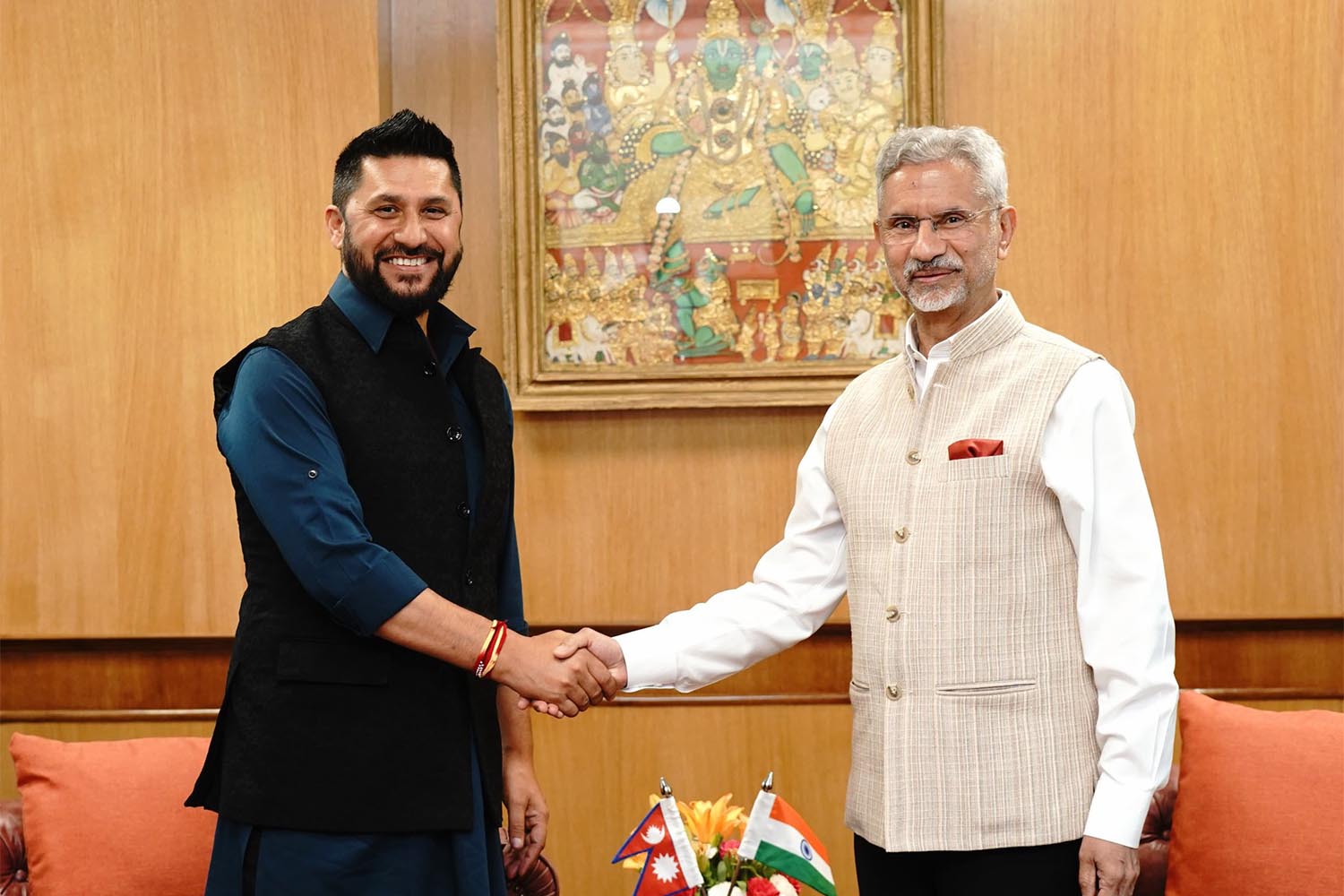
Rastriya Swatantra Party chair Rabi Lamichhane (left) with Indian External Affairs Minister S Jaishankar in New Delhi on Tuesday. Photo: Courtesy of S Jaishankar/X
Past incidents have repeatedly disrupted growth. The 2023 bus accident in the Marsyangdi River that killed 27 Indian tourists raised safety concerns, while a series of aviation accidents over recent years damaged Nepal's international image.
Airfares have also remained a challenge. During periods of airport construction and operational restrictions at Tribhuvan International Airport, ticket prices surged dramatically, discouraging potential visitors.
At one point, a one-way Kathmandu-Delhi ticket exceeded Rs80,000, forcing many travellers to cancel or postpone their trips.
Political unrest has also had an impact. Tourism operators say demonstrations and uncertainty in recent years affected visitor confidence, particularly among Indian travellers.
India's expanding middle class, rising disposable incomes, and growing appetite for international travel present a rare opportunity for Nepal.
"If Nepal is marketed properly, even attracting a small fraction of India's middle class would transform our tourism industry," Shakya said.
Stakeholders also point that improving political and diplomatic relations between Nepal and India could help improve travel flows.
On Tuesday, Rastriya Swatantra Party chairman Rabi Lamichhane published an opinion article in the Hindustan Times arguing that Nepal and India should move beyond traditional geopolitical sensitivities and embrace what he described as "development diplomacy".
In the article, titled "How can an aspirational Nepal and a rising India reconnect?", Lamichhane highlighted the shared tourism potential of the two countries and called for greater connectivity and cooperation.
"From Himalayan peaks to the sacred circuits of Janakpur, Lumbini, and Bodhgaya, our tourism potential is interdependent. We must build tourism circuits that allow global tourists to experience our shared heritage without administrative hurdles," he wrote.
Lamichhane also linked deeper economic integration with tourism growth, pointing to the proposed railway connection between Nepal and India.
"While India is on track to become a global leader in metro rail expansion, laying nearly 15 kilometres of railway track per day, the proposed Raxaul-Kathmandu railway line is less than 150 kilometres. The day those 150 kilometres of track are connected, it will revolutionise trade, tourism, logistics and regional connectivity between us," he wrote.
Tourism entrepreneurs say such discussions reflect a broader sense of political normalcy and growing confidence in Nepal-India relations, helping create a favourable environment for travel and investment between the two neighbours.
For now, record arrivals suggest that Indian travellers are once again looking north toward Nepal.
“The challenge for policymakers and tourism businesses will be converting this renewed interest into sustained growth and ensuring that Nepal secures a larger place in one of the world's fastest-growing travel markets,” said Shakya.
Sangam Prasain is Business Editor at The Kathmandu Post, covering tourism, agriculture, mountaineering, aviation, infrastructure and other economic affairs. He joined The Kathmandu Post in October 2009.




 24.95°C Kathmandu