People from 11 high JE-burden districts to be vaccinated
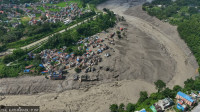
Chitwan, Kailali, Tanahun, Dang, Jhapa, Kapilvastu, Morang, Rupendehi, Sunsari, Rautahat and Sarlahi are among the worst-affected districts. Post File Photo
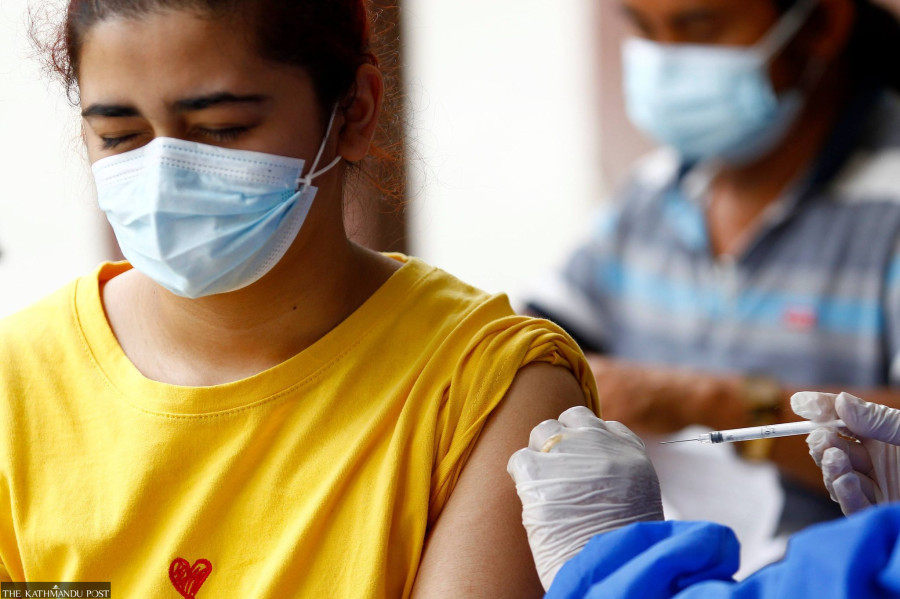
All people residing in 11 districts highly affected by the spread of the Japanese encephalitis (JE) virus will be vaccinated in the upcoming fiscal year.
Though immunisation experts had recommended vaccinating the entire at-risk population that has not yet received the vaccine, the government has decided to cover only 11 districts with high JE burden due to funding constraints, officials say.
“We have succeeded in convincing officials to allocate funds for vaccination in 11 districts, which have high disease burden,” said Dr Abhiyan Gautam, chief of the Immunisation Section at the Family Welfare Division under the Department of Health Services. “Something is better than nothing. Experts have recommended immunising the entire unvaccinated population.”
JE is a viral brain infection, endemic to Asia and parts of the Western Pacific. It is a mosquito-borne flavivirus belonging to the same family as dengue, Zika, yellow fever, and West Nile viruses. The virus kills a third of those who fall ill and leaves up to half of those who survive with severe lifelong disabilities, according to the World Health Organisation.
Complications from JE could cause permanent injuries to the brain and the nervous system. As there is no specific cure, treatment focuses on managing symptoms.
In 2025, as many as 41 people died, and 141 others were infected by the deadly virus that had spread in over 117 local units of over 45 districts. Both deaths and infections are at their highest levels in recent years, a trend immunisation experts describe as alarming and requiring immediate intervention. JE is the leading cause of death among vector-borne diseases in Nepal.
An outbreak began in the third week of June last year in eastern Nepal and gradually spread westwards. Half of the districts reporting JE cases are hill districts.
In 2024, twenty-three people succumbed to JE, including one in Kathmandu Valley, and over 80 people were infected.
Immunisation experts, as well as experts from the National Immunisation Advisory Committee, have recommended that the entire unvaccinated population receive a single dose of the JE vaccine, as they remain at high risk of infection, severe illness, and death.
“We have recommended inoculating the entire unvaccinated population against JE,” said Dr Ramesh Kanta Adhikari, chair of the National Immunisation Advisory Committee, an independent, multidisciplinary advisory group of experts that provides evidence-based guidance on immunisation policies. “The 11 districts having high disease burden and high mortality rate might have been chosen first, as launching vaccination nationwide costs a huge amount of money.”
Officials say Chitwan, Kailali, Tanahun, Dang, Jhapa, Kapilvastu, Morang, Rupendehi, Sunsari, Rautahat and Sarlahi are the districts most likely to be selected for vaccination, as these districts have recorded the highest morbidity and mortality rates. The government has allocated Rs460 million budget for the vaccination programme.
Health officials say that the majority—76 percent—of JE-related deaths occurred in people over 40. Around 70 percent of the infected persons are those above 15 years. The government has integrated the JE vaccine in the routine immunisation list since 2015.
Of the total cases reported last year, Lumbini province recorded at least 11 deaths and 55 infections; Gandaki province saw eight deaths and 34 infections; Bagmati province reported eight deaths and 24 infections; Koshi province witnessed five deaths and 24 infections; and Karnali saw one death and eight infections.
No JE cases were reported in Sudurpaschim province in 2025.
As most tests are carried out in hospitals, where patients often seek treatment after becoming seriously ill, the reported cases likely may not reflect the full extent of infections, officials say.
In 2005, JE killed nearly 2,000 people in Nepal, mostly children in Tarai districts. Nepal started administering the vaccine in 2006, eight years before the World Health Organisation officially issued prequalification certification, due to high rates of infection and deaths from the virus at the time.
Vaccination was expanded with support from donors and global health partners.
“We convinced GAVI, the vaccine alliance, to fund integration of JE vaccine into the routine immunisation programme,” said Dr Shyam Raj Upreti, former director general of the Department of Health Services. “The alliance has been providing funds for the JE vaccine for routine immunisation, but not for special vaccination campaigns.”
Experts say everyone must take at least one dose of the JE vaccine, which is effective in preventing morbidity and mortality.
The JE virus is transmitted to humans through the bite of infected Culex mosquitoes. Pigs and ducks are considered natural reservoirs of the virus. Pig farmers and those residing near the paddy field are at particularly high risk. Along with vaccination, doctors urge authorities to launch awareness drives on JE.
An estimated 12.5 million people are thought to be at high risk of JE infection in Nepal.
Arjun Poudel is a health reporter for The Kathmandu Post. Before joining the Post, he worked for Sagarmatha Television, Naya Patrika, Republica and The Himalayan Times.




 22.07°C Kathmandu