22.79°C Kathmandu

Nepal begins CAR T-cell therapy for cancer patients
A 20-year-old woman with relapsed leukaemia has received the treatment at TU Teaching Hospital. Doctors are monitoring her response.
A 20-year-old woman with relapsed leukaemia has received the treatment at TU Teaching Hospital. Doctors are monitoring her response.
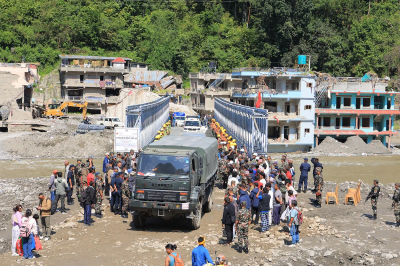
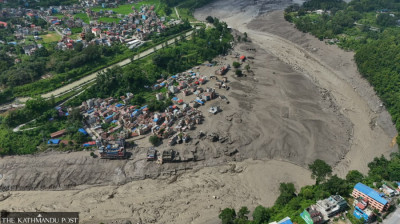
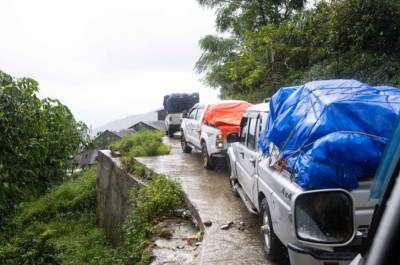
Many settlements across the district have become inaccessible after the August 26 flood damaged roads and bridges. In Amachhodingmo, dwindling relief supplies are adding to residents’ hardship.
Health officials have indefinitely stalled vaccination in three flood-hit districts, warning that displaced children face a heightened risk of infectious disease outbreaks.
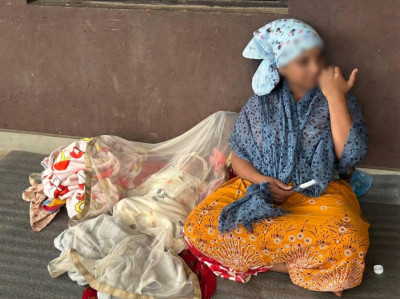
Proposal follows public outrage over a poor woman forced to give birth on a pavement outside Rajbiraj hospital after her husband could not afford blood tests.
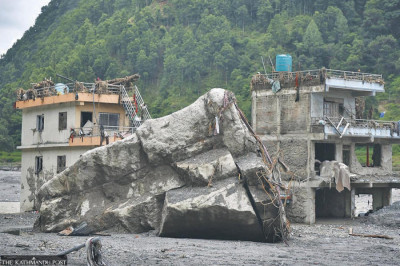
Some victims say the Nepal Electricity Authority refused ward office recommendations to disconnect electricity meters from destroyed homes, saying they needed a police report instead.
Experts warn that due to frequent movement of people to and from Nepal, the country is at high risk of any outbreak spreading from any corner of the world.
The position at the WHO’s South-East Asia regional office has been vacant since Saima Wazed, daughter of former Bangladesh prime minister Sheikh Hasina, resigned.
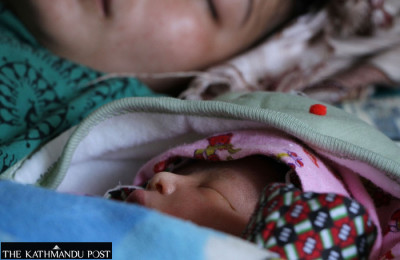
Local maternity clinics and services remain disrupted in Rasuwa and Nuwakot since the August 26 floods. But many women cannot travel to Kathmandu because of damaged roads.
More than 9,000 people have been infected across Nepal this year, with the disease reported in 74 districts.
The number of people in makeshift shelters has fallen to around 1,000 from 4,500, as poor conditions force survivors to leave while the government delays rehabilitation and financial assistance.
Children are particularly vulnerable to rabies, while misconceptions about puppies can delay lifesaving treatment.
Weather experts urge trekkers already in the mountains to return to safer, lower elevations and ask the public to take precautions.
In Nuwakot, locals walk for five to six hours to reach the tuin, an improvised cable crossing, then wait for another four to five hours to cross.
Food is running out in villages cut off after the Bhotekoshi flood swept away bridges.
Immunisation experts urge authorities to vaccinate everyone above 30, citing a shift in the age group at risk and a high risk of fatality among unvaccinated people.