At least nine people have died and 37 others have been infected with Japanese encephalitis (JE) virus in less than a month, and health officials warn that the toll could rise as the peak season for the mosquito-borne disease approaches.
What has particularly concerned immunisation officials is the death of a person in Nawalparasi East, where authorities had launched a JE vaccination campaign a few months ago.
“Our surveillance and investigation show that the person who died of JE infection was unvaccinated,” said Dr Abhiyan Gautam, chief of Immunisation Section at the Family Welfare Division under the Department of Health Services. “Coverage of JE vaccination in Nawalparasi East was only 77 percent and the recent death shows that unvaccinated people are at risk of getting seriously ill or dying from the infection.”
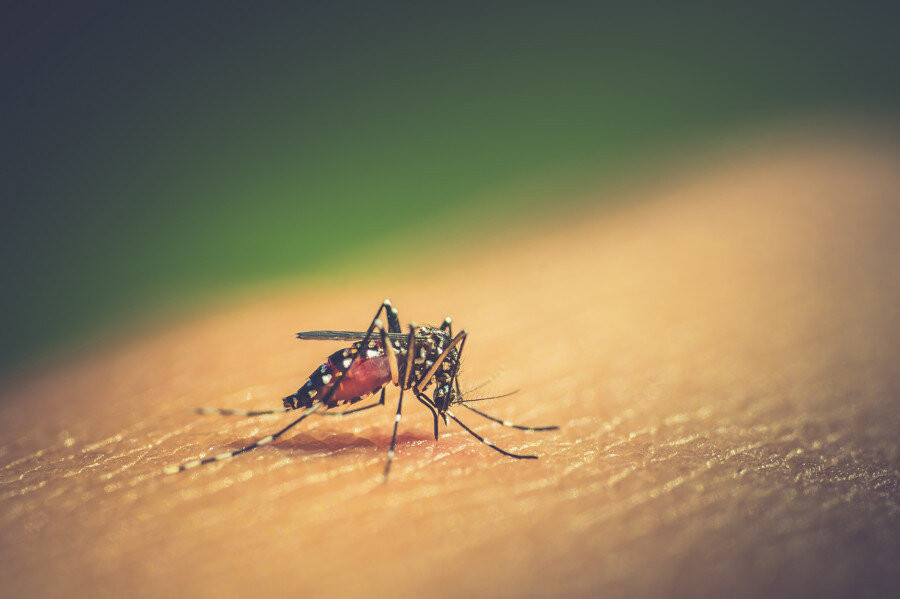
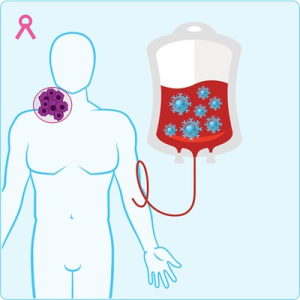
JE is a viral brain infection endemic to Asia and parts of the Western Pacific. It is transmitted by mosquitoes and belongs to the same flavivirus family as dengue, Zika, yellow fever, and West Nile viruses.
The virus kills about one-third of those who develop severe illness, while up to half of survivors are left with severe lifelong disabilities, according to the World Health Organisation.
Six of the nine deaths were reported in Koshi province, two in Madhesh and one in Lumbini. Health authorities are probing other reported deaths and infections.
Last year, 41 people died and 141 others were infected with JE, which spread to over 117 local units across 45 districts. The case fatality rate was around 23 percent.
In 2024, 23 people, including one person in Kathmandu Valley, died of JE, while at least 80 were infected.
Around 20 percent of the cases reported this year have resulted in deaths. Officials say unvaccinated people are at serious risk of getting severe and dying from the infection. The disease can cause permanent injuries to the brain and the nervous system, and there is no specific treatment. Care focuses on managing symptoms and complications.
Immunisation experts and members of the National Immunisation Advisory Committee have recommended a single dose of the JE vaccine for all unvaccinated people, saying they remain at high risk of infection, severe illness, and death.
Last year’s data show that 76 percent of those who died from JE were over 40 years old, while around 70 percent of those infected were older than 15. The figures indicate that the disease is affecting a large number of people beyond the age group coerced by routine childhood vaccination.
Asked why authorities have not taken broader preventive measures after 41 people died of JE last year, officials say vaccination was the only effective measure to prevent infection and deaths, but the government did not have the budget to vaccinate all vulnerable populations.
“We know that vaccination is a safe and proven method to prevent deaths, permanent disabilities and infection from JE,” said Gautam. “We know that we can save our population by a single dose of vaccine.
But the government did not have the budget to vaccinate the entire population at once, he said. “We only managed to launch vaccination in Nawalparasi East and some wards of Chitwan districts, where the infection rate was too high.”
The government has allocated Rs460 million to vaccinate people in 11 districts with a high JE burden. Chitwan, Kailali, Tanahun, Dang, Jhapa, Kapilvastu, Morang, Rupandehi, Sunsari, Rautahat and Sarlahi districts have been selected for the campaign based on their high morbidity and mortality rates.
However, the vaccination programme will not start before April next year, because vaccine procurement and supply will take time, according to officials.
JE has long been a major public health problem in Nepal. The virus killed nearly 2,000 people in Nepal in 2005, mostly children in the Tarai districts.
Nepal started administering the JE vaccine in 2006, eight years before the WHO officially issued prequalification certification, due to high rates of infection and deaths. The programme was later expanded with support from donors and global health partners.
Experts say everyone who remains unvaccinated should receive at least one dose of the JE vaccine, which is effective in preventing severe illness and death.
“As JE infection causes high mortality and disability, authorities concerned must arrange the vaccine for the unvaccinated population,” said Dr Shyam Raj Upreti, former director general at the Department of Health Services.
Upreti, who is also an immunisation expert, said vaccination is the only effective way to prevent further deaths and disabilities from JE.
Along with vaccination, awareness drives and promotion of sanitation and hygiene and behavioural change are also crucial in preventing the spread of the deadly viral disease.
Officials say the responsibility for public awareness drives lies with the local governments. However, poor coordination among the three tiers of government — federal, provincial and local — has hampered other preventive measures. Many local governments say they do not even receive timely information about JE outbreaks.
Nepal has included the JE vaccine in its routine immunisation programme and administers it free of charge to children at state-run health facilities.
An estimated 12.5 million people are thought to be at high risk of JE infection in Nepal.
The vaccine is also available at pharmacies, but it is costly, meaning that many vulnerable people cannot afford to pay out of pocket.
JE is transmitted to humans through the bite of infected Culex mosquitoes. Pigs and ducks are considered natural reservoirs of the virus. Pig farmers and those residing near the paddy fields are at particularly high risk.
Arjun Poudel is a health reporter for The Kathmandu Post. Before joining the Post, he worked for Sagarmatha Television, Naya Patrika, Republica and The Himalayan Times.




 23.1°C Kathmandu