Falling temperatures and polluted air drive up respiratory illnesses in Valley
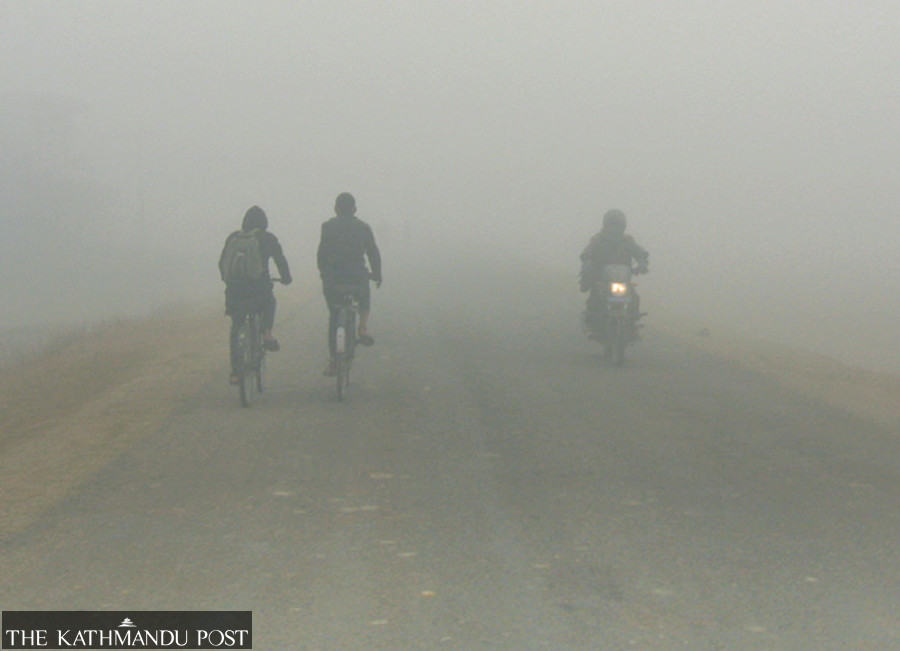
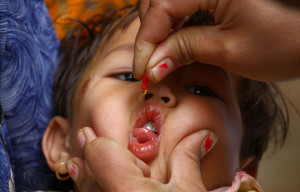
Doctors advise influenza vaccine for the elderly with comorbidities and small children. Hospitals across the Kathmandu Valley are reporting more patients with respiratory illnesses as temperatures fall and air pollution worsens, with doctors warning that vulnerable groups face a higher risk of severe complications. Post File Photo
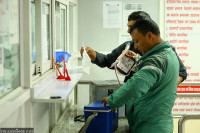
As temperatures begin to drop and the post-monsoon dry season sets in, hospitals in the Kathmandu Valley have begun reporting an increase in patients with respiratory illnesses, influenza, coughs and fever.
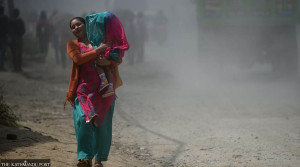
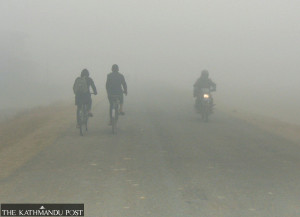
Doctors warn that respiratory illnesses could rise further after next week’s Tihar festival as falling temperatures and increasing air pollution aggravate respiratory problems, while festival gatherings also create opportunities for respiratory viruses to spread.
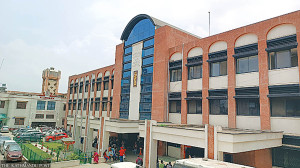
“Of the total number of patients seeking care in our hospital these days, around 50 percent are those suffering from respiratory illnesses, colds, coughs, and fever,” said Dr Raju Pangeni, a consultant pulmonary and critical care physician at Hams Hospital. “Some patients also seek care only after they become serious at home. We have to admit such patients at the intensive care unit upon arrival.”
Other hospitals in the Valley are reporting a similar increase in patients with respiratory illnesses. Doctors say seasonal influenza is highly contagious and spreads easily. Adults may not be severely affected from the infection, but elderly people, children, and those with underlying health complications are at risk of getting severe, they added.
“Of the over 500 patients seeking care in our hospital every day, over 50 percent come with cold, fever, and respiratory illnesses,” said Dr Ramhari Chapagain, director at the Kanti Children’s Hospital. “Some parents bring their children to the hospital only when their condition deteriorates. We have been urging parents not to wait too long at home before seeking medical attention.”
Doctors say seasonal influenza affects the respiratory system and spreads quickly within communities. They warn that it can lead to complications including pneumonia, which can be fatal, especially among vulnerable groups.
Pneumonia, an infection of the lungs caused by various types of bacteria, viruses and fungi, is the leading cause of death among children under five in Nepal. It kills more children annually than malaria, tuberculosis, and HIV combined. According to the World Health Organisation, pneumonia accounts for 15 percent of under-five mortality in the world.
Doctors say pneumonia caused by bacteria is deadlier than that caused by viruses, and children under five and people above 65 years of age are particularly vulnerable to severe illness.
Seasonal influenza can affect people of all ages, but those with comorbidities and the elderly are at higher risk of complications.
Its symptoms include fever, cough, body aches, and in some cases, vomiting, diarrhoea, and pneumonia. According to Dr Chapagain, diarrheal cases have also risen alongside respiratory diseases.
There is no system in place to monitor influenza infections, their severity, and deaths, because not all patients seek hospital care or undergo testing. Also, not all health facilities maintain records or report cases to the authorities. Doctors also say testing is not routinely necessary, as there is no specific treatment for seasonal influenza.
Health experts estimate that thousands of people in Nepal get infected with influenza every year. They urge the public to get the influenza vaccine, especially elderly people, children, and those with underlying health conditions.
“We don’t know exactly how many people contract seasonal influenza, develop severe symptoms, or die from it each year in Nepal,” said Dr Anup Subedee, an infectious disease expert. “However, based on the number of patients admitted to intensive care units with severe infections, we can assume that a few thousand people may die from influenza every year. So it is better to get vaccinated against the virus.”
Experts say early diagnosis is crucial for preventing infection and complications. Patients recover early if treated promptly.
Dr Sher Bahadur Pun, chief of the Clinical Research Unit at the Teku-based Sukraraj Tropical and Infectious Disease Hospital, also stresses the risk for vulnerable groups.
“Those suffering from heart ailments, renal problems, cancer, and diabetes, as well as elderly people and children, are highly vulnerable to getting severe,” he said. “At the very least, these groups should be administered the influenza vaccine. Health care workers, who get exposed to the infected patients, should also get vaccinated.” Sukraraj is the government-run hospital and national referral hospital for infectious diseases.
Public health measures—mask-wearing, handwashing, avoiding crowds, and maintaining social distancing—can reduce infection, doctors say.
Arjun Poudel is a health reporter for The Kathmandu Post. Before joining the Post, he worked for Sagarmatha Television, Naya Patrika, Republica and The Himalayan Times.




 12.94°C Kathmandu