



 25.92°C Kathmandu
Tue, Oct 27, 2026
Editorial
Preventable human deaths from conflict with wildlife
Timely identification of ‘problematic’ animals and engagement of communities in conservation efforts are vital.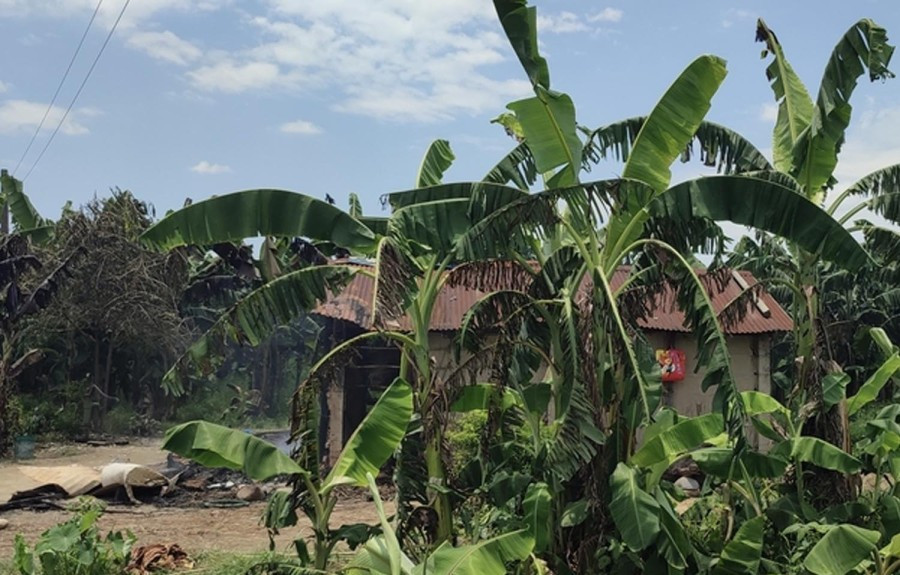
bookmark
Published at : July 6, 2026
Updated at : July 7, 2026 06:48
The recent deaths of Ashika Bote and her young son in Jagatpur, Chitwan, following an attack by Dhurbe, an infamous male wild elephant that has killed 23 other people since 2010, have sent shockwaves through the country. Tragically, the same elephant had claimed the lives of two other people from Ashika’s family back in 2012 when they lived in the Madi area. This is a heartbreaking reminder that when humans and wildlife compete for the same space to live, the result is often devastating for both sides.
Human-wildlife conflict has reached alarming levels across Nepal’s forest fringes. The Annual Report 2021-2022 published by the Department of National Parks and Wildlife Conservation reported more than 12,000 cases of wildlife attacks on humans. In them, 58 people died, 72 reported minor injuries, and 116 suffered critical injuries. The conflict is particularly dire in the Chitwan National Park, the country’s premier conservation zone, where more than 120 people have succumbed to attacks from wild animals in just over a decade. Such incidents, and most crucially, the death of 25 humans due to the attack of a single elephant, lay bare the state’s structural failure to protect the fragile relationship between people and wildlife despite improvements in conservation efforts.
In response to people’s deaths in 2012 as a result of Dhurbe’s attack, authorities had decided to kill him. Despite severe injuries from gunshots in late December 2012, Dhurbe escaped, expanded his movement to eastern Chitwan and now keeps reappearing once in a while. (His movements have remained predictable, with residents in the incident area noting that he follows a cyclical path, arriving like clockwork during the autumn and winter harvest seasons to raid crops; he was also seen on the forest edges some days before the incident.) A satellite-tracking collar has also been used to monitor its movements since 2020, as the radio collar installed in 2012 stopped working. However, despite the much-needed technological intervention, the execution couldn’t prevent further deaths, indicating a policy failure.
Authorities have also often failed to address the root causes that drive wildlife into human settlements. Habitat loss and fragmentation force elephants and other wild animals to enter human settlements. In Chitwan National Park, for instance, grasslands once covered about 20 percent of the Park. Now, this has been depleted to around 10 percent. Encroachment, deforestation and development activities have particularly affected elephant settlements across the country. Countless once-vast forests have now become small, isolated patches, pushing elephants out of their natural habitats. According to the Elephant Conservation Action Plan (2025-2035), more than half of the potential elephant habitat in the Chure-Tarai region lies outside of protected areas, forcing elephants to wander through human-dominated landscapes. In such an unstable scenario, it is no surprise that people lose lives and livelihoods while elephants are killed in retaliatory attacks or accidents.
In Chitwan National Park, electric fencing and concrete barriers are in place to keep animals from entering settlements. But these efforts are not enough. Restoring forest cover and corridors as envisioned in the action plan, whereby animals can roam freely within the park without needing to break through people’s settlements, is a daunting task. Still, it is a prerequisite for reducing human-wildlife conflict. Timely identification of ‘problematic’ animals and engagement of communities in conservation efforts are just as vital. If we can get these basics right, perhaps a safer space can be created for both humans and animals.





Most Read from Editorial



Editor's Picks

What to know about the US trial over Mamta Kafle’s disappearance

NPL returns with bigger ambitions and global recognition
What’s new in the Nepal Premier League’s third season?

After Nepal’s recent disaster, it wants to test whether COP31 can deliver climate justice

Why does an hour long flight to Dhangadhi cost more than a flight to New Delhi?
E-PAPER | October 27, 2026

×