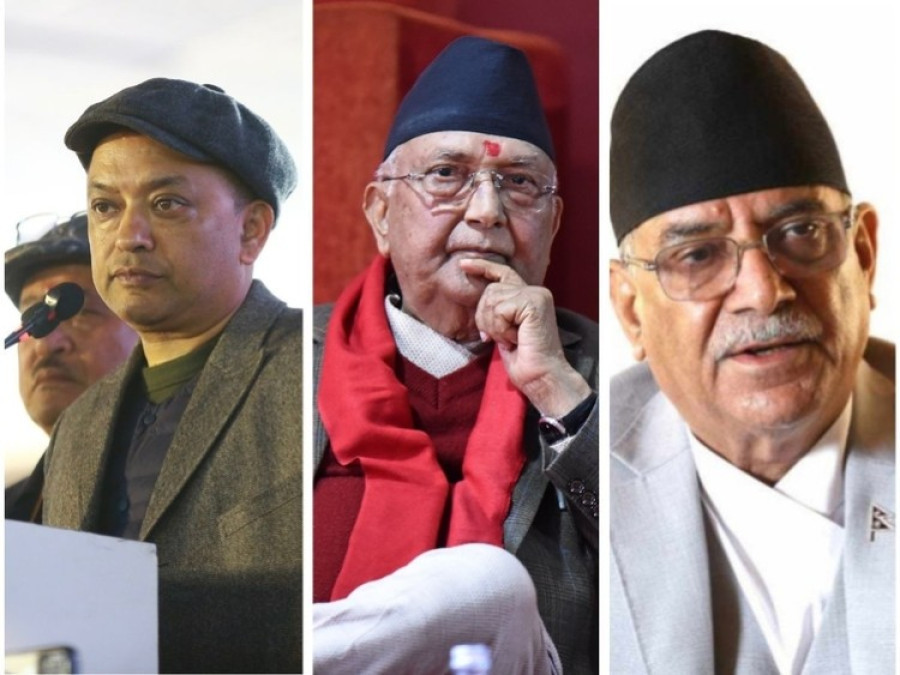
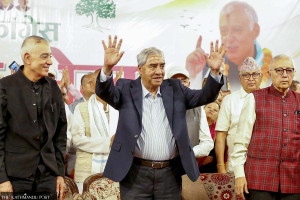
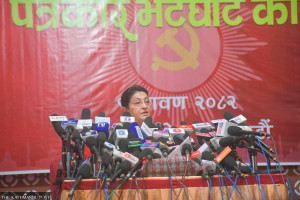
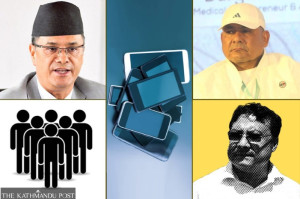
Three weeks after the CPN-UML and the Nepali Communist Party agreed to forge an alliance to form governments in five provinces, they remain undecided on the sharing of ministerial portfolios in the provinces where they already have governments. To increase the basket of ministerial portfolios, the two communist parties are mulling over splitting ministries in Koshi Province. This comes amid UML chair KP Sharma Oli’s push to get his yes-man as chief minister by kicking out Hikmat Karki from his own party.
Likewise, the in-house conflict within the Nepali Congress has become a never-ending game. It started long before the Gen Z protest that brought about political upheaval, yet it has not changed the working style of the grand old party. Neither side of the party seems to be in the mood to compromise, which suggests that the only motive is to remain in power. The stubbornness of Sher Bahadur Deuba in invalidating the January convention and not recognising Gagan Thapa’s leadership is the major bone of contention. However, as the commander of the party, Thapa shoulders the responsibility to create an environment to bring the dissenting side on board. This is where his leadership skills are tested. The greater the internal conflict, the weaker the party will be, making the larger mass more frustrated. Both sides must understand that their dispute has little to do with the larger public good; people know that it is largely a clash of ego and power.
If the old parties do not mend their ways, it won’t be surprising if they lose further footing in future elections. One motive for the recent coming together of the UML and the NCP could be to contest those elections under some kind of alliance, with the aspiration of performing better.However, that is not going to happen in their present fashion of working. The same applies to the Congress. Resolving its internal dispute is not merely a matter of settling who controls the party. It is also about restoring public confidence in a party that has long claimed to represent democratic values. All of these erstwhile ‘big-three’ parties’ refusal to change course could ultimately lead to their collapse. The sooner they learn this, the better.
The way the communist parties are bargaining over provincial governments and the never-ending row within the Congress suggests that they are yet to internalise why the youths stood against them last year. Party leaders’ sole motive appears to be to hold power, be it in the party or the government. They seem least bothered about serving the people in the best possible way with the platforms they already have. Moreover, the parties hold power at the provincial level and in all the local units, which offer both opportunities and responsibilities to work closely with the people. But their working style hasn’t changed. They have failed to learn despite being cornered in national politics. The March polls were a rejection of their working style, yet they appear to have taken little lesson from the verdict.




 14.4°C Kathmandu