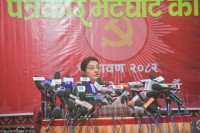
In a country where government reports are often buried in bureaucratic drawers, the decision to resurrect the 1995 Rawal Commission report is nothing short of a jolt to the status quo. After 31 years of political hesitation, the government has finally moved to freeze more than 1,859 ropani of public land in Kathmandu that had been illegally converted into private estates. This move, spearheaded by Land Management Minister Pratibha Rawal—the granddaughter of the commission’s original chair—is a welcome and bold assertion of the state’s duty to protect public assets. However, as the government moves from the ‘what’ to the ‘how’, it must tread carefully. If this long-due action is handled with the same haphazard haste seen in the recent move to evict landless squatters, the state risks a legal and social backlash that could stall action for decades still.
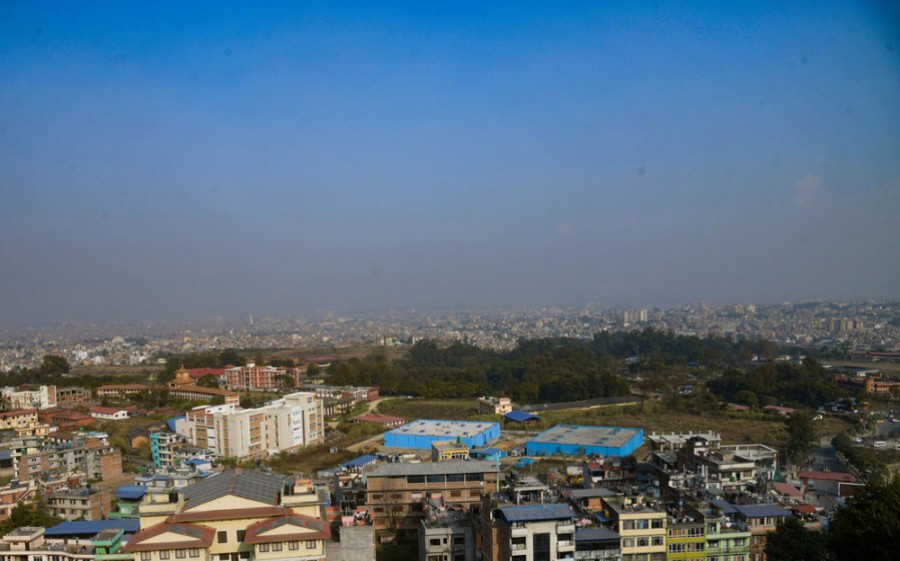
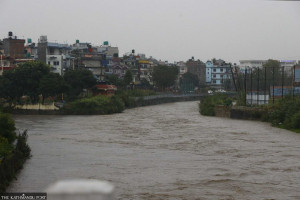
The scale of the encroachment documented in the 1995 report is astounding. Nearly 10 percent of the public land in Kathmandu metropolis was found to be under illegal occupation, affecting temple grounds, ponds and river corridors along Bagmati and Bishnumati. Public properties have been systematically cannibalised by private interests. The Cabinet’s decision to finally implement the report—following years of ignoring Supreme Court directives—is a victory for the rule of law.
Yet, the government’s current ‘no ifs and no buts’ rhetoric must be matched by surgical precision rather than political and administrative arrogance. The greatest threat to this initiative is not the encroachers themselves, but the potential for procedural errors that lead to a deluge of litigation. Unlike the clear-cut cases of three decades ago, much of the land has been transferred multiple times since the report was first submitted in 1995. The government is no longer dealing solely with the original ‘direct encroachers’ who merged public land into their holdings. Instead, it is often dealing with third- or fourth-generation buyers who may have purchased these plots in good faith.
The government must acknowledge that the right to property is a constitutional bedrock. If the state acts in a hurry without ample study and research, it risks undermining this fundamental right. A rushed execution will inevitably drive affected parties to the courts, where the entire process could be stayed, reversed, or permanently mired in legal limbo. Minister Rawal has noted that some records still contain annotations from the Commission, while others require ‘extensive verification’. This verification is the difference between a successful reclamation and a public relations disaster.
An eight-member facilitation committee has been handed a meagre 15 days to prepare a roadmap. This timeline is dangerously ambitious, given that some records have been lost since the 1990s. Solution-oriented action requires following the roadmap already laid out within the Rawal Commission’s own findings. The report proposed several models, including a pilot campaign in high-encroachment areas like Bauddha or smaller, manageable sites like Khichapokhari. Starting with a pilot project would allow the newly formed facilitation committee to test its roadmap, reconcile 30-year-old findings with present-day cadastral records, and establish a clear legal framework for addressing complex ownership histories. The government must ensure that every plot identified for recovery is backed by airtight evidence that can withstand the scrutiny of the judiciary.
According to a report published by the Kathmandu Valley Development Authority, only about 2.3 percent of Kathmandu Valley’s land is allocated to public open space, far below the 15 to 20 percent recommended by urban planners globally. In addition to being a moral and legal imperative, reclaiming the 1,859 ropani of stolen land is an opportunity to restore the lungs of the city. But the government must remember that in the pursuit of justice, the process is just as important as the outcome. Let this not be another example of bullish tactics that end in a courtroom stalemate. The public wants their land back, but they also want a government that respects the law it is trying to enforce.




 21°C Kathmandu