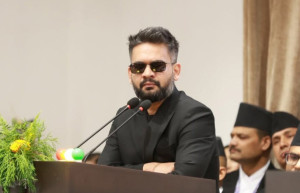
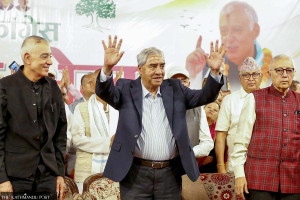
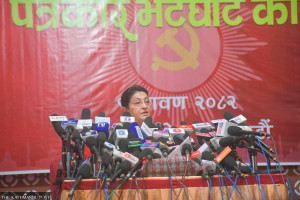
Long-unresolved internal disputes are one reason there has been a marked decline in membership of the Nepali Congress. Going by its latest online membership renewal drive, the oldest and most vocal champion of democratic values in the country could see its active membership reduced by nearly half from the 850,000 members recorded during the party’s 14th general convention in 2021. The party all but split after the Gagan Thapa faction convened a special convention at the end of 2025. Members of the rival camps led by Shekhar Koirala and Purna Bahadur Khadka now say they will not renew their membership, arguing that Thapa must first win their confidence. The ruling Thapa camp, however, has pushed ahead with the digital renewal drive as the old records appeared to be incomplete and inaccurate. Yet it would be a mistake to believe that camp rivalry is the sole or even the main reason for the growing disenchantment of old Congress stalwarts. The morale of Nepali Congress active members had been on a steady decline for over a decade, mostly during Sher Bahadur Deuba’s party presidency.
During this time, even as demands for internal reforms got louder, the party was largely run as a personal property of Deuba. He decided when the Congress would be part of a government—and when it would pull out. These decisions were mostly made based on whether, and when, he would get to become prime minister again. To take just one example, before being forced out of national politics by the Gen Z revolt in September 2025, Deuba had entered into a power-sharing deal with CPN-UML, the main ideological opponent of the Congress. Such ideological deviation caused disillusionment among the Congress rank and file. In the previous 2022 national elections, party members had inconceivably been asked to vote for candidates of the Maoist party, the election ally of Congress. Many of the Congress loyalists chose to stay at home rather than sell their soul and vote for the radical communists. At the same time, the left-leaning voters, who traditionally constituted nearly 40 percent of the national vote before the 2026 elections, felt betrayed. For them, it was anathema to be asked to stamp the ‘tree’ symbol of the Congress, the hated champions of ‘free-market liberalism’.
As these traditional parties lost their ideological purity and as promotions and perks inside them became based more on connections with top leaders rather than merit, frustration mounted. Following the Gen Z revolt and after the drubbing these parties received in recent elections, this frustration among party members and cadres turned into a deluge that is now threatening to wash away the foundations of these once-established parties. The sad part is that instead of accepting the public mandate in favour of change, most of their top leaders seem stuck in a time warp. They seem to believe that tinkering at the margins of their parties is enough to revive their electoral fortunes. And so the old guard that perfected the art of political wheeling and dealing is again looking to shift blame and hang on by hook or by crook. As they drown, they seem determined to sink their mother ships as well.




 14.4°C Kathmandu