A 35-year-old man recently visited Sukraraj Tropical and Infectious Disease Hospital (STIDH) seeking rabies vaccination. He had received the first dose at a government healthcare centre outside Kathmandu, but the remaining doses were unavailable. He was, then, advised to visit STIDH to complete his post-exposure prophylaxis doses. Similarly, a female resident of Nala, Kavrepalanchok district, travelled to STIDH to receive a rabies vaccination after being unable to access it locally. In fact, in recent months, dozens of animal-bite victims have visited STIDH after failing to obtain rabies vaccines, previously supplied by the government, from their local health care facilities. Shortages have also been reported in many private hospitals and pharmacies across Nepal. I have observed that the scarcity of rabies vaccines has persisted since early April. Rabies remains a major public health concern in Nepal and is invariably fatal once clinical symptoms develop. Thus, the ongoing vaccine crisis could consequently increase the risk of rabies cases in Nepal.
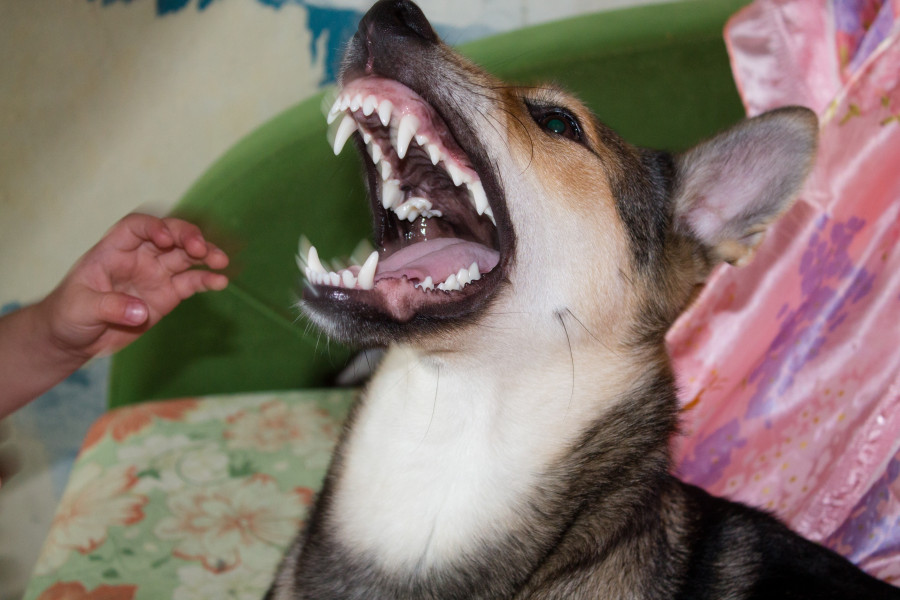
Rabies is a viral zoonotic disease with dogs accounting for the vast majority of human infections. According to the World Health Organisation, India accounts for approximately 36 percent of global rabies deaths, with children younger than 15 years comprising an estimated 30-60 percent of reported rabies cases. However, the true burden is likely underrecognised. In Nepal, the Epidemiology and Disease Control Division reports that nearly 100 rabies cases are reported, while an estimated 50,000 animal bite victims seek post-exposure prophylaxis each year. At STIDH, I have observed an average of more than 20 rabies deaths recorded annually. Although a small number of rabies survivors have been reported elsewhere following intensive medical management, no patient in Nepal has survived once the disease has been clinically diagnosed. Thus, although rabies is regarded as a partially fatal disease, it has remained a 100 percent fatal disease in Nepal.
Interestingly, the reasons for survival following rabies treatment remained poorly understood, and these treatment protocols have not yet been incorporated into standard clinical guidelines. The reasons for survival of rabies patients following treatment may depend on different factors, including the magnitude of viral inoculation at the exposure site, strain-specific differences in the rabies virus, timing of presentation to health care facilities, and the use of available anti-viral therapies (in Nepal, anti-viral therapies are not used for rabies patients; instead, only supportive treatment is provided). These hypotheses, however, warrant further investigation. Their effectiveness and reproducibility must be demonstrated in different settings, especially in regions where the burden of rabies is greatest.
In Nepal, Dogs remain the primary source of animal-bite exposures, followed by monkeys. Notably, an increasing proportion of bite incidents is now attributable to people’s own pet dogs. Moreover, reports of cat bites or scratches have risen substantially in recent years. The increasing diversity of animal species involved in bite incidents may reflect closer and more frequent human-animal interactions, a trend that appears to have intensified over time in Nepal. Most rabies cases in Nepal are reported from areas outside the Kathmandu Valley.
The ongoing shortage of anti-rabies vaccines over the past three months has further complicated access to post-exposure prophylaxis. While some animal-bite victims seek care at STIDH, many are unable to travel to Kathmandu because of travel constraints, time limitations and financial difficulties, and these challenges may delay or prevent access to life-saving rabies vaccines. As a result, these individuals face a heightened risk of rabies owing to their failure to receive timely and adequate vaccination.
Regrettably, I have observed several rabies cases in which victims were unable to complete the recommended vaccination regimen following an animal bite because of financial hardship, travel-related challenges, and time limitations. Had rabies vaccines been readily available at their local healthcare centres, fatalities might have been averted. Some bite victims, after being unable to access rabies vaccines at nearby healthcare centres, do not proceed to a tertiary-level hospital, despite advice from family members or relatives. Therefore, the ongoing shortage of anti-rabies vaccines outside Kathmandu poses an increased risk of rabies, which requires urgent attention from the government.
As a long-term strategy to address recurrent vaccine shortages, the government may consider investing in domestic manufacturing of anti-rabies vaccines. Considering that Nepal administers hundreds of thousands of vaccine doses each year, local production could enhance vaccine security, reduce dependence on imports, and improve the sustainability of rabies control programs.
The current rabies vaccine shortage in Nepal is not unprecedented. An individual presenting with symptoms such as aerophobia (fear of fresh air) and hydrophobia (fear of water) after an animal bite has not survived in Nepal. Given the preventable yet fatal nature of this disease, there should be no justification for shortages of rabies vaccines. Thus, vaccines must be made readily available and accessible, particularly in areas beyond urban centres, where the majority of rabies cases are reported.
Nepal has committed to eliminating dog-mediated human rabies deaths by 2030. However, achieving this goal will be challenging without ensuring an uninterrupted supply of vaccines and equitable access to vaccination, especially for populations residing in remote regions.




 15.03°C Kathmandu