



 22.92°C Kathmandu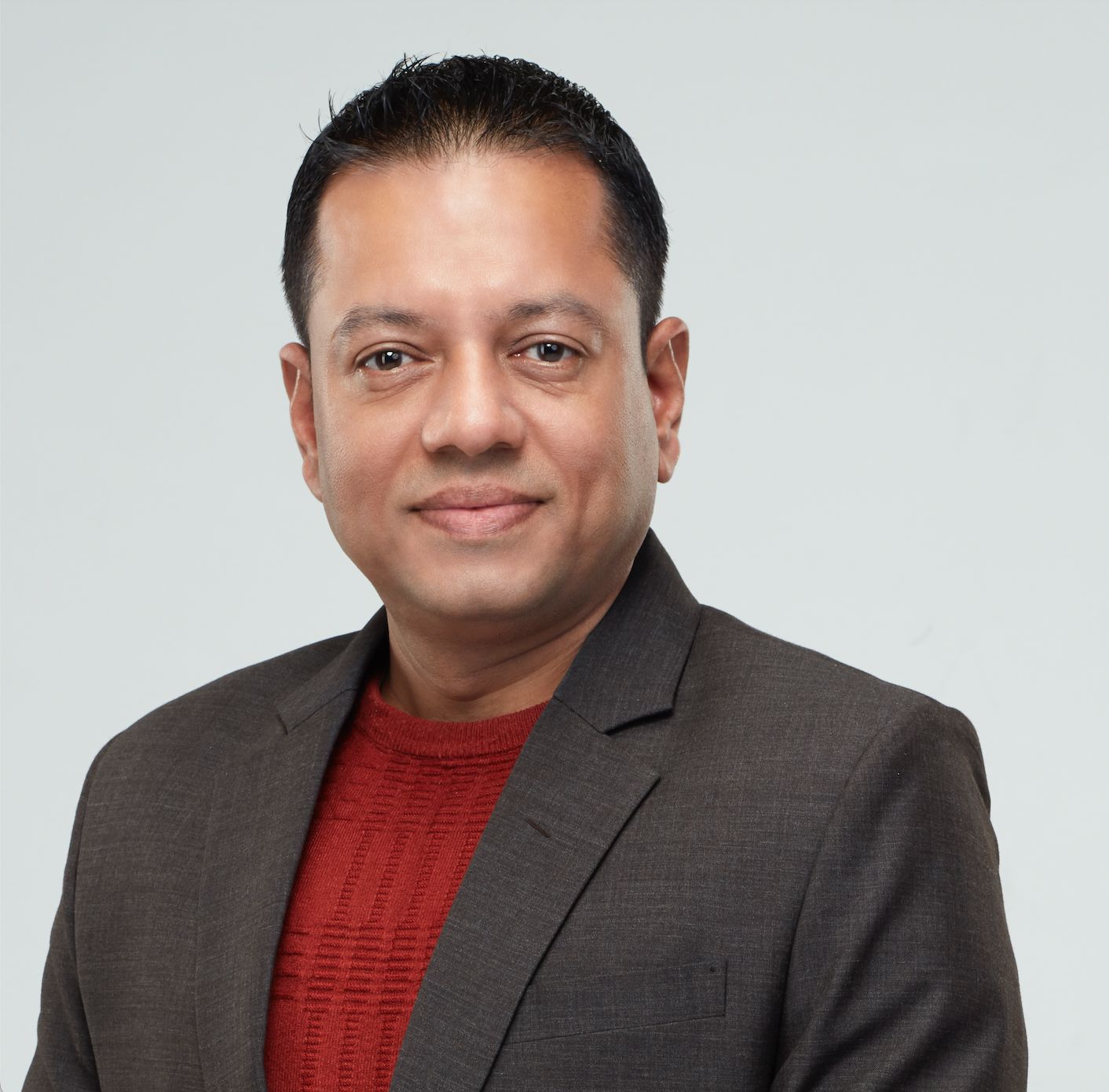
.jpg&w=200&height=120)
Tue, Sep 29, 2026
Columns
Can the Majority World keep up in the AI race?
From Geneva to Kathmandu, global AI talks are missing the voices of developing nations—and it’s time to change that.
bookmark
Santosh Sigdel
Published at : August 5, 2026
Updated at : August 5, 2026 07:14
The inaugural UN Global Dialogue on Artificial Intelligence Governance (UNGDAI), mandated by the UN General Assembly, took place on July 6-7 in Geneva. The United Nations General Assembly established the global dialogue as an inclusive space within the UN for governments and stakeholders to deliberate on today’s most pressing AI challenges, following intergovernmental negotiations and broad consultations with diverse stakeholders.
The four main themes of UNGDAI—AI opportunities, bridging AI divides, safe, secure, and trustworthy AI, and human rights—are highly relevant to least-developed countries and regions such as Nepal. With the growing adoption of ICT, the internet and AI in recent years, there is increasing excitement in the government and the private sector about reaping the benefits of AI. Similarly, the government’s priority to regulate AI through laws and policies, including the recently adopted National AI Policy, the Data Centre and Cloud Service (Operation and Management) Directives, and its broader legislative agenda on AI, reflects the strong push by both government and businesses to capitalise on AI opportunities.
However, the discourse around bridging the digital and AI divide, ensuring AI systems are safe, secure, and trustworthy, and addressing their human rights implication remains overshadowed in Nepal. Nepal’s AI Sector Maturity score is only 0.68 out of 100 as per the Government AI Readiness Index 2025 report prepared by Oxford Insights. In such a scenario, rather than treating AI as inevitable and pushing for blind adoption, Nepal should strive to build domestic AI capabilities and infrastructure; prioritise developing a comprehensive data protection ecosystem; build resilient cybersecurity systems and practices; and conduct economic, social, cultural and environmental AI impact assessments, to ensure that the AI systems and AI governance it adopts are just, inclusive and rights-respecting.
The UNGDAI was a useful multistakeholder platform where governments, including significant participation from technology companies, civil society and academia, came together to discuss the enormous opportunities AI has already created and is expected to create in the future. There appeared to be broad agreement on the need for a global framework for AI governance. The discussions highlighted how nearly half of global investment is now directed toward AI and related sectors, and how AI is expected to transform virtually every sector, including healthcare, education, public service delivery and public governance. There seemed to be a broad consensus that AI is an ultimate game-changer.
However, questions concerning the realities of developing countries and the communities within them—those with comparatively limited stakes and agency in AI development and global AI policymaking—received less attention. Countries and communities that continue to struggle with the digital divide, and that are increasingly exposed to AI systems developed in the Minority World, in dominant languages and largely trained on data originating from those contexts, are often not even in a position to fully understand the potential repercussions of systems that may increasingly shape many aspects of their lives, including the exercise of their fundamental rights.
For many people in the Majority World, including Nepal, AI is largely understood as a tool for content generation, and ChatGPT effectively represents AI itself. In the UNGDAI, I also found limited discussion on the environmental impacts of AI ecosystems, as well as issues relating to Indigenous communities, sexual and gender minorities, and persons with disabilities. As the United Nations is the primary international institution advancing the principle of leaving no one behind, giving limited attention to these groups in AI governance discussions risks deepening their marginalisation unless greater consideration is given to designing more inclusive dialogues.
There is a pressing need to strengthen AI governance and regulatory discourse at the national and regional levels, particularly across the Majority World, where governments and other stakeholders can collectively explore their AI capacities and opportunities while working toward equitable AI development. Communities should better understand the potential impacts of AI systems on their lives and their environment. The meaningful participation of minority groups should be ensured throughout AI governance and regulatory processes. Human rights principles and standards should serve as the benchmark for AI governance and regulation.
Between now and the next round of the Dialogue in May 2027 in New York, countries from the Majority World should identify their core national and regional priorities and develop common positions on key negotiating issues. Building strategic alliances ahead of the formal negotiations will further strengthen their collective voice and bargaining power.
Equally important is strengthening the AI literacy and advocacy capacity of civil society organisations, digital rights groups, academia, and other public interest stakeholders. As these actors gain a deeper understanding of AI technologies, their societal impacts, and emerging governance challenges, they will be better positioned to advocate for AI systems that are just, ethical, trustworthy and respectful of human rights. The United Nations and development partners should therefore prioritise investing in awareness-raising, knowledge-sharing and capacity-building initiatives that enable these stakeholders to meaningfully contribute to AI governance discussions and ensure that the interests and concerns of vulnerable and marginalised communities are effectively represented.
A coordinated Majority World strategy is therefore essential to engage more assertively in international negotiations and to advocate for an AI governance framework that addresses existing asymmetries in AI capacity, influence and the equitable distribution of AI’s benefits.
Santosh Sigdel
Sigdel is a digital rights expert and general secretary of AI Association Nepal.


.jpg&w=200&height=120)
Most Read from Columns


Editor's Picks

What triggered the Rasuwa flood? Scientists piece together a complex chain of events

The floods keep coming. Nepal keeps starting over

In a settlement destroyed by the Bhotekoshi flood, a disabled couple offer strangers the little they have

Nepal working on detailed assessment as Bhotekoshi flood reconstruction could cost up to $5 billion

Rabindra Dhant gave Nepal a reason to smile. Now his camp wants real action behind the praise
E-PAPER | September 29, 2026

×