



 14.81°C Kathmandu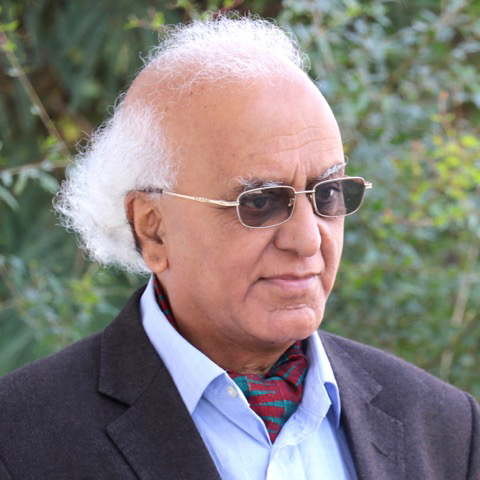

Sat, Oct 24, 2026
Columns
The persistent cycle of hope, expectation and dismay in modern Nepal
Interestingly and remarkably, the focus of every transition is the people and the question of their rights.
bookmark
Abhi Subedi
Published at : August 1, 2026
Updated at : August 2, 2026 10:11
Some notable features of modern Nepali history include the praxis of transition as well as people’s expectations, hopes and frustrations. This is indeed a feature of transition in the world. But in Nepal, as history shows, stories of dismay and unfulfilled expectations are mixed with dreams of change. We can see this pattern if we consider the major transitions that have occurred in the latter decades of the 20th century and the first two decades of the 21st century.
The transitions are notable for a few reasons. Political scientists, politicians (except a few) and social scientists have studied this subject. Many seminars and research projects are conducted, and academic theses are written on this phenomenon of transition in Nepal. It is beyond the scope of a short take and the subjective perception of a literary academic even to outline them. I want to share my personal impressions about the praxis of transition and the pattern of adjustment that recurs at intervals in modern Nepal. People of past generations saw and even experienced a number of praxes, and the younger generations have experienced a few of them. They have created some, we can say, as in the latest example of the Gen Z uprising.
The focus of every transition, interestingly and remarkably, is the people and the question of their rights. Every transition has projected people’s rights and bears testimony to their violations. An important instance has occurred in modern Nepali political and social history. This is surprisingly overlooked by both political parties and historians. I want to begin with a remarkable court hearing that is historical in a number of ways: BP Koirala’s court testimony in 1977. Following King Mahendra’s coup and the dissolution of Parliament in December 1960, Koirala and his colleagues, including Ganesh Man Singh, were put in Sundarijal prison. After his release in 1968, BP chose to go to India with his colleagues. He spent several years there before returning to Nepal in 1976 for some reportedly compelling reasons. Arrested again, BP was tried at a makeshift court.
It is important to revisit one important aspect of that testimony in today’s Nepal, when the question of people’s dignity in this country has become a motif of discussion. The testimony that BP gave in court is a very important political document that evokes the system of justice and democracy. There, BP questioned the legality of his arrest and the audacity of the king to strip the people of their democratic rights by dissolving the Parliament they had elected. A great theatrical or dramatic quality was in that court testimony, something that those working in theatre, including me, thought should be staged.
It was difficult to find this important document even among Nepali Congress people, which dismayed me then. A professor of political science, Krishna Khanal, gave me a photocopy of the document, based on which I wrote a play titled Sandajuko Mahabharat that was staged at Village Theatre under the direction of an NSD Delhi theatre graduate, Bimal Subedi. It was an entirely non-partisan theatrical exercise. Academic Sanjeev Uprety brilliantly played the role of BP alias Sandaju, and theatre artist Suryamala Sharma played the role of Sushila Koirala. Other young generation theatre artists successfully played the rest of the roles. We could not perform the play even for a month because of the Indian ‘embargo’ imposed under the order of Prime Minister Narendra Modi. That made it impossible for the audience to find public transport to come to see the play.
The highlight of the court hearing of BP is the written testimony he gave in court. Referring to the royal coup, BP said in front of the jury—the day the king staged the coup in December 1960, millions of Nepalis felt that they had lost their prestige; they felt demoralised. And that was a serious blow to the human rights and dignity of the people. I do not want to cite other arguments that BP Koirala presented at the court in his own defence as an individual defendant and a lawyer. That was the first time when a lawyer, a freedom fighter, had pleaded at the court on behalf of the entire people of Nepal. The question of prestige and the phenomenon of demoralisation deserve special mention today when Nepali people are fighting for the same.
That court hearing and the question of the dignity of people is the mantra of Nepali popular historical uprisings. But there is a pattern of people’s frustration that appears after every political transition in this country. The time of transition naturally brings euphoria, which does not last in that shape for very long. History shows that some patterns of people’s frustrations have some common roots. For a widely cited example, the system gets mired in practices commonly called corruption, indifference and injustice. After every shaking political change, people naturally wait for their government to come up with good plans and visions of amelioration.
But the experience shows that even realistic expectations of people are not addressed. Maitighar Mandala becomes agog with demonstrations of many groups who travel long distances to become visible and put their grievances to successive governments. That principally includes corruption, the settlement question, betrayal by moneylenders, educational conundrums and, most important of all, a sense of losing prestige or dignity. This may remind us of absurd plays staged by actors who are not heard and, painfully, they know that.
Many historical events have occurred in Nepal in the 21st century. One important element of these praxes is the transition to democratic rule. The present multiparty republican constitution, which may require necessary reviews and amendments in the course of time, represents a solid example of the spirit of transition. The diverse approaches to political change meet at a common platform. The Parliament is such a forum where the erstwhile Maoist guerrillas, the Nepali Congress, the various factions of the communists of Nepal, the advocates of the abolished monarchical system, and, more recently, the Rastriya Swatantra Party, which won a majority in the general election and includes Gen Zers, all meet and discuss, though this does not appear to be happening as expected. Judging by the praxis of change, we can say that democratic history has not ended in Nepal.
Abhi Subedi
Abhi Subedi is a poet, playwright and a columnist.





Most Read from Columns



Editor's Picks





E-PAPER | October 24, 2026

×