



 25.92°C Kathmandu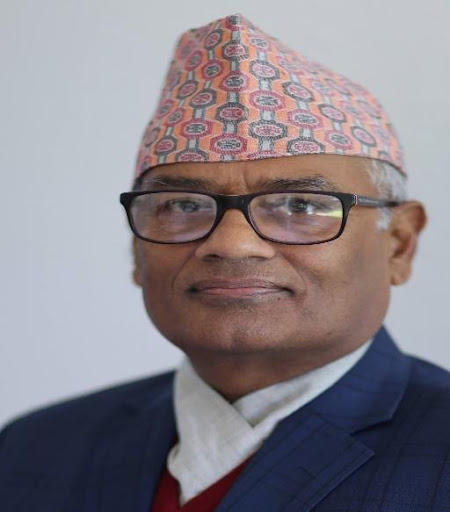

Tue, Oct 27, 2026
Columns
Ensuring food security during turmoil
Least developed and landlocked countries are the hardest hit by the Gulf conflict.
bookmark
Purushottam Ojha
Published at : April 10, 2026
Updated at : April 10, 2026 07:58
The Constitution of Nepal 2015 has designated the right to food as one of the fundamental rights of the Nepali citizenry. Article 36 of the Constitution spells out two provisions related to this right: First, every citizen possesses the right to be secure from life-threatening risk occurring from the scarcity of food, and second, it relates to ensuring food sovereignty in accordance with the provisions of law. Given the importance of food security and freedom from hunger for personal growth, the parliament has also passed legislation to give effect to those provisions of the constitution.
The structure of the Nepali economy has been gradually shifting from the agricultural to the services sector over the last five decades. The share of agriculture in the Gross Domestic Product (GDP) came down to 22 percent in 2025, from around 70 percent in 1975. The incessant outflow of the young population for employment abroad is adversely impacting agricultural activities and production, turning the country into a net importer of agricultural products. Customs data on food import over FY 2024-025, shows that the top import item comprises vegetable oils with a total import value of Rs156.1 billion, followed by cereals (Rs60.8 billion), vegetables (Rs37.7 billion), oilseeds (Rs29.1 billion) and fruits and nuts (Rs25.9 billion). Of these, the import of vegetable oils (comprising crude soybean, sunflower and palm oils) is mainly intended for export, as more than 78 percent of these imported crude oils were exported to India, following their refining. The rise in import volume of cereals, vegetables, fruits and meat products is bridging the gap between growing demand and limited domestic production. Remittances are fuelling such imports.
The widening gap between demand and domestic production of agricultural goods is pushing the country into the vulnerable zone of food insecurity. The impact of the global financial meltdown in 2008, the ongoing Russia-Ukraine war since 2022, and the latest war in West Asia has disrupted global trade, including the supply of food items. The war in Ukraine disrupted the export of wheat, barley and other food crops from this country and the importing countries, particularly the Africans, were compelled to seek alternative markets for sourcing the food grains. Similarly, the Gulf conflict has choked the supply of oil and gas. The Strait of Hormuz, which links the Persian Gulf with the Gulf of Oman, provides passage to 20 percent of the global oil and gas supply. Many countries in Asia and the Pacific largely depend on the supply of petroleum products passing through this strait. The obstruction in supply is bringing about a massive increase in the price of petroleum products, with the concomitant rise in transportation costs and other consumer goods. Second, the production of fertiliser, which is another petrochemical product, is also affected, having a significant impact on the output of agriculture.
Climate change is now emerging as the next challenge in maintaining food safety. The rise in temperature at the global level has impacted the rainfall pattern, irrigation systems and crop yields. The infestation of diseases and pests has increased in many cases, requiring additional plant protection measures requiring intensive application of insecticides and pesticides. The excessive use of chemicals as protection measures may endanger human health, and governments are faced with the challenges of protecting their people from the scourge of hazardous food.
National standards of many developing countries are not fully aligned with the international food standards like Codex Alimentarius, Integrated Pest Protection System, and the standards of animal health developed by the World Organisation of Animal Health (WOAH). Above these, multinational trading companies also set their own standards, normally higher than the international standards. This has made the export trade of small economies vulnerable, as their standards, testing and certification facilities are not up to the scale required in the international markets. On the other hand, poor standards and related quality infrastructures in those countries have contributed to widening trade deficits. Nepal is a case in point as many agricultural products of the country face problems in export on account of the sanitary and phytosanitary related measures on one side, while on the flip side, the absence of effective measures to prevent the inflow of sub-standard items from the neighbouring countries is widening trade deficit, with simultaneous repercussion on public health.
The ongoing international conflicts are having a reverberating impact on the lives and living of the people around the globe. The least developed and the landlocked countries are among the hardest hit by such calamities, mainly due to low productive capacity and high dependency on imports. As a result of war, the supply chain of food products and other consumables is interrupted, domestic and international travel is affected, and consumers suffer due to the adverse impact on their daily lives. Pressure on the foreign currency reserve is increasing to settle the rising bill of imports, consequently weakening the domestic currencies, and exacerbating the problems of inflation. Moreover, the threat often triggers social unrest and political chaos. For a country like Nepal, the imminent fallout would be the return of migrant workers in large numbers from the Gulf countries, which would have ramifications for the receipt of remittances.
In the context of the emerging catastrophic events, the government should consider implementing measures to provide relief to the citizens in the short run and devise medium and long-term plans to cope with the challenges. The short-term measures may include slashing of import duties and value-added tax on food items and petroleum products, and use of the Price Stabilisation Fund to pay the import bill. The medium and long-term strategy could be: Promoting the use of electricity in cooking, heating and transportation, promoting the bio-fertilisers, and encouraging the use of indigenous agricultural products in lieu of imported ones. The programs for increasing the productivity of agriculture, diversification of products, and organic production should be implemented. The national food standards, test and certification scheme should be developed and aligned with the international standards and parameters. This would be the preferred means of curbing the burgeoning import bill of food grains and lessening the trade deficit, also meeting the objectives of ensuring food security for the citizens.
Purushottam Ojha
Ojha served as commerce secretary for the government of Nepal.

Most Read from Columns



Editor's Picks

What to know about the US trial over Mamta Kafle’s disappearance
NPL returns with bigger ambitions and global recognition
What’s new in the Nepal Premier League’s third season?
After Nepal’s recent disaster, it wants to test whether COP31 can deliver climate justice

Why does an hour long flight to Dhangadhi cost more than a flight to New Delhi?
E-PAPER | October 27, 2026

×