



 12.72°C Kathmandu

Fri, Oct 23, 2026
Columns
Flaws in PM Modi austerity appeal—timing, method & onus
Before Indian citizens are expected to follow these austerity measures, the PM must answer some questions.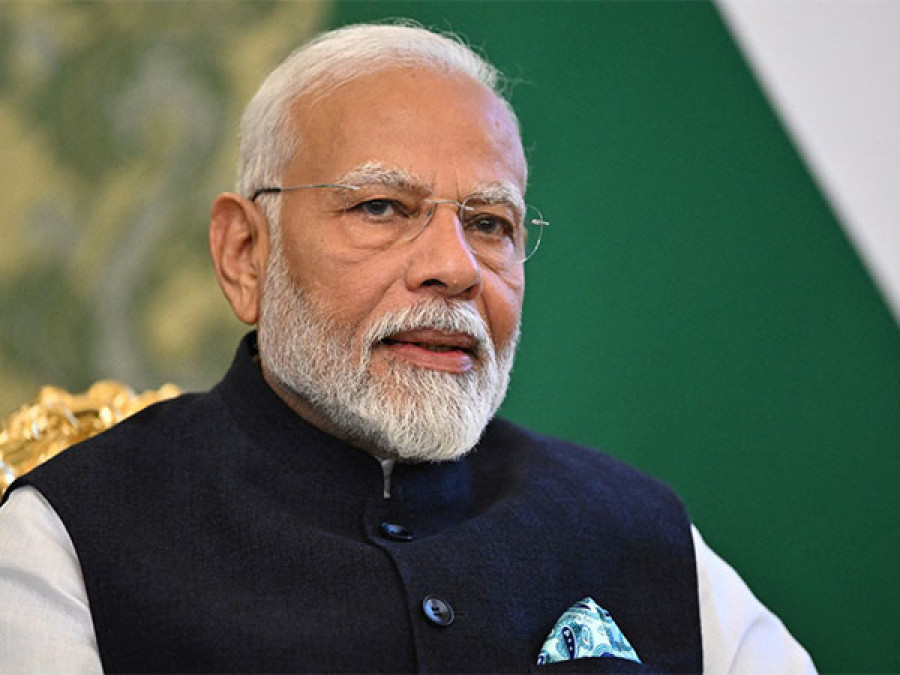
bookmark
Ruhi Tewari
Published at : May 21, 2026
Updated at : May 21, 2026 21:33
Until the Norwegian press briefing furore and the Modi-Meloni-Melody spectacle took over, the dominating headline and discourse in India was Prime Minister Narendra Modi’s unexpected and curious austerity appeal. The PM himself issuing an advisory to the citizens of India to cut back does not just have a significant economic character to it, but also a political and social one. Pervading all levels of the country’s polity, this obviously soon became the only issue everyone was conversing and fretting about, debating and even jostling over.
But, of course, till drama on international shores took over. What chance does any issue stand in front of the brutal drama of a foreign journalist taking on the Indian government and the cringe glamour of the country’s prime minister playing it tongue-in-cheek to present a pack of Melody toffies to his Italian counterpart, taking off from the viral hashtag around them—Modi plus Meloni adding up to Melodi.
These, however, are naturally short-lived conversations, and the PM’s austerity drive is successfully fighting back to regain its spot as the number one subject of conversation.
Earlier this month, the prime minister, in a public address, advised Indians to follow certain austerity measures in view of the continuing crisis in the Middle East and its implications on global energy prices, urging them to work from home, buy less gold, hold online classes for school children and limit foreign travel, among others.
Predictably, the ruling party’s supporters have steadfastly defended PM Modi’s appeal to the nation while its detractors have been unrelenting in their criticism. The real question, however, isn’t whether the PM making appeals in the face of an alarming crisis is objectionable or acceptable. The issue with the prime minister’s advisory is three-fold, and that is where my criticism of it also lies—its timing, its method and where it places the onus. And each of these raises some important questions that remain unanswered.
The timing
Perhaps the biggest problem with PM Modi’s cut-back appeal is its timing—suspiciously managed to suit his party and his political needs. The appeal was conveniently made after crucial state elections had finished and the BJP had fulfilled its ambition of winning wherever it had its eyes set.
The Middle East crisis is neither sudden nor has it unexpectedly escalated or taken a turn for the worse. And yet, the PM abruptly imposed this advisory on people as soon as the election results were declared. No forewarning, no precursor and no consultation. Clearly, the BJP didn’t want to have this conversation in the run-up to elections, and didn’t want even a hint of the message of potential inconvenience befalling citizens going out, lest it upset voters and, with that, its chances of winning a second term in Assam and storming to power in the new territory of West Bengal.
With mission accomplished in Assam and West Bengal and the next set of elections safely 10-odd months away, the BJP figured this was a relatively non-risky time to break the bad news. Naturally, the situation didn’t turn grave overnight. And if the situation was already so grave, the ruling party and its leaders should have desisted from extensive, massive and energy-consuming campaigns and shown frugality in actions. Neither should such big-fat oath-taking ceremonies of BJP chief ministers have been allowed.
Many questions remain unanswered—was the PM not aware of the severity of the crisis ahead of the election? If he wasn’t, then is the government even equipped to lead? And if he was, then did political opportunism and the desire to win elections trump his duty towards the citizens?
The timing of PM Modi’s announcements, therefore, reflects a deep degree of political hypocrisy and betrays the government’s intent of paying lip service rather than taking the onus to lead by example.
The method
What is baffling is the way PM Modi chose to make this austerity appeal. For measures that sound quite extreme, there was absolutely no transparent communication about the extent and implications of the crisis. The PM issued his diktat, couched as an appeal, of course, without taking the trouble of dedicating time in that speech to explain why the country was suddenly facing such calamity, what the extent of the crisis was, what the government was and had been doing to address it and what the future looked like.
The citizens of the country aren’t kindergarten students to whom the school principal can, without notice or explanation, announce a fresh set of disciplinary measures. The government is accountable to its citizens and has an unequivocal duty to maintain transparency and ensure coherent communication, especially if it believes a crisis is on the anvil.
For a PM who claims to work with the motto of ‘Sabka Saath, Sabka Vikaas’, this hardly seemed like a conversation intended to take everyone along instead of just imposing a will.
The question remains unanswered—what is the degree of severity of the crisis, and is the economy crumbling?
The onus of sacrifice
The third issue is with where the onus is being placed. PM Modi has made citizen participation and collective action a key pillar of his governance, and this announcement is very much in that groove.
The PM has consistently invoked citizen participation—the Swachh Bharat initiative, for instance, and even sacrifice—demonisation and the hardship that followed for what was touted as the larger good of the country.
When one’s popularity is on the rise or at its peak, people are often eager to pay heed to and follow appeals, but as popularity plateaus with time, the danger of voters getting tired of this approach and beginning to view this as an inconvenience arises.
There is something discomforting about the government placing the entire onus of making sacrifices on the citizens, without adequate explanation and worse still, without leading by example and at best, showcasing some specious and token measures.
If the PM spent time urging people to make sacrifices and face discomfort, he should have also spent time talking about what the government was doing/had done/was planning to do to ease the burden and to correct the situation. The PM’s job isn’t merely to be a motivational speaker, but to ensure the state is doing enough to protect its citizens from such shocks.
The question, therefore, is: What has the government done so far to protect the economy, what is its roadmap to insulate the country against distress or is the burden entirely on the people?
This isn’t about blindly following the prime minister’s appeal or about showing commitment to the country. In a democracy, citizens ought to be questioning, and the government ought to be accountable. This isn’t a messiah/saviour-follower relationship; this is an equation between a voter and her elected representative. Before citizens are expected to follow these austerity measures, the PM must answer these underlying questions.
Ruhi Tewari
Tewari is a Delhi-based senior journalist and author of ‘What Women Want—Understanding the Female Voter in Modern India’.





Most Read from Columns




Editor's Picks





E-PAPER | October 23, 2026

×