



 21.42°C Kathmandu

Mon, Oct 12, 2026
Culture & Lifestyle
From Kailali to K-pop: HARA’s debut on the Seoul stage
Suchana Bohara, known as HARA, is widely seen as the first Nepali to debut in a K-pop group MEPC, marking a milestone in Nepal’s global music presence.
bookmark![]()
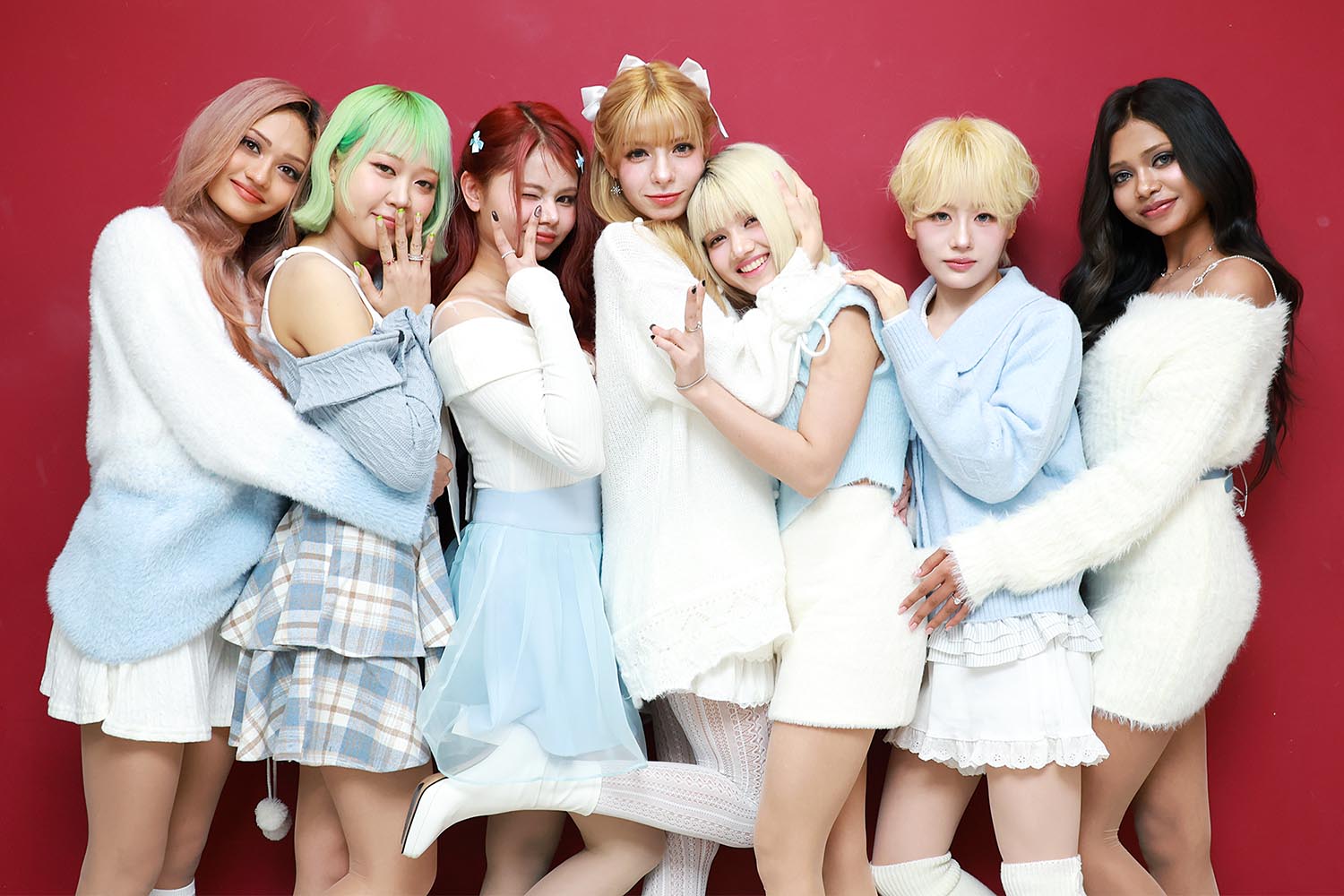
(From left) Band members ZAYLIE, KKEKKE, ANN, SOLMI, HARA, MIHO, and ANIKA. Courtesy of GBK Entertainment ![]()
HARA in the music video of ‘’Truth Seeker’.
Skanda Swar
Published at : April 10, 2026
Updated at : April 12, 2026 13:55
Kathmandu
K-pop may be dominating the world stage, but a young woman from a small district in Nepal is carving out her own place in that story. Suchana Bohara (22), known by her stage name HARA (하라), is widely regarded as Nepal’s first-ever K-pop idol.
HARA was born and raised in Kailali and later moved to Kathmandu to attend high school. She also had the opportunity to study in Darjeeling during her early school years, which marked the beginning of her musical career. “Our teacher used to play the piano while teaching us how to sing,” she recalls. “Those moments stayed with me and became the starting point of my journey with music.”
She had prior experience performing hip-hop dance before discovering K-pop, which gave her a strong foundation in movement and rhythm that proved invaluable later. At the time of her auditions, she was pursuing a bachelor’s degree in Electronics, Communication, and Information Engineering at Pulchowk Campus in Lalitpur.
Around the same time, she heard a K-pop song that would change her life altogether. “When I heard ‘Pink Venom’ by my seniors BLACKPINK, I was really drawn to the beat and flow of the song,” she says. “That prompted me to audition”. What followed was a training programme and selections and final voting online, a torturous yet redemptive journey that would one day take her out of Kathmandu to the Seoul stages.
HARA is a member of the girl group MEPC (맵시), established under GBK Entertainment. MEPC is a seven-member multinational girl group, which is based on a Korean idiom that translates to dress stylish, to look good, to be chic, and the name is also an acronym of My Escape Point C. By March 2024, all the chosen members had arrived in South Korea and were in training to make their official debut. Eventually, on December 8, 2025, their first album, ‘First Fragment’, was released.
Adapting to life in South Korea was not easy. “The food tasted very different, and the language was the biggest challenge,” HARA admits. Yet she found unexpected comfort in the environment. “The weather and climate reminded me a lot of Kathmandu,” she says. Throughout it all, her Nepali identity has been the core of who she is as an artist. She says her Nepali background and ethnicity are reflected in her expression.
“Nepali music has its own unique identity and sound. I feel really grateful that I’ve been able to experience and explore two different styles of musical expression.” To stay grounded amid the relentless demands of idol life, she makes a point of listening to Nepali songs, a practice she describes as essential to maintaining her sense of self.
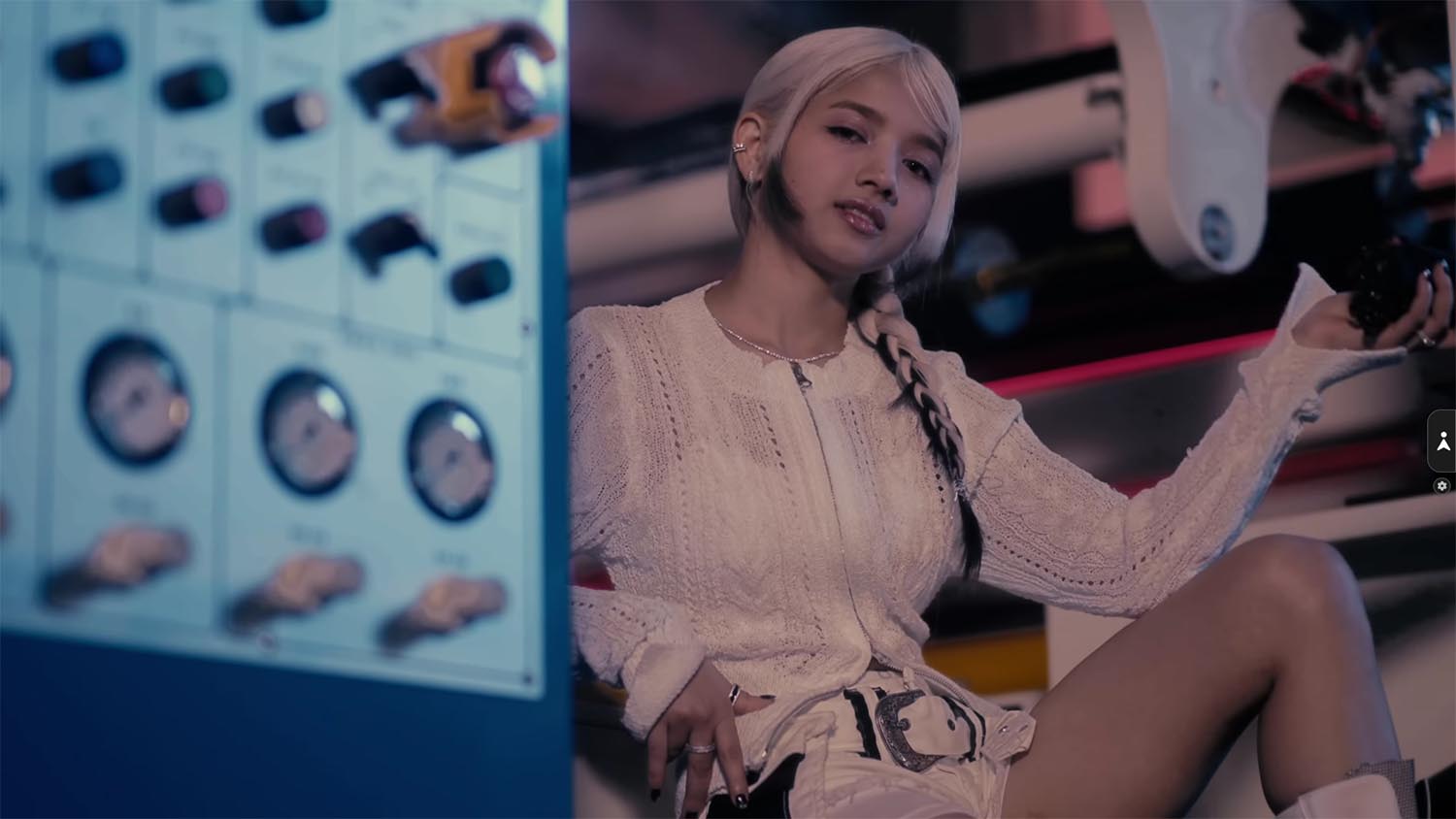
Since its debut, HARA and MEPC have consistently made their mark in the Korean music scene. She describes with special pride appearing onstage on Korean music broadcasts. “Getting the opportunity to perform on music shows in Korea and being able to introduce K-pop as a representative of Nepal is something I value,” she says. She is also passionately devoted to the group. “MEPC is my priority. I am fully dedicated to the group and our objectives.”
The group has expanded its roles beyond music. Recently, MEPC became the Honorary Ambassadors of Cheonan City FC, a South Korean football club based in Cheonan.
“As an artist, I feel that we should be able to change and learn to respect one another’s culture, as we are all human and equal,” she says. What she tells young Nepali musicians who aspire to reach the international stage is both grounded and surprising: “You can become overwhelmed and lose your direction when you take in too many opinions. So, I would say it’s important to trust yourself and do your best. When a company recognises your potential, it will give you the opportunity to showcase it.”
From a classroom in Darjeeling where a teacher used to play the piano to the glaring lights of Korean music TV shows, HARA’s career is an ideal case study of what can be achieved with talent and will. She not only crossed geographical boundaries but cultural ones, and she did it with a Nepal flag in an industry that, just a few years before, seemed like a far-off hymn sea beyond the Himalayas.



Most Read from Culture & Lifestyle

It’s a bird … it’s a plane … it’s the Indian ambassador’s farewell tweets

‘Tenzing’ puts the Sherpa at the centre of the Everest story
How should Nepal navigate a world in reorder? Rajib Upadhya on geopolitics and foreign policy
How Anup Poudel took Nepali cinema to Cannes
A Nepali photographer rediscovers Calcutta after decades
Editor's Picks

Constitutional Bench caught in seniority, ‘pick and choose’ dispute

A Dom boy’s long road to becoming a doctor

From blankets to handmade dolls, two foreign women bring comfort to flood survivors

News Analysis: When institutional defence exposes institutional fault lines
It’s a bird … it’s a plane … it’s the Indian ambassador’s farewell tweets
E-PAPER | October 12, 2026

×