Bringing emerging Nepali filmmakers into the mainstream cinema spotlight, the Bhaktapur Film Festival, on March 20 and 21, showcased 24 independent Nepali films and documentaries, fostering cultural exchange, connecting production teams with audiences, and celebrating art and film culture. The screenings drew a diverse audience of students, filmmakers and cinema enthusiasts, many of whom actively participated in the discussions with the directors.
Together, the films screened on the opening day demonstrated the breadth of independent Nepali cinema. Here are three films screened on the first day of the festival:
No Winter Holidays
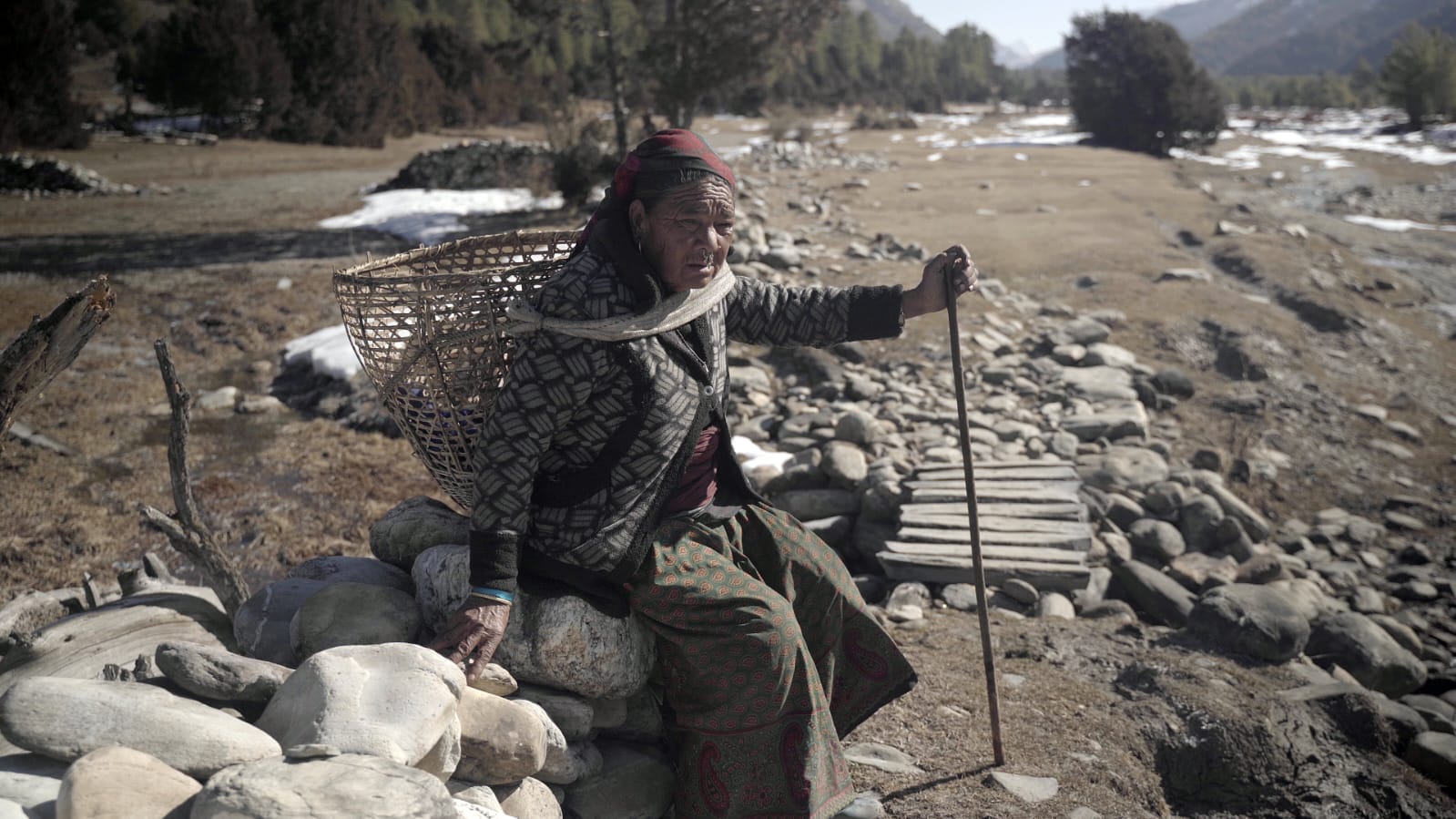
Following the stories of Ratima and Kalima, the documentary film showcases these two women, the village’s only remaining caretakers during the harsh winter storms. Escaping winter, almost every villager migrates from Dhor to a warmer place. The two lives that remain gradually accept each other’s presence and ways of being, with rather quirky encounters, as they are married to the same person, who is absent from their lives and from the lands of Dhor.
Having been left behind and on guard, these women navigate the brutal winter, singing folk songs, cursing at each other, finding the last remnant of green, and simply accepting old age and loneliness. They connect with nature—animals, particularly cows, as they are the only other living organisms in the village.
Rajan Khatet and Sunir Pandey, the documentary’s directors, were inspired by the second episode of Herne Katha. This independent web documentary series captures the raw and emotional stories of ordinary people and marginalised communities. The episode, similarly, explores the lives of those who remain in Dhorpatan during winter.
“Will you stay here if it snows like this next winter?”
“Next year, I will come to Kathmandu.”
The documentary does not follow a vigorous dramatic arc. Instead, it remains raw and raises quiet yet persistent rhetorical questions about the value of the villages, which are increasingly abandoned by their residents. “We wanted to show how Nepal has become like an old-age home,” shares Pandey.
With multiple tracking shots of the women, the documentary beautifully frames the landscapes of Dhor. Spending around 70 to 75 days in the village, the filmmakers found that creating a comfortable environment for capturing the women’s daily lives was a gradual, steady process.
________________
No Winter Holidays
Directors: Rajan Kathet, Sunir Pandey
Duration: 1hr 19min
Year: 2023
Kalpavrikshya
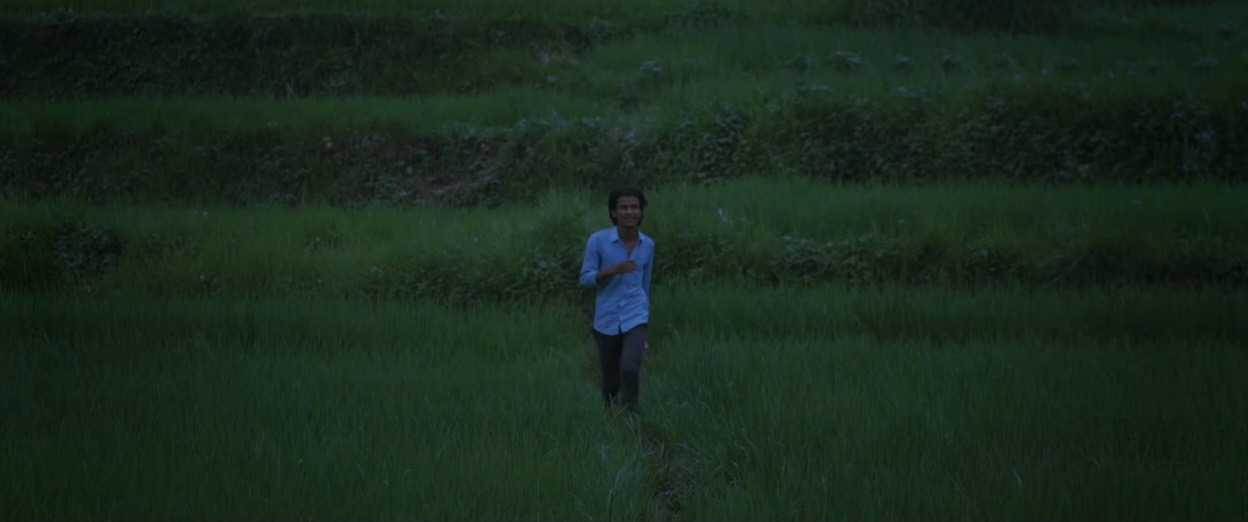
Fitting a complex time-travel narrative into a 41-minute film is commendable. From 2048 to 2050 to 2047 and back to 2048, the film oscillates in an enchanting rhythm.
Divided into three chapters, which are also the names of the main characters, Chakra (Cycle), Chahana (Desire) and Atit (Past), the film follows a mythological narration about a tree, Kalpavriksha, recited by Indra—“the character around whom the entire story revolves” as shared by the filmmakers. Kalpavriksha, believed to fulfil any human desire, becomes a thin, permeable line connecting the past to the present and the future.
The force driving the Chakra’s time-travel shifts from confusion and curiosity to love. In the future, he is bound to meet his classmate Chahana, whom he falls for. Being head over heels for love, he constantly approaches the tree to simply spend time with her.
Atit is a mutual friend. He, too, is attracted to Chahana. Navigating the unusual presence of Chakra, he coincidentally figures out the time-travelling mechanisms. Consequently, through his desperate acts and extreme measures, the film culminates in a pivotal plot twist.
The film takes the audience on a rollercoaster journey from warm dialogues and vivid, colourful shots to an unexpected crime-thriller turn. Classic Nepali music amplifies the film’s romantic essence.
The central theme reflects how we use the chakras to get what we desire. The film vividly showcases the landscapes of Surkhet, imagining how it would have looked in the 2040s. However, a few drawbacks in the timeline’s projection remain.
Shot in 2021, the film, directed by Diwas Poudel, explores the themes of faith, memory and the fragile connection between humans and nature.
________________
Kalpavrikshya
Director: Diwas Poudel
Duration: 41 min
Forever in my heart
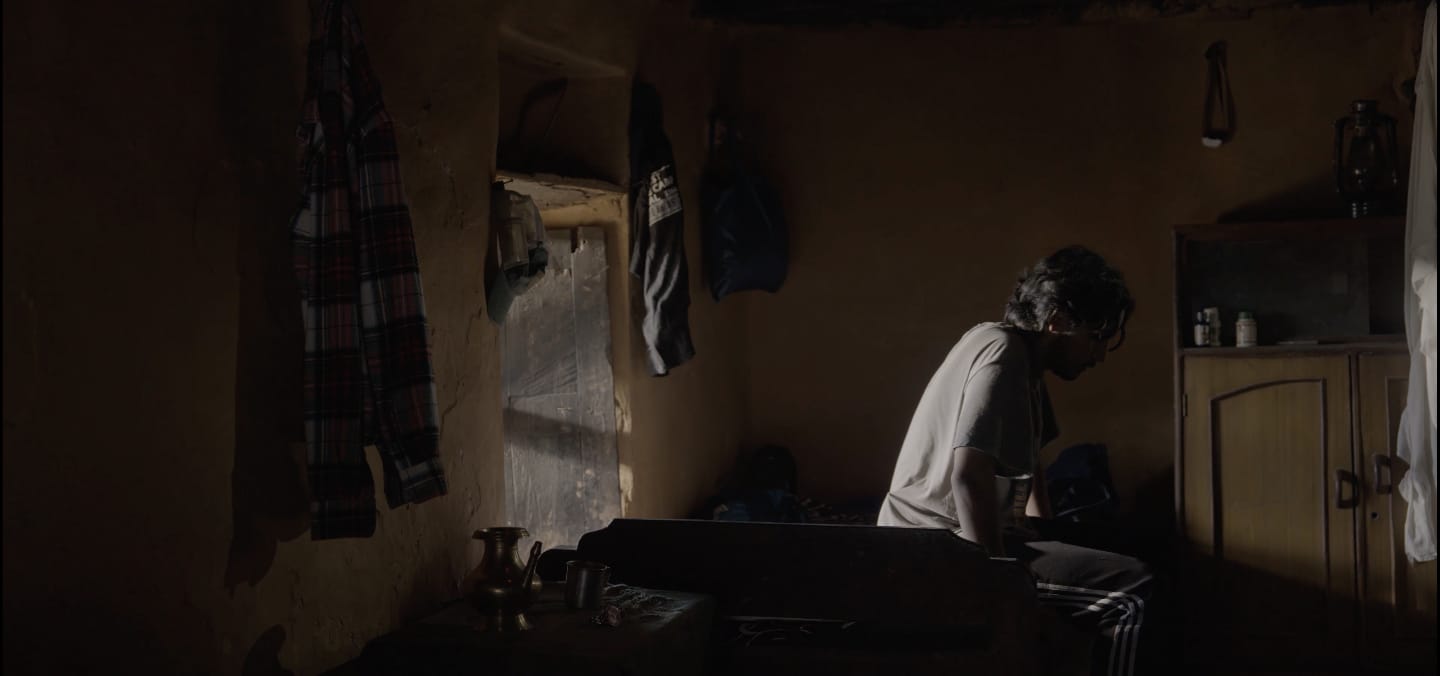
Bringing grief and supernatural horror into the festival lineup, ‘Forever in my heart’ follows the story of Siddhant, a man haunted by the death of his wife in a car accident caused by his camera’s flashlight. Overwhelmed by guilt and grief, the 25-year-old ‘Sid’ goes back to his hometown to live with his father, unable to move on from the tragedy.
One day, Sid hears a story of a weeping village where a gururesides. The guru can bring back the dead if given certain compensations. Unaware of the consequences this ‘black magic’ would invite, Sid went on a journey, searching for the guru’s cave.
Sid had always dreamed of taking his wife, Shraddha, on a trip before her passing. Through the film’s gothic spiritual arc, he eventually fulfils that wish, but at a devastating cost.
While the film captures the horror atmosphere effectively, the cinematic flow between the scenes and the dialogue exchanges could have been more polished.
Obeid Uddin, the director of the film, shares in the latter discussions that the shooting process had to be improvised off the cuff, yet the challenges ultimately pushed the team to experiment and explore, crafting an uncanny atmosphere that amplifies the film’s supernatural tension.




 24.95°C Kathmandu