Why he keeps returning to the forests and mountains
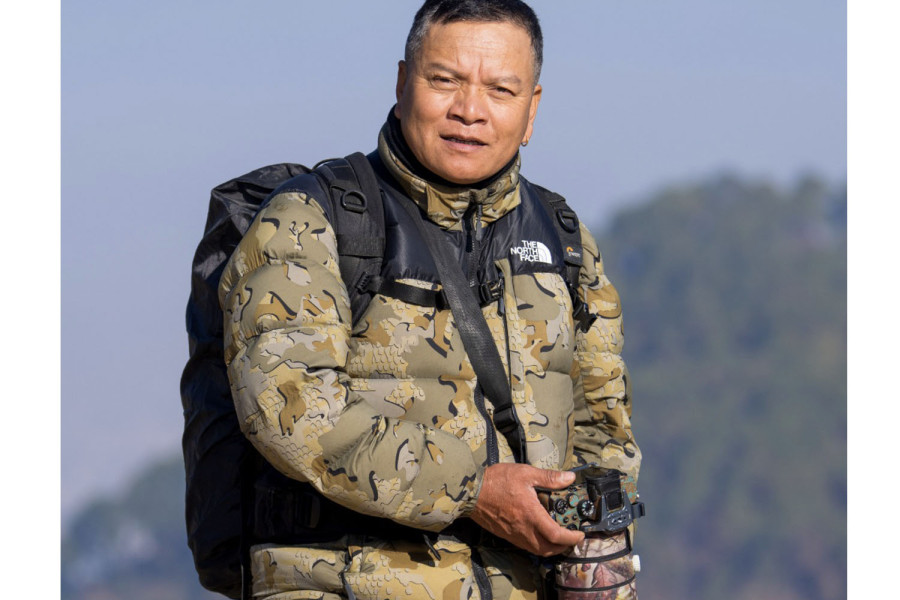
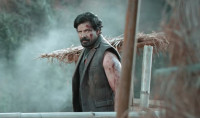
Pratap Gurung’s journey from a runaway teenager and trekking porter to a naturalist, bird guide, and wildlife photographer is rooted in a lifelong pull towards the mountains, where he feels most alive. Photos: Courtesy of Pratap Gurung
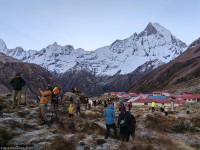
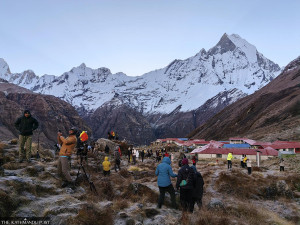
Pratap Gurung breathes better above 3,000 metres. In the city, the air feels dense and restless, as if it presses against his chest. In the mountains, he says, his body settles into itself. “Up there, I feel strong,” he says. “Breathing becomes easy. I never feel like giving up, no matter how dreadful the trek is.”
Gurung is a naturalist, wildlife photographer, and bird guide. But his life in nature did not begin with a plan. It began with running away.
He was born in Dhading and came to Kathmandu in 1994 after failing grade eight. His father’s scolding cut deep. Unable to tolerate it, he ran away from home with no clear destination in mind. “I was not scared,” he recalls. “I just wanted to leave.” Kathmandu, however, was harsh. He struggled to survive, sleeping on the streets on some nights and going hungry on others. For a while, he worked in restaurants around Ratna Park, washing dishes and doing odd jobs. His family had no idea where he was or what he had become.
Luck arrived in the form of familiarity. He met someone from his village, then later an uncle in Thamel who suggested he try trekking. That conversation set him on a path that would define his life. Gurung began working as a porter in 1994, carrying loads that often weighed around 40 kilograms. “In those days, there were no hotels on the trail,” he says. “We carried everything ourselves.”
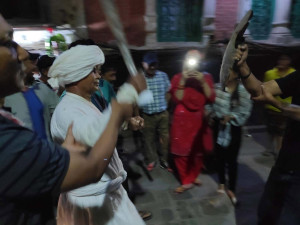
The work was physically punishing, but the atmosphere was alive. Evenings were spent singing folk songs like ‘Resham Firiri’, playing the madal, and watching tourists dance around campfires. “Guests were fun back then,” he says, smiling at the memory. “Camping was expensive, so people who came were serious about travelling.” Today, he feels trekking has changed. “The number of tourists has increased, but the quality has decreased. People bargain over rooms that cost less than Rs1,000.”
‘Birdwatching is meditation,’ he says. ‘Once you start, you forget your sorrows. You do not have time for negative thinking.’
From 1998 to 2010, Gurung worked as a sherpa, leading trekking groups. His role required him to walk ahead of guests after lunch to set up camps before they arrived. He completed guide training in 2002 and spent much of this period guiding tourists in Tibet, travelling to Mount Kailash, Lake Manasarovar, and the ancient Guge Kingdom. Gurla Mandhata became the highest peak he ever climbed.
Tibet left a lasting impression. “It is a cold desert,” he says. “The biodiversity is very different from Nepal, and that fascinated me.” Getting to Manasarovar without paying anything felt miraculous. Mount Kailash, which he had only known through stories from the Swasthani, stood before him in stark reality. “Doing the parikrama around Kailash gave me happiness,” he says. At the time, he could not afford a camera. “I still regret not taking photos. I want to go back one day and capture it.”
Today, bird guiding and wildlife photography are his priorities. When he is not doing either, he treks.
By 2010, the work began to exhaust him. Trekking routes in Tibet grew crowded, regulations tightened, and organising guides became increasingly difficult. Gurung returned to Nepal and began trekking extensively within the country, covering almost all major hills and mountains except Kanchenjunga and Api Saipal. Around the same time, he quit alcohol. “After I stopped drinking, my friend circle changed,” he says. “My life also changed.”
In 2011, he encountered a group of birdwatchers. Initially, he dismissed the idea. “I used to say, what is there to watch in birds?” he laughs. But curiosity drew him in. Learning about species, their behaviour, migration patterns, and gender distinctions slowly transformed how he saw forests. “Birdwatching is meditation,” he says. “Once you start, you forget your sorrows. You do not have time for negative thinking.”
When he shared stories of rare birds with friends, they doubted him. “They asked me for proof,” he recalls. To answer them, he picked up a camera. By the end of 2012, photography became part of his life, first as documentation, then as a passion. Wildlife photography soon followed, especially during trekking off-seasons.
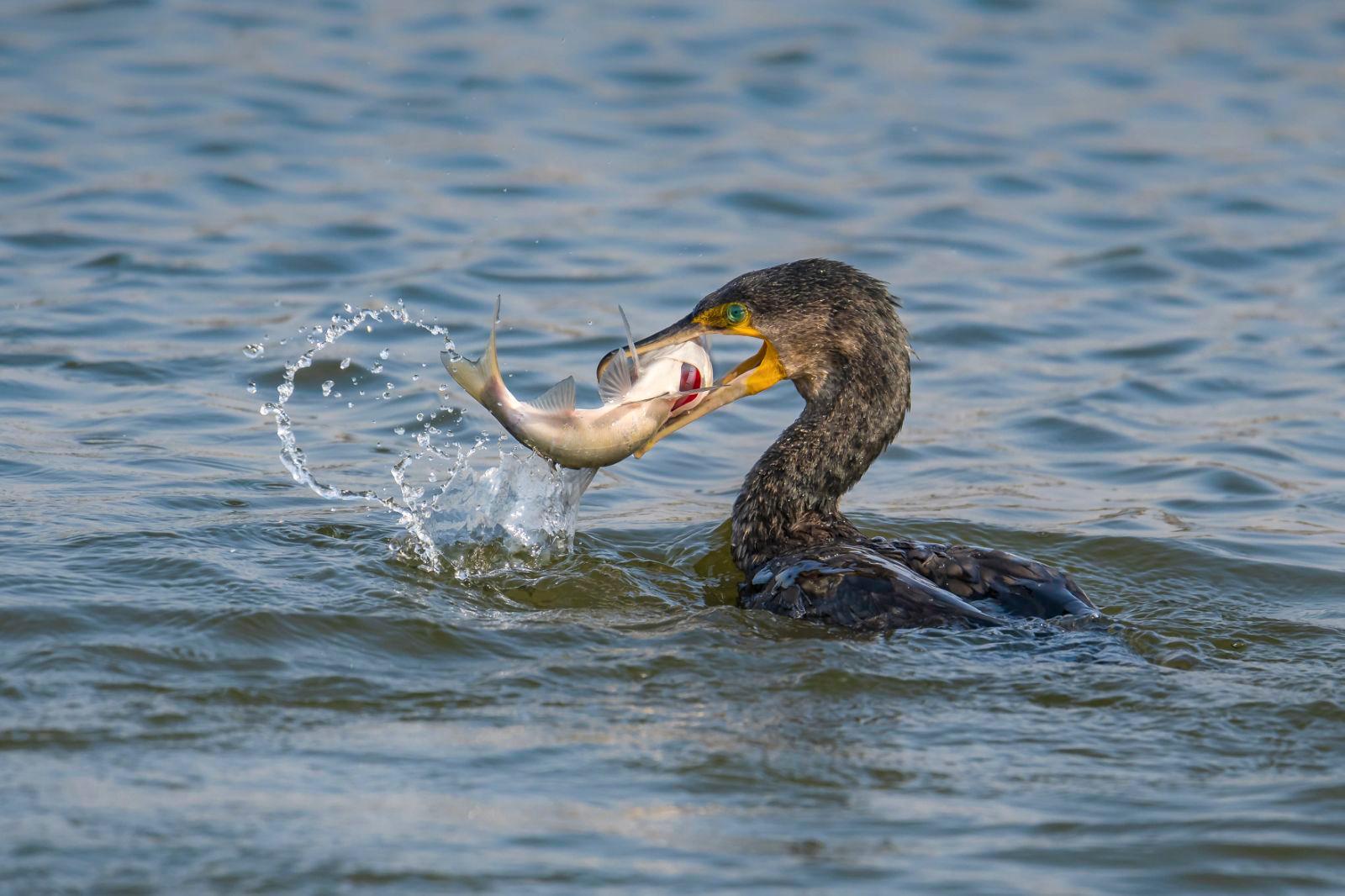
At Taudaha, he once waited four hours to photograph a cormorant lifting a fish from the water.
Today, bird guiding and wildlife photography are his priorities. When he is not doing either, he treks. His relationship with photography has evolved. “Earlier, I waited hours for the perfect shot,” he says. At Taudaha, he once waited four hours to photograph a cormorant lifting a fish from the water. “That photo still makes me proud.” Now, he photographs mainly to record moments. “These days, birdwatching itself matters more to me.”
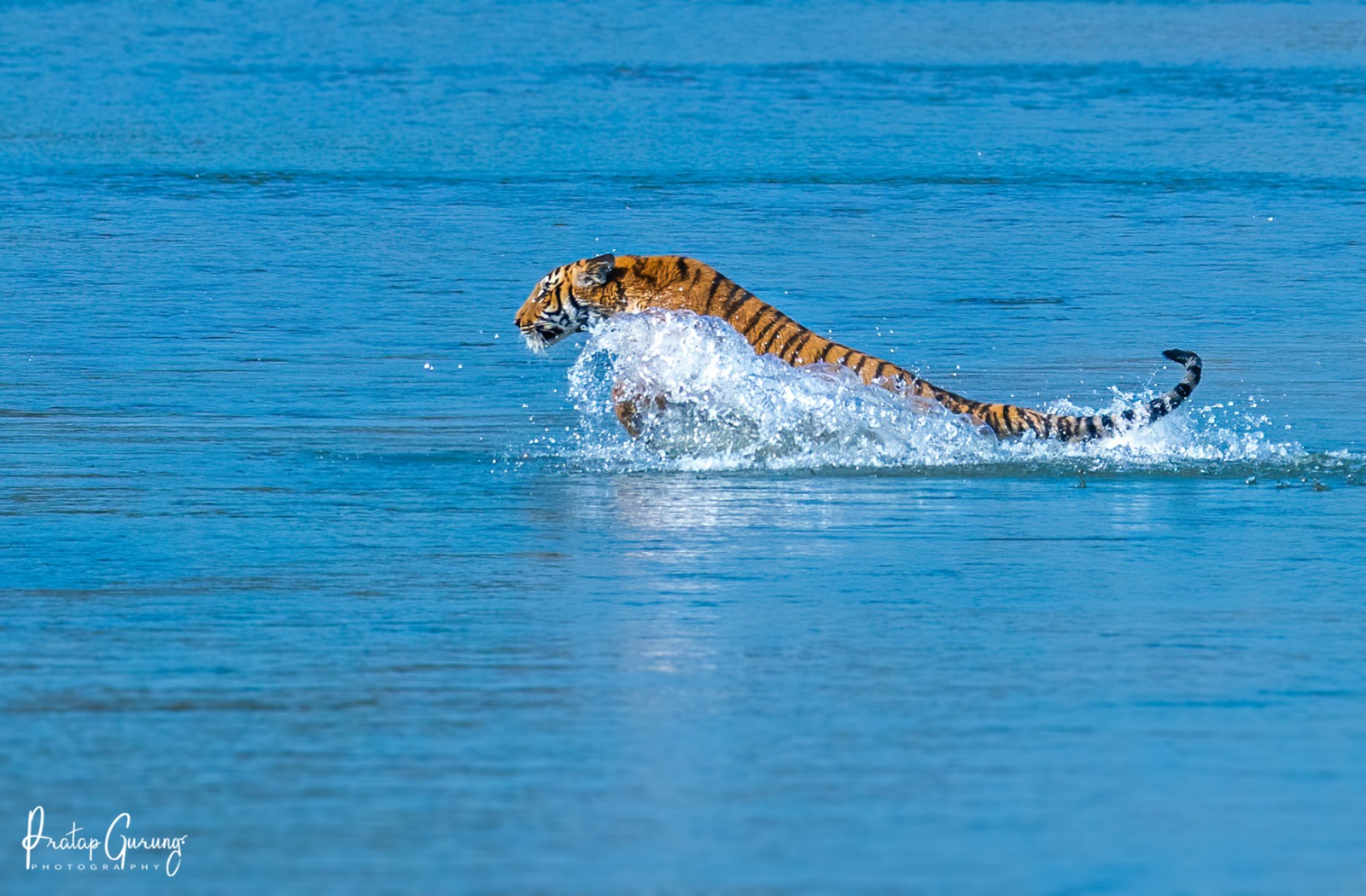
Chitwan taught him patience. For eight consecutive years, he travelled there without seeing a tiger. “People say the tiger is the most dangerous animal,” he says, “but for eight years, I did not see even one.” After Covid-19 pandemic, he switched from a Nikon to a Sony camera. Within a week, he returned to Chitwan. During a jungle walk, local guide Raju Tamang suddenly whispered, “Tiger, Tiger, Tiger.” Gurung did not believe him at first. Then he saw it sitting calmly. “It was like a dog,” he says. “I was not excited at all.” Had it been standing, he says, it might have felt more dramatic.
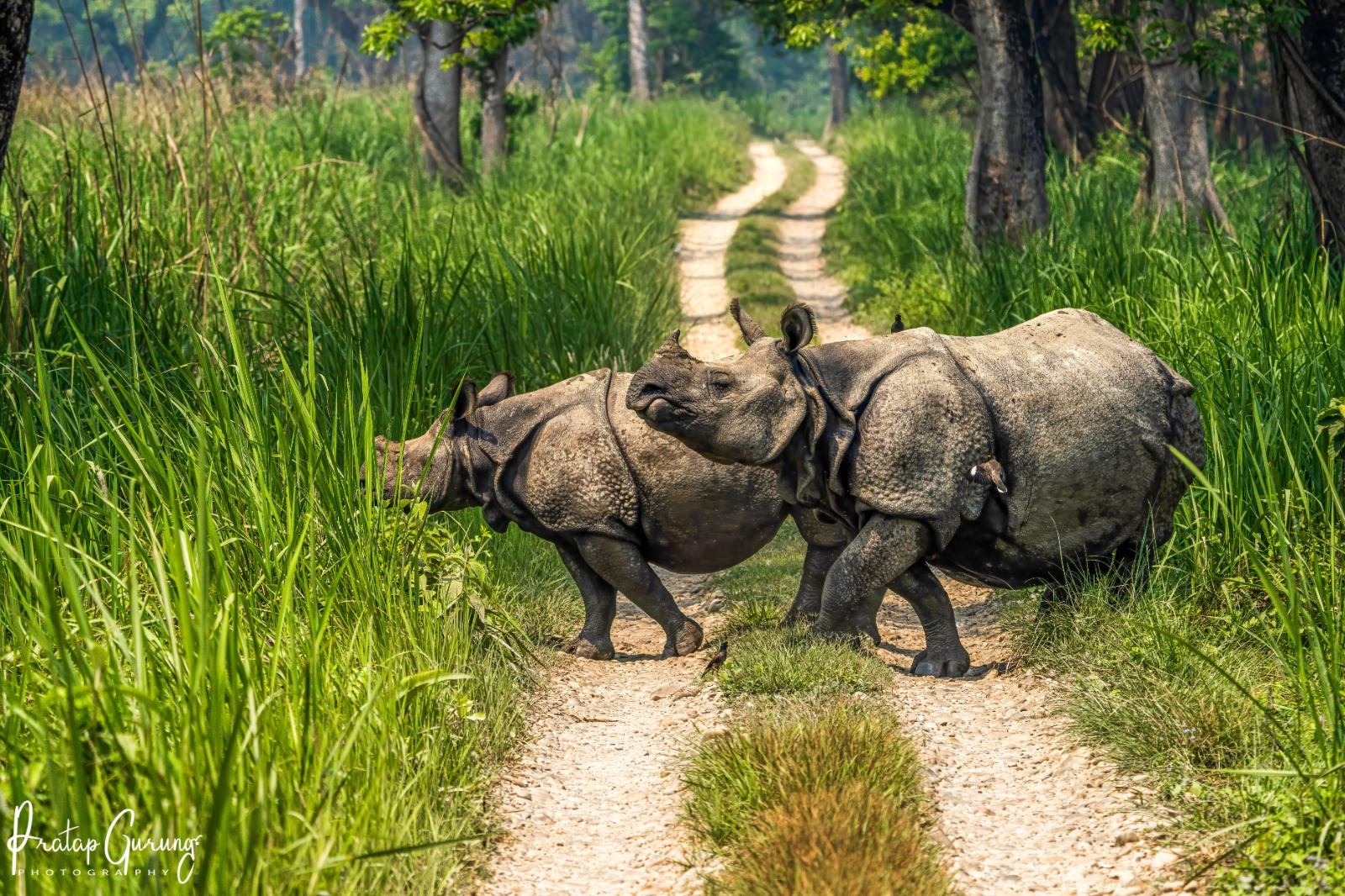
Now, he sees tigers regularly. Once, one stood just two metres away. “If it had jumped once, I would have been its prey,” he says calmly. Yet he felt no fear. “I strongly believe tigers do not attack humans face-to-face.” Elephants and rhinos, however, terrify him. He has been chased by the notorious Dhurbe elephant and once narrowly escaped another while driving with the late Chungba Sherpa. “If I had shouted, anything could have happened,” he says. “So I stayed calm.”
What unsettles Gurung most today is poaching, particularly of birds. “Poaching does not only happen to animals,” he says. During the Mardi Himal trek, while searching for the Himalayan monal, he came across five ropes laid near the bird’s drinking spot. “I had gone there to capture its beauty,” he says. “Before I even saw the bird, I saw the traps, and I felt like crying.” He photographed the evidence and reported it to the relevant authorities, but no action was taken.
With a group of friends, Gurung later led the Save Nagdaha campaign on social media, raising concerns about the removal of grasses that birds depend on for habitat and food. He recalls a time when Taudaha, with no walls or fencing, hosted as many as 19 duck species. “Today, seeing even five species feels rare,” he says. Despite the army’s presence in Pulchoki, nets are still frequently found in the area. Bears, barking deer, kalij pheasants, and piura hemispingus once came freely to drink water there. “Now, hunters wait for them,” he says.
Yet Gurung refuses to surrender to despair. He believes birdwatching tourism holds immense potential in Nepal, particularly among retired, well-off travellers willing to invest time and resources. “If we promote birdwatching properly, more tourists will come,” he says. Within the Kathmandu Valley, places such as Shivapuri, Pulchoki, and Godavari remain rich birding sites, though he avoids sharing exact locations publicly. “Sharing specific locations can harm birds,” he explains.
His future is simple. “I want to be in nature,” he says. Surrounded by mountains and birds, up there, the air is cleaner, his breath deeper, and life, finally, feels light enough to carry.
Sanskriti Pokharel, a former reporter and sub-editor at the Post, is a final-year student of Journalism, Mass Communication, and English Literature at St. Xavier's College, with experience in media, research, and communication.




 25.95°C Kathmandu