16.46°C Kathmandu
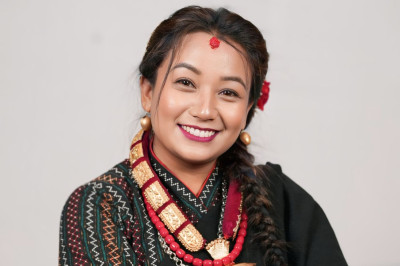
Keeping Nepalbhasa and Ranjana script alive
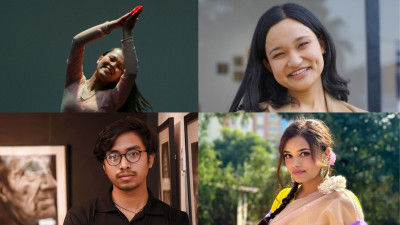
Through education, media, and digital initiatives, Nitu Dangol is working to revive Nepalbhasa and traditional scripts among younger learners.
Through education, media, and digital initiatives, Nitu Dangol is working to revive Nepalbhasa and traditional scripts among younger learners.
Keeping the skincare routine minimal but consistent can help maintain healthy skin during travel.
From personal memories to city streets, artist Bidhata KC turns everyday experiences into questions about identity, culture and society.
Short-form content offers wider reach, but artists today are tackling pressure to stay visible on social media while trying to protect the integrity of their craft.
The film tries to unpack migration’s psychological toll, even as its storytelling feels rushed in parts.
UNESCO representative to Nepal, Jaco du Toit, reflects on reading Nepali literature to understand the country beyond policy frameworks, and how stories reveal emotional truths that reports often miss.
At Kausi Theatre, actor Pashupati Rai anchors a demanding two-hour solo performance that exposes the emotional cost of navigating law after trauma.
As manuscripts face threats from disaster and neglect, youth volunteers and heritage experts are working together to revive Nepal’s historical scripts.
Staying long hours in front of phones and laptops may speed up ageing, cause pigmentation and weaken the skin barrier.
Through events like the annual Ekam Shivaratri, Bhajan Sanjh reflects a new way Kathmandu’s youth are experiencing spirituality.
Many young Nepali couples celebrate Valentine’s Day discreetly, navigating watchful relatives, social judgment and the risk of being reported at home.
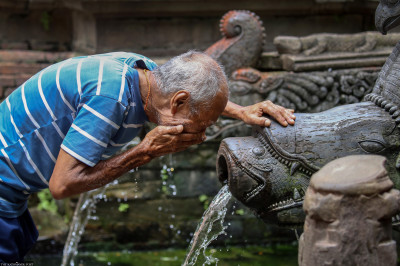
Once taken for granted, the Valley’s traditional stone spout system are now drawing renewed public attention as residents begin to recognise their cultural value and practical role in a water-stressed valley.
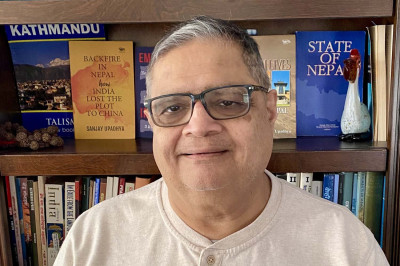
Journalist and author Sanjay Upadhya reflects on writing beyond deadlines, understanding Nepal from abroad, and tracing the country’s political journey in his books.
A restrained romantic drama carried by sincere performances and rooted in themes of trauma and social stigma.
By taking intentional pauses through small daily activities, we can restore focus and regulate stress.

.jpg&w=400&height=267)