RSP statute gives chair power to remove parliamentary party leader
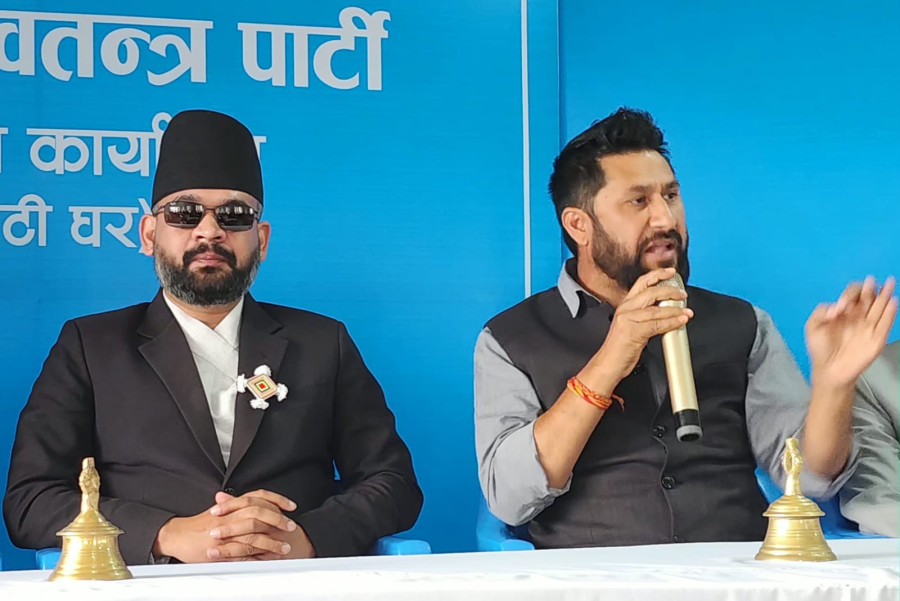
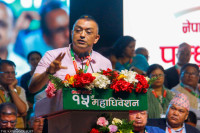
Party’s newly approved statute says parliamentary party leader’s position will automatically become vacant for failing to follow policy directives issued by the chair. Post file photo
Nepal’s ruling Rastriya Swatantra Party (RSP) has introduced a provision in its party statute under which the parliamentary party leader’s position will automatically become vacant if s/he fails to follow the party chair’s policy directives.
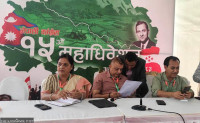
The provision was included in the statute approved by the party’s first national convention, held in Chitwan from June 21 to June 27. The statute states that the parliamentary party leader can lose the position for failing to comply with the chair’s policy guidance.
RSP is led by chair Rabi Lamichhane, who was elected unopposed at the convention. Balendra Shah is the parliamentary party leader. Under a seven-point agreement reached between Lamichhane and Shah on December 28 last year, it was agreed that the chair will lead the party, while the senior leader will lead the government.
The party statute states that failure to follow policy directives issued by the chair will automatically result in the parliamentary party leader losing the position.
Section 68of the statute deals with the removal and recall of the parliamentary party leader. Section 68 (1) lists the circumstances under which the position of parliamentary party leader will become vacant. It states that the leader will automatically be removed from the post in the following situations:
(a) If the person submits a written resignation from the post of parliamentary party leader or dies.
(b) If the person ceases to be a member of the relevant federal parliament or provincial assembly, including cases where their parliamentary membership is scrapped or their term ends.
(c) If the person leaves the party or is expelled from the party.
(d) If, while leading the government, the person loses a vote of confidence in the parliament.
(e) If the person fails to follow the policy directives issued by the party chair as mentioned under Sub-clause 3 of Clause (a) of Section 11 (A )of this statute.
(f) If the parliamentary party passes a recall motion or a no-confidence motion against the person.
Section 11 (A) of the statute defines the duties, responsibilities and powers of the party chair. Sub-clause 3 of Clause (a) of the section states that the chair must coordinate between the party and the parliamentary party.
The provision states: “To ensure ideological, policy and political coordination between the party and the parliamentary party. If the party chair is not the leader of the parliamentary party, the chair shall provide necessary policy guidance to the parliamentary party to ensure effective representation and implementation of the party’s official policies, principles, decisions and positions in parliament. Compliance with such guidance shall be the mandatory duty of the parliamentary party, the parliamentary party leader and its members.”
Under Section 68 (1) (e), the statute approved by the RSP’s national convention allows the parliamentary party leader’s position to automatically become vacant if the leader does not follow policy directives issued by the chair.
The statute also includes a provision allowing the parliamentary party leader to be recalled. If a recall process is approved, the parliamentary party leader’s position will automatically become vacant.
The RSP made the statute public through its official website only on Monday. The document had not been released publicly before.




 20.85°C Kathmandu