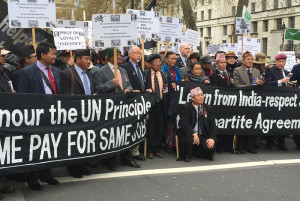
Dozens of privately operated newspapers launched a symbolic nationwide strike on Monday, condemning the government’s mandate to funnel all official advertisements and public notices exclusively through state-owned media.
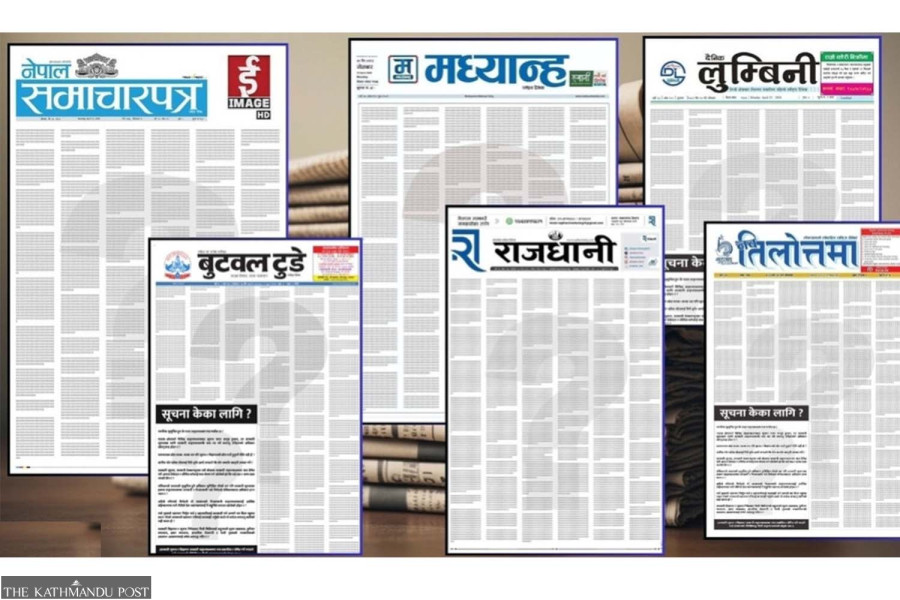
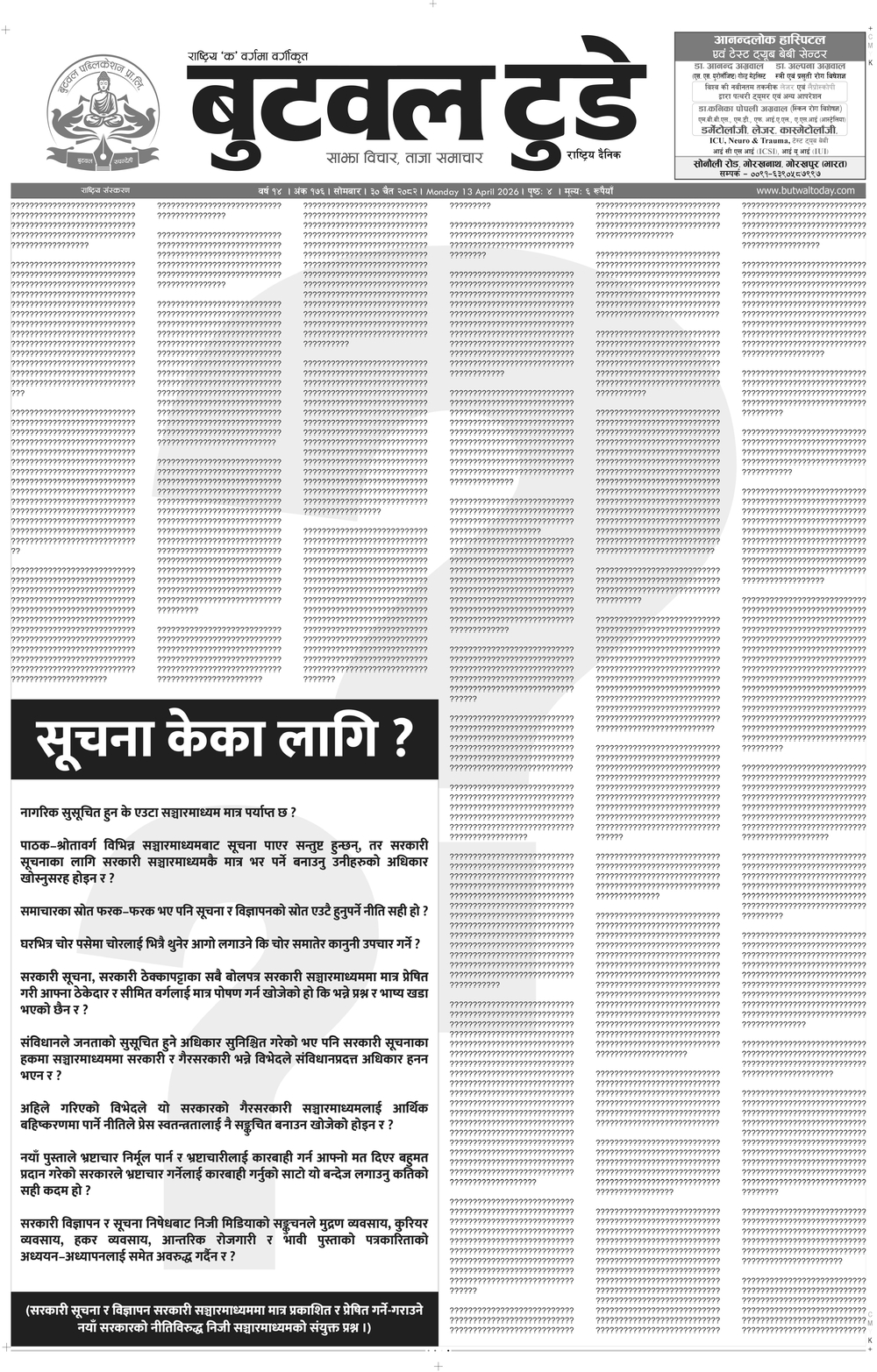
In their April 13 editions, numerous national and regional dailies obscured their front pages with massive question marks. By replacing headlines and body text with these symbols, the publications broadcast a unified opposition to the restrictive policy. Participants in the coordinated demonstration included Nepal Samacharpatra, Rajdhani, Madhyanha, Dainik Lumbini, Butwal Today, Dainik Patra, Mechikali Sandesh, and Navakshitiz, among others. Notably, Nepal Samacharpatra also featured an open letter directly addressing the prime minister.
The backlash stems from an April 1 directive issued by the Office of the Prime Minister and Council of Ministers, which ordered public entities to bypass private outlets in favour of Gorkhapatra, Radio Nepal, and Nepal Television. While the government maintains the move will slash public expenditure, standardise advertising, and fortify state institutions, the private sector views the move as a strategic blow to independent journalism.
Media houses have denounced the decree as a frontal assault on press freedom and the right to information. They contend that bottlenecking official information through a handful of state-controlled channels erodes pluralism in the media landscape. In their editorial protests, newspapers questioned the efficacy of a single-source information stream, arguing that a healthy democracy relies on a diverse array of news sources to keep the public informed.
The industry also sounded the alarm over the severe economic repercussions, warning that the policy jeopardises the entire media ecosystem—from printing plants and distribution networks to street hawkers, couriers, and journalism schools. Furthermore, several publications interrogated the government’s underlying motives, suggesting the shift could centralise control over public procurement and diminish transparency.
Data from the Advertising Board Nepal reveals that the total government advertising budget sits at Rs10.39 billion, though discounts bring the effective expenditure down to Rs4.84 billion. While the board claims private outlets collectively receive roughly Rs3.84 billion compared to Rs 1billion for Gorkhapatra, private publishers insist their actual take-home revenue is significantly lower.
Media operators further allege that approximately Rs3.25 billion of the remaining funds is either “lost in transition” or siphoned off through systemic corruption. Operators noted they have consistently lobbied for the elimination of these financial irregularities, expressing deep frustration that the government opted for an advertising ban rather than addressing the corruption within its own ranks.




 14.21°C Kathmandu