



 22.92°C Kathmandu
Tue, Sep 29, 2026
Health
Nepal cancer patients fight for survival as chemotherapy drugs are nowhere to be found
Most of the contact numbers of suppliers, made public by the Department of Drug Administration, go unanswered, relatives complain.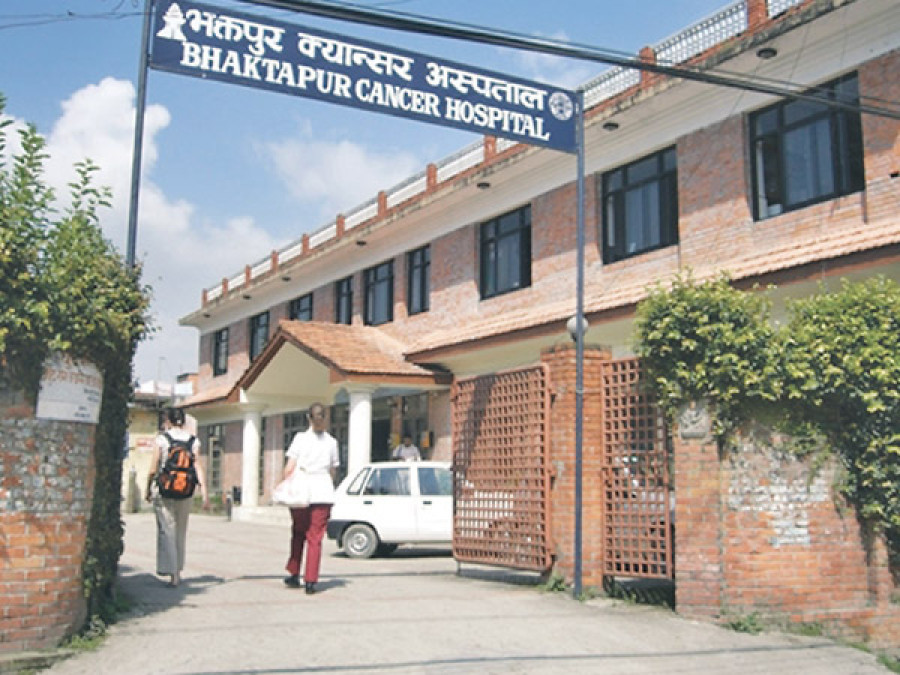
bookmark
Arjun Poudel
Published at : June 17, 2026
Updated at : June 17, 2026 06:44
Kathmandu
Janak Khatiwada, a resident of Galchhi Rural Municipality-3, in Dhading reached various places of Bhaktapur, Lalitpur, and Kathmandu on Tuesday seeking a single dose of cisplatin, a platinum-based chemotherapy drug needed for the treatment of his wife struggling with liver cancer.
He visited suppliers at Bhaktapur Cancer Hospital, and in Kupandole, Jawalakhel and Sanepa of Lalitpur, and Sundhara, Teku, Tripureshwar and Kalimati of Kathmandu to plead for cisplatin but returned without the medicine.
“I woke up at 5 am and went from one hospital to another and to the addresses of suppliers in the hope of finding a single dose of cisplatin, but I couldn't get it anywhere,” said Khatiwada. “I have neither been able to find the medicine for treatment of my wife nor got time to eat anything until now [at 2 pm].”
It's for months that Nepal has witnessed an acute scarcity of platinum-based chemotherapy drugs, including cisplatin, carboplatin and oxaliplatin, that are used in the treatment of various kinds of tumours, including ovarian, lung, head, neck, and breast cancers.
After the Post and its sister publication Kantipur reported about the hardships of cancer patients due to the scarcity of vital medicines some two weeks ago, the Department of Drug Administration had made the phone numbers of contact persons and hospitals public for the service of needy patients.
But relatives of cancer patients complain that most of the numbers made public by the department go unanswered, some are switched off and some reply that they do not have medicines to dispense, even if the government agency made public officials’ personal numbers.
Due to the scarcity of the crucial drugs in the country, treatment of cancer patients has either been affected and halted, or their relatives are forced to purchase the medicines from black market paying manyfold the actual price.
Suppliers of platinum-based chemotherapy drugs say they have stopped importing them due to a sharp rise in the prices of raw materials and manufacturing costs, and a government cap that prevents price recovery.
“My wife was supposed to undergo chemotherapy three weeks ago, but due to a lack of cisplatin, her treatment has been halted,” complained Khatiwada. “The new date for the chemotherapy session was today [Tuesday], but I could not arrange for the medicine yet again.”
The couple have two children. “What should I say to them when they inquire about their mother's treatment? Due to the apathy of the concerned agency, ailing people are forced to die without treatment.”
Khatiwada also complained about the discussions going on in Parliament about insignificant issues, which he said is a mockery of the plight of cancer patients. He added that a lawmaker from his constituency is actively debating the issue of controlling the monkey menace affecting farmers, but she is uninterested in the plight of cancer patients, who are being pushed to die without treatment.
Samjhana KC, a local from Dhunibeshi Municipality in Dhading district, complained that she also tried hard to obtain 50 mg of cisplatin for her father, Raj Kumar Khatri, who has been suffering from Esophageal cancer, the cancer of the food pipe.
“Don’t ask where we didn’t go or whom we didn’t beg for medicine,” she complained. “My maternal uncle, who knew a supplier, paid two-fold the medicine’s price on the black market.”
KC found a dose on the black market, but due to a delay in reaching the hospital, her father's chemotherapy did not happen on Tuesday. Doctors at Bir Hospital told her to bring the patient only after ensuring that a bed is available to admit.
“The crisis of chemotherapy medicines has not yet been resolved,” said Dr Sandhya Chapagain, a consultant oncologist at Bir Hospital. “Every day, dozens of relatives of cancer patients come to the hospital to complain that the contact number given by the government did not respond or that there was no help by those who responded to the calls.”
Doctors say the main issue is the price cap and the need for price adjustment, but health authorities simply chose to disclose contact numbers of suppliers, who hardly respond.
Chemotherapy medicines—carboplatin, cisplatin, and oxaliplatin—are used to treat various types of cancer. The medications damage the DNA of cancer cells and prevent them from dividing. Oxaliplatin is used primarily in the treatment of advanced colorectal cancer.
Oncologists say these medications need to be administered in combination with other medicines. They warn that the medication's efficacy will diminish if it is not included in the treatment.
Due to a critical shortage of medicines, relatives of cancer patients are forced to pay up to Rs15,000 for a vial of medicine, which used to cost around Rs1,300 earlier; some have even gone to India for medicine. Some patients are forced to purchase higher doses of medicines than they actually require.
Experts have warned that a prolonged shortage of medicines will affect treatment outcomes.
Meanwhile, officials at the Department of Drug Administration said that relatives of cancer patients have also reached out to complain about the lack of chemotherapy medicines in hospitals, which the department said would be able to supply.
“Yes, I also get complaints from visitors of cancer patients about the lack of medicines,” said Shiwani Khadgi, acting director general of the department. “We have asked suppliers to deliver medicines to those 11 hospitals, and it is the responsibility of those hospitals to provide the medicines.”
DDA officials say that they are working seriously to adjust the price of the chemotherapy drugs, which needs to be approved by the health ministry and the Council of Ministers.
There is no exact census of cancer patients in Nepal, but the Global Cancer Observatory estimates over 22,000 new cancer cases and 14,000 deaths every year in the country. Around 60 percent of cancer patients are believed to undergo chemotherapy.
Arjun Poudel
Arjun Poudel is a health reporter for The Kathmandu Post. Before joining the Post, he worked for Sagarmatha Television, Naya Patrika, Republica and The Himalayan Times.
Most Read from Health
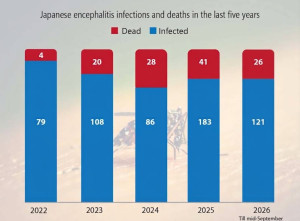
JE is killing more adults in Nepal as vaccination only covers children
Flood survivors face water shortages, disease risk in crowded holding centres
24 days after flood, hunger grips three Rasuwa wards
Four die in three weeks as scrub typhus spreads in Salyan
Seven die of scrub typhus in one month in Salyan
Editor's Picks

What triggered the Rasuwa flood? Scientists piece together a complex chain of events

The floods keep coming. Nepal keeps starting over

In a settlement destroyed by the Bhotekoshi flood, a disabled couple offer strangers the little they have

Nepal working on detailed assessment as Bhotekoshi flood reconstruction could cost up to $5 billion

Rabindra Dhant gave Nepal a reason to smile. Now his camp wants real action behind the praise
E-PAPER | September 29, 2026

×