Reform or collapse: The UML is running out of time to save itself
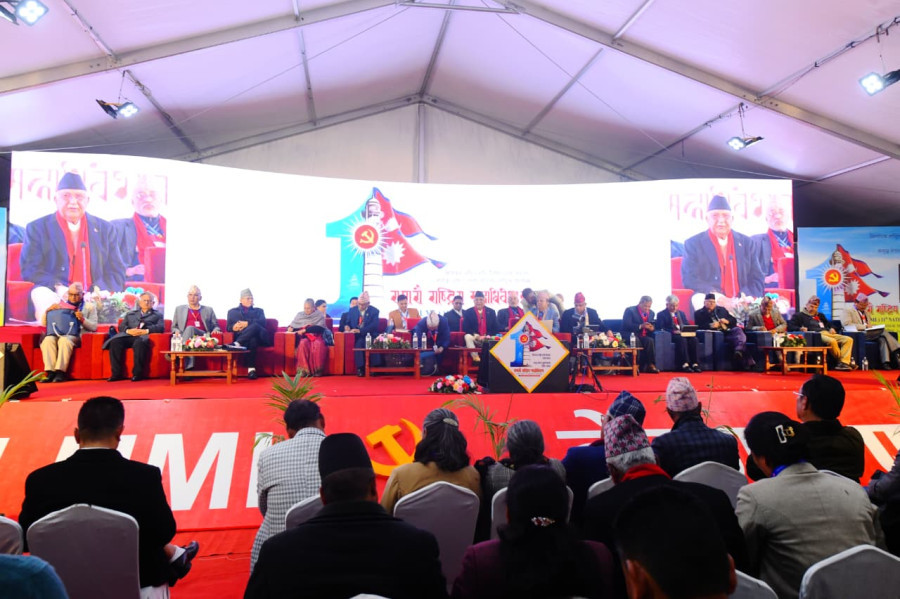
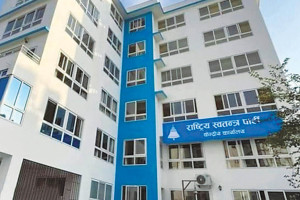
The UML’s continued denial of the sanctity of people’s verdict will put it in an existential crisis. Leaders attend the CPN-UML central committee meeting at Bhrikutimandap. Courtesy of UML
The CPN-UML has doggedly resisted internalising the sea-change brought about by the Gen Z uprising. As a result, the second-largest party in the previous House of Representatives was routed in the March 5 polls, losing more than two-thirds of its seats to now be limited to 25. Its popular votes also went down by half. Yet the party is still unwilling to accept the real reason for its abrupt downfall. It is rather happy to spread conspiracy theories about the Rastriya Swatantra Party’s victory. Addressing the first meeting of the House of Representatives on April 2, the party’s parliamentary party leader Ram Bahadur Thapa linked actors like the Nepali Army, the bureaucracy, the Sushila Karki government, the Gauri Bahadur Karki Commission, the Barbara Foundation, and other institutions and figures with the RSP’s ‘unprecedented’ victory. But he didn’t see any fault with his party or its widely discredited leadership.
Thapa, who is close to UML chairperson KP Sharma Oli, made the statement with the latter’s consent, even as the party claimed it doesn’t own the statement to the extent of naming the institutions involved in ‘election manipulation’. Thapa’s statement again suggests that the party’s top leadership is unwilling to learn. A small section of the party leaders has been voicing the need to radically reorganise the UML following its electoral debacle; among them are deputy general secretary Yogesh Bhattarai and former vice chair Surendra Pandey.
Some leaders, like the party’s Intellectual Council chair Gajendra Thapaliya and Youth Council deputy general secretary Upendra Shah even started collecting signatures to build pressure on the party leadership for a special general convention. The party leadership, however, seems to be living in a parallel universe where all is still well. Summoning those conducting the signature campaign, Thapa and party general secretary Shankar Pokharel asked them to stop it immediately. They said it was insensitive to launch such a campaign while the party chair, arrested in connection with the suppression of the Gen Z uprising, is in custody.
Pressure for a change in the UML leadership started building right after the uprising. It grew during the 11th general convention in December 2025. Still, Oli was elected party chair for the third time with a thumping majority. The party jumped into the elections, projecting him as the prime ministerial candidate. Oli’s leadership was endorsed by the party rank and file but rejected by the larger public. The party’s drubbing in the recent election was a loud and clear message for transformation—if only the UML leadership was willing to listen.
Even after the election, the party has already missed a great opportunity to send a message that it stands for change. Its lawmakers chose Thapa over Suhang Nembang as the parliamentary party leader. The young UML face, only 36, got little support for his bid. Rather than peddling conspiracy theories, the UML needs to engage in serious introspection at this critical juncture. If not, another debacle is not far away. Though there are five years to go for the federal election, local and provincial elections are due sooner. If the party leadership continues on its current course of denial, the UML’s fate in these polls may be worse than what it faced in the recent election.




 14.69°C Kathmandu