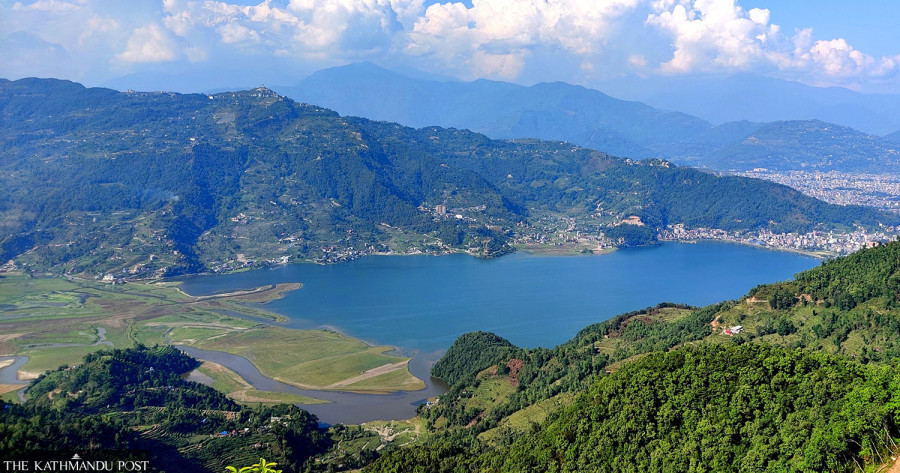
Phewa Lake is an enduring symbol of the captivating beauty of Pokhara, Nepal’s tourism capital. Perhaps the majestic lake and the legally-built structures alongside—everything from eateries and spas, to trinket stores and book shops—by themselves pull in hundreds of thousands of tourists to the city every year. It is thus logical to assume that the destruction of Phewa will have a direct and disproportionate impact on local tourism. The various people and businesses that have encroached on the lake’s catchment area over the years are thus effectively trying to kill the goose that lays the golden eggs. They are also doing great harm to the local ecosystem that supports countless flora and fauna and gives ‘Lakeside’ its natural charm. Successive governments—federal, provincial and local—had been unable to clear these illegal structures, despite state-sponsored surveys and even court verdicts pointing to the urgent need to do so. Most consequentially, on 20 June 2023, the Supreme Court ruled that a 65-metre buffer area around the lake be maintained as a “green zone” and that all unauthorised structures within that zone be demolished within six months. Yet the illegal occupants of encroached land, many of them adept at pulling the right political strings, time and again fought off eviction.
Finally, they have met their match. Just a week after the inauguration of Balendra Shah as the country’s prime minister, excavators are at work in Lakeside, tearing down illegal constructions. This is in keeping with one of the new government’s 100 pledges. There have been some small protests from locals directly affected by the demolition drive. They argue that they should be adequately compensated for the land they will have to give up. Yet the 2023 court verdict has clearly spelled out that any land registered after 1976 in the names of individuals or institutions can be confiscated without paying any compensation—and they are the same people who are protesting now. As they have willfully usurped public property, their protests have no moral or legal standing and can be safely ignored. At the same time, this urgent and important decision of the federal government, which was promptly and adequately backed by the Pokhara municipal authorities, deserves the highest praise. For one thing, we might as well bid the rule of law goodbye if a popularly elected government cannot implement the verdict of the highest legal authority in the land. Yet the previous governments had failed to do even that much.
The Shah government has set a wonderful precedent. If it can show similar impetus on its other big pledges—administrative reforms, service delivery, digital governance, projects and procurements, to name a few areas—it won’t be long before people start seeing tangible changes that improve their lives, in one way or the other. The same applies to the unfolding events in Pokhara. If the new drive on Lakeside is successful in restoring Phewa’s original catchment area, the Shah government’s contribution to it will be remembered for a long time by current and future generations. It shows what a determined government can do in the public interest.




 14.81°C Kathmandu