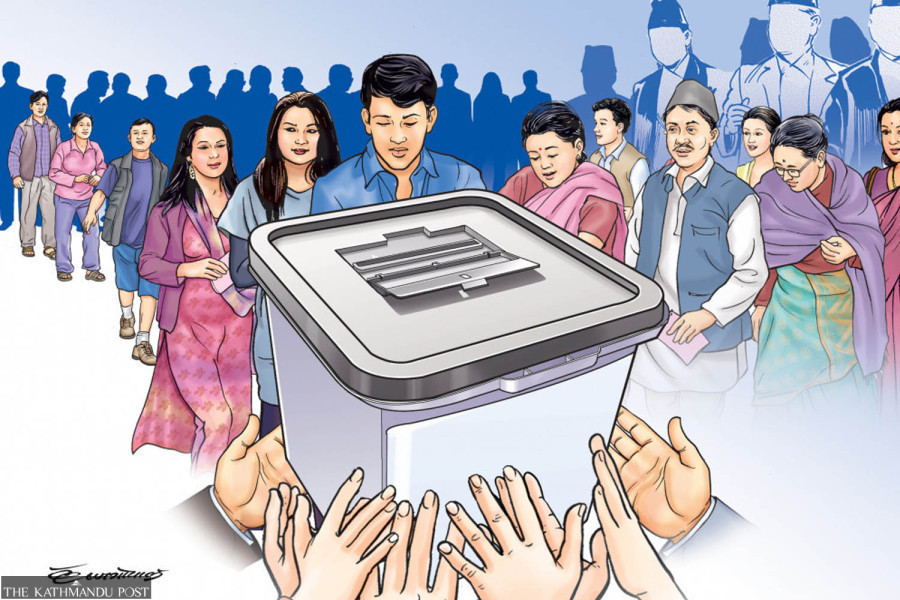
From Tulsipur to Sunsari to Rautahat, political parties and cadres alike have traded the ballot for the bludgeon, creating a climate of fear that threatens to derail the electoral process. The violence displayed by party cadres over the last few days is an affront to the constitution and a direct assault on the rights of the Nepali voter.
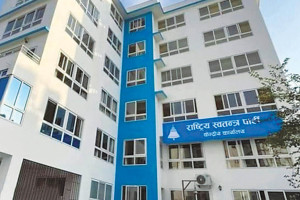
The disgraceful events in Tulsipur serve as a grim reminder of the escalating madness. When supporters of the Rastriya Swatantra Party (RSP) took it upon themselves to burn a flag bearing the CPN-UML’s sun symbol, they didn’t just burn a piece of cloth but torched the very fabric of political tolerance. The subsequent retaliation—the burning of effigies of RSP President Rabi Lamichhane and senior leader Balendra Shah, followed by the vandalisation of the RSP office—was as deplorable. While the RSP leadership claims these acts were the work of infiltrators, designed to tarnish the party’s image, such excuses ring hollow. If a party cannot secure its own ranks from such ‘infiltration’, it has no business asking for the mandate to lead a government.
Similarly, the rhetoric emerging from Sunsari is nothing short of fascistic. For a candidate like Ashok Chaudhary to label those who refuse to vote for the RSP as ‘traitors to the nation’ is a chilling descent into authoritarianism. It provides a moral license for cadres to engage in physical violence. When leaders use the language of war, they should not be surprised when their followers bring the battlefield to the polling station. The ultimate onus for this degradation of political culture rests on the shoulders of the party leadership. It is the height of hypocrisy for leaders like KP Oli to accuse rivals of trying to disrupt the polls while his party’s sister wings issue warnings of retaliation. Parties must stop viewing their cadres as private militias and the leadership move beyond superficial condemnations and begin enforcing real internal discipline, stripping those involved in violence of their party memberships.
Despite the chaos, the decisive action taken by the security forces and the government must be welcomed. The deployment of the Nepali Army in Gaur to contain communal clashes and the imposition of a curfew were necessary interventions to prevent a total breakdown of order. Home Minister Om Prakash Aryal’s decision to convene the central security committee and assign AIG Uma Prasad Chaturvedi to oversee the sensitive Madhesh Province demonstrates a proactive stance. Yet, the potential for revelry to turn into a riot is still high.
However, the state’s security apparatus cannot be expected to babysit political parties indefinitely. The current trust gap between the people and the parties will only widen if the violence continues. Some whisper of poll postponement, citing the ‘aggression on every side’ and the confinement of top leaders like Oli and Dahal to their home constituencies due to safety concerns. These whispers must be silenced immediately. There is no alternative to the March 5 elections. Nepal’s democracy must not be held hostage by the hot-headedness of a few thousand cadres.
As we count down the final 10 days, the message to the parties must be direct: Rein in your cadres or face the consequences of the law. The public is watching, and their patience is not a sign of weakness. The March 5 polls must proceed with the transparency and peace that the people deserve.




 14.82°C Kathmandu