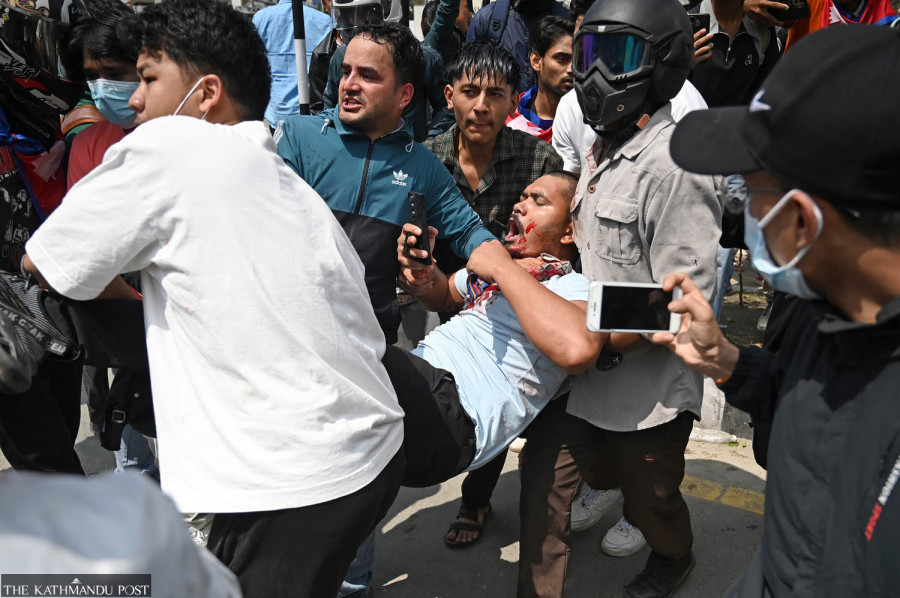
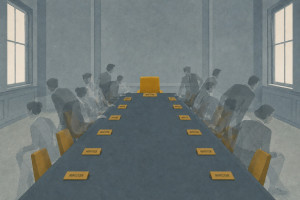
The ghosts of September 8 and 9 still haunt Nepal after unarmed youth were shot down in a flurry of state-sponsored violence and chaotic reprisal. With 77 lives lost and property worth billions reduced to ashes, the mandate of the High-level Probe Commission led by former Special Court judge Gauri Bahadur Karki is a test of the state’s capacity for self-correction. On Monday, when the government granted the commission its third term extension, pushing the deadline by another 25 days, a familiar ripple of scepticism swept across the public square. Yet, in a country where investigative reports are often drafted only to be shelved, a radical departure from our collective impatience is the need of the moment. The Karki commission should be given the time it needs.
Nepal’s political history is a graveyard of hidden reports. From the Lamsal Commission of 2002, which investigated the unnaturally high assets of over 30,000 officials only to see its findings kept secret for years, to the recent panels formed to investigate embezzlements and regulate crisis-ridden cooperatives, a pattern emerges: Commissions provide the theatre of accountability, while the state ensures the final act is never performed. Even watchdog constitutional bodies such as the National Human Rights Commission and the two transitional justice commissions face paralysis due to a lack of political will.
The Karki Commission, therefore, finds itself at a potentially historic moment to change the prevalent culture of investigations. Its mandate—to investigate the deadly crackdown by the KP Sharma Oli-led government and the subsequent destruction of public property—is fraught with political landmines. The commission has already recorded statements from ‘who’s who’ of the Nepali political establishment. For the commission to weave the disparate, often self-serving narratives of the leaders into a cohesive truth that can withstand the scrutiny of a courtroom, 25 days is a small price to pay.
The interim government also needs to confront the elephant in the room: the March 5 elections. The government’s admission that the extension was granted to avoid ‘any kind of friction’ before the polls is a rare moment of transparency. Releasing a report that could potentially implicate high-profile leaders currently on the campaign trail is a recipe for electoral disaster. There is a pragmatic, if bitter, logic to keeping the report under wraps until the ballots are cast. If the price for a peaceful electoral environment is a few weeks of delay, the public should consider it a tactical retreat in the larger war for justice.
In the larger context, the Karki Commission needs to prove that it is not another Rayamajhi or Lamsal commission—no more than a pressure-release valve for public anger. To do this, it must ensure that the findings are so airtight, their evidence so compelling, and their recommendations so specific that they become impossible to ignore. A rushed report is a gift to the guilty as it provides the loopholes through which the powerful will inevitably crawl. If the commission is currently busy writing the report and requires time to finalise it, we must accord it the professional courtesy of silence.
The Karki Commission carries the weight of a generation that demanded change. If 25 more days are what it takes to ensure that justice is delivered, then let the clocks tick. Meanwhile, the state must understand that while it may delay the report to protect the election climate, the public will not tolerate its burial once the ballots are counted. Karki Commission, take your time. But make it count.




 12.64°C Kathmandu