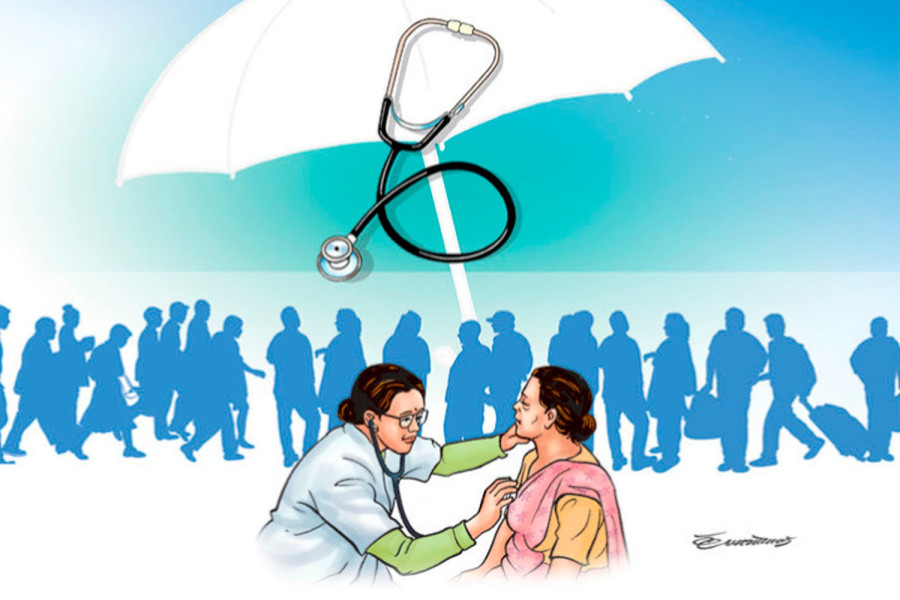
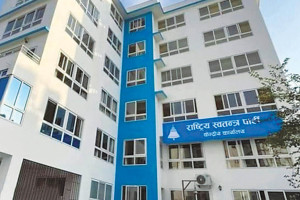
With the aim to achieve universal health coverage, the government of Nepal launched the National Health Insurance Programme (NHIP) in 2017. The programme, under the Health Insurance Act of 2017, also sought to ensure access to quality healthcare for all, regardless of their economic status. This was in line with the Constitution of Nepal, which guarantees free basic health services as a fundamental right of citizens. Article 51 (H) of the constitution has a provision for health insurance. Following the programme’s introduction, many citizens enrolled in it; still, the 2022 National Demographic Health Survey revealed that of the total population aged 15–49, only 10 percent have participated in the service. This figure is not surprising given the NHIP’s failure to attract new beneficiaries due to bureaucratic hurdles and to retain those already enrolled through effective service delivery, transparency and, most important, adequate funding.
The funding issue has already begun to affect Nepal’s prominent state-run hospitals, including Tribhuvan University Teaching Hospital in Kathmandu. Arguing that the government has yet to fully reimburse them for the owed amount of around Rs400 million, TUTH discontinued services under the NIHP earlier this month, depriving those unable to pay out of pocket of access to care. Following the TU Teaching Hospital’s step, Bir Hospital, another state-run establishment, is overwhelmed with patients seeking services under the health insurance programme. Although the hospital is yet to halt the service, it is also under pressure as dues owed surpass Rs400 million.
We are only halfway through the current fiscal year, and the Health Insurance Board has spent all funds set aside by the government (Rs11 billion) and collected in insurance premiums from the public (Rs3 billion). A total of Rs10.5 million in dues is yet to be paid to more than 500 healthcare centres across the country. Responding to patients’ grievances, the health ministry has sought support from the finance ministry and requested Rs1 billion to continue the health insurance service by paying dues to the hospitals. This step will temporarily settle the matter, but as this is not the first time inadequate investment has affected the NHIP, it’s time Nepal sought long-term solutions to keep the scheme afloat.
First, successive governments must understand how important a health insurance programme is for a country like ours. The scheme’s goal of providing healthcare access for all is noteworthy in itself. People living below the poverty line, elderly people, family members of people with HIV and differently-abled people, among others, don’t have to pay even the premium amount, i.e., Rs3,500. Therefore, many people’s hopes rest in the programme. Failing to adequately fund it also means betraying hundreds of thousands of people who rely on it for all their health problems. When ambitious government programmes lose credibility due to a funding crunch, it may set a bad precedent and make it harder for the government to pull off other beneficial schemes.
Developed countries have successfully sustained health insurance through sufficient funding and effective delivery. Nepal’s South Asian friends, Bhutan and Sri Lanka, are expected to reach over 90 percent coverage by 2030 through sustained investment in primary healthcare. Nepal, where half a million Nepalis are pushed below the poverty line due to expensive medical care, cannot afford to lag behind. For this, existing bureaucratic hurdles and budgetary issues must be addressed. The future of Nepal’s health insurance programme rests on political commitment to health equity for all. It cannot be compromised.




 14.76°C Kathmandu