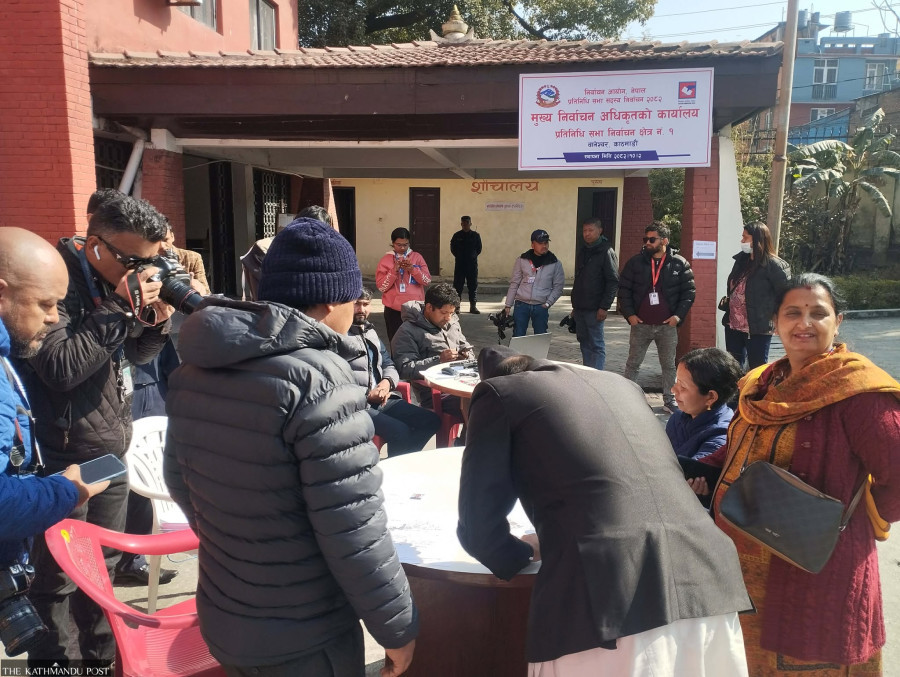
The Nepali political landscape is undergoing a seismic shift, one that echoes the demands for change raised during September’s Gen Z movement. For decades, the country’s political discourse was dominated by an old guard whose grip on power often seemed absolute. However, as the March 5 elections approach, the emergence of a new trend—where parties are increasingly pinning their hopes on new faces—signals a transformative moment in Nepal’s democratic journey. At a glance, this trend might appear to be only a change in personnel. A deeper look suggests that it is the internalisation of the Gen Z protests’ demand for a generational power transfer.
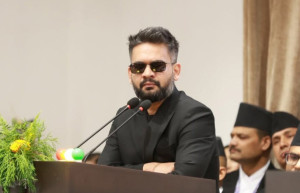
The Nepali Congress, a historically democratic force, has become a primary vehicle for this transformation. The party’s recent special general convention was a watershed moment, enabling a generational power transfer in the party’s rank and file, which saw Gagan Thapa elected as party president, marking a 30-year age difference from the previous party chair Sher Bahadur Deuba. Thapa has moved with speed to distribute election tickets, intentionally favouring young and fresh candidates. For instance, the party has fielded Sachin Timilsina, a cricket commentator and founding president of Youth Congress Nepal, from Kathmandu-4; youth leader Yogesh Gauchan from Mustang; and former student leader Nishkal Rai from Ilam-1. This exemplifies the push for younger representation in traditional strongholds. The party even proposed Gen Z activist Rakshya Bam to contest for Kathmandu-1. The very act of reaching out to a Gen Z-er and the youth’s inclusion in the nomination list underscores a symbolic shift in how Congress sees its future.
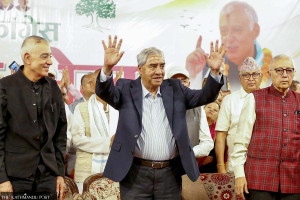
This trend is coupled with the gradual exit of the old guard, epitomized by the exit of former Congress president Deuba from the election race. Having represented parliament continuously since 1991, Deuba’s decision not to contest the upcoming elections—driven by the firm stance of Thapa and Party Vice-President Bishwa Prakash Sharma—marks the end of an era. The Dadeldhura ticket, held by Deuba for decades, has notably been passed to former Nepal Student Union President Nain Singh Mahar. This departure was not entirely smooth, but it seemed necessary to avoid sending the wrong message to a public hungry for change.
This trend of youth integration extends beyond the Congress. Despite internal party friction and critiques regarding leadership styles, the CPN-UML has also nominated younger faces. Young leader Kshitij Thebe has been nominated from Taplejung, and Suhang Nembang has been nominated again from Ilam-2, showing that even within traditional structures of mainstream parties, there is a recognition that the weight of youth expectations cannot be ignored. As expected, the alternative parties—including Rastriya Swatantra Party and Gatisheel Loktantrik Party—have fielded even more young candidates like Bhoop Dev Shah, KP Khanal and Ganesh Karki.
The March 5 elections are not a routine exercise. They are a test of whether the spirit of the Gen Z movement can be successfully institutionalised. The inclusion of new energy and perspectives is the first step toward achieving the good governance and anti-corruption measures that the people demanded on September 8 and 9. As the nation prepares to vote, it is clear that the call for a generational change is no longer just a slogan—it is becoming a political reality. The voters must now ensure that they back promising new faces in order to herald a new era of Nepali politics.




 14.4°C Kathmandu