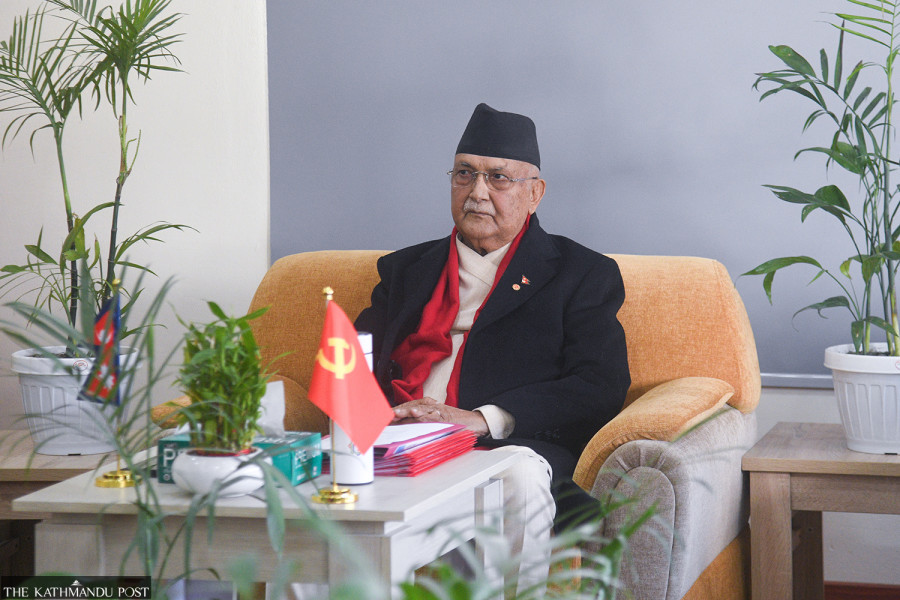
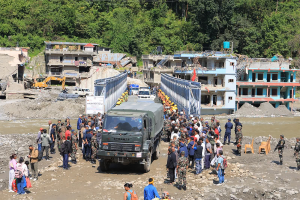
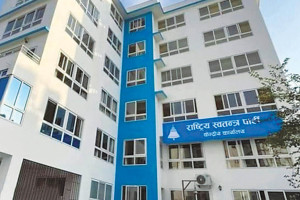
Following the successful Gen Z revolt in early September, there has been a stark contrast in developments inside the Nepali Congress and the CPN-UML. The dissident faction in the Congress, the largest party in the dissolved parliament, were able to force a special general convention, which duly picked a new party leadership under Gagan Thapa. The leadership of the UML, the second largest party in the dissolved parliament, was also forced to hold a general convention in the wake of the revolt. Yet, unlike what happened in the Congress, the old guard under KP Shama Oli was able to further tighten its grip on the party. As expected, in the aftermath of the general convention, rather than strengthening the democratic process within the UML, Oli seems even more determined to stifle any remaining opposition to his absolute rule. Most recently, this is being played out in ticket distribution for the March 5 polls. Besides picking his loyalists for most of the 165 first-past-the-post seats, he has kept tickets for 25 constituencies ‘on hold’. In the ticket distribution process, the likes of Ishwar Pokharel (Oli’s challenger for party chair in the recent convention) as well as Yogesh Bhattarai (who was elected an office-bearer from the Pokharel camp) have been sidelined.
Analysts reckon the 25 constituencies have been kept on hold to keep the UML rival faction leaders in a state of anxiety and in order to work out a ‘seat sharing’ arrangement with other political parties—again, both these goals are aimed at boosting Oli’s chances of being elected through the upcoming general elections and further squeezing the party’s rival faction. Such an arbitrary distribution of election tickets in turn is brewing discontent among the party rank and file. Election tickets should naturally go to the candidates who have strong public standing and thus a realistic chance of winning. Randomly distributing tickets on the basis of loyalty to party leaders while ignoring the public desirability of candidates is just about the worst electoral strategy. Also, even though the party has declared that there will be no electoral alliances, many of the 25 remaining constituencies are sure to be used to guarantee wins for certain UML leaders, including Oli from Jhapa 5, where he is likely to face tough competition from the outgoing Kathmandu mayor Balendra Shah.
Given the volatile nature of post-September Nepali politics, it is hard to predict how well the UML, in many ways the antithesis of the Gen Z movement, will do. There is also this old constituency of left-leaning voters who struggle to vote for any party besides the UML. But all evidence suggests that this pool of ‘locked in’ and comparably older UML voters is shrinking. If the party cannot appeal to younger voters, it will struggle. Yet there is little the Oli-led UML offers the Nepali youth this election cycle. Instead, the image of UML as a rigid outfit that is out of step with the spirit of the times is building—now even in the traditional UML base.




 14.69°C Kathmandu