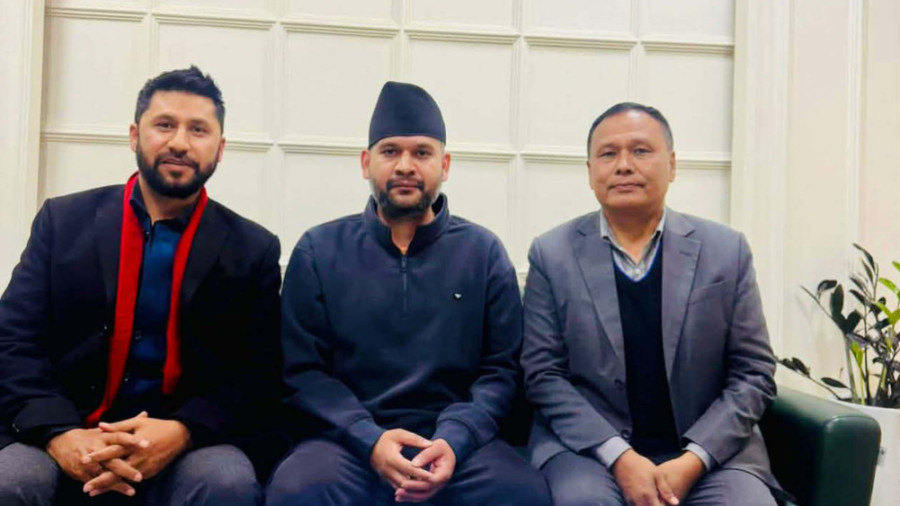
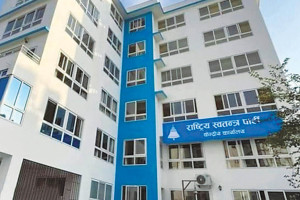
Kathmandu Mayor and current Rastriya Swatantra Party member Balendra Shah is said to have this dream of uniting all the ‘alternative’ political forces in the country and then leading the new collective. This, he believed, was important in order to mount a strong fight against traditional parties like the Nepali Congress and the CPN-UML in the upcoming elections. And once such a force got people’s mandate to take the country on the path of clean and effective governance in line with the spirit of the September Gen Z movement. Yet this mission of Shah took a big hit when the Ujjyalo Nepal Party (UNP), which had merged with the RSP, pulled out of the merger just 12 days after their unification. Under the collective leadership of Shah, Rabi Lamichhane and UNP Chair Kulman Ghising, the revamped RSP appeared to be a potent electoral force, with the three leaders between them having a pan-Nepal appeal. Yet Ghising and the UNP had to pull out, apparently because of differences over Ghising’s position in the new party, the RSP’s pick of Proportional Representation candidates and the RSP leadership’s reservations over UNP agendas like federalism and inclusion.
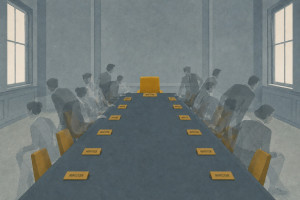
Such an abrupt rupture in a new force that was seemingly capable of going toe to toe with the old parties in upcoming elections is not a healthy development for Nepali democracy. The most common response to Ghising’s pullout from the RSP has been that the newer forces are no better than the old ones. They too are obsessed with personal ambitions, are power-hungry and have little regard for the country’s aspiration for change. From the outside, it is hard to say who was more at fault for the dissolution of the merger. Lamichhane, the RSP chair, says Ghising kept adding to his demands. Ghising, meanwhile, has publicly blamed the RSP interlocutors of trying to ‘snuff out the UNP’s existence’ and making him ‘surrender’ personal integrity. Whatever the case, these personalities and forces that like to differentiate themselves from the old self-serving political elite must do better in terms of articulating and respecting public sentiment—even if it means making personal sacrifices in the short term. With Ghising leaving the party, the next logical question is: What prevents even Shah from walking out—if indeed this unity between alternative forces was aimed only at catering to personal egos?
Perhaps it also opens the door for old forces like the Nepali Congress, which is on the verge of electing new leadership following an internal revolt. If the new generation leaders in the old parties are ready to risk their political careers to force such reforms, the public image of such parties is bound to improve over time. This, in turn, will boost people’s hopes in Nepali politics. Right now, the primary job of the political parties, both old and new, should be to restore public faith in Nepal’s democratic process, a faith that had been battered through decades of misrule and corruption. The upcoming elections are taking place after a revolution. All the political parties that take a business-as-usual approach to them will pay a price.




 14.69°C Kathmandu