



 14.7°C Kathmandu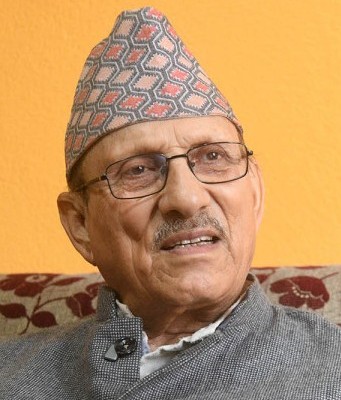

Fri, Oct 23, 2026
Columns
Open the door to new diplomats, but don’t leave the table unguarded
An ambassador is Nepal’s face abroad. That face must be reliable, not just brilliant.
bookmark
Gopal Bahadur Thapa
Published at : June 5, 2026
Updated at : June 5, 2026 18:09
The government has finally decided to throw ambassadorial posts open to public competition. First of all, I want to caution that diplomacy should not be made into an experimental lab. It is full of risks if not managed carefully. The government thinks it marks a break from tradition where, for years, embassies were seen as parking lots for political cadres and retired bureaucrats. The new policy encourages those with merit and diplomatic skills to apply.
We must know that diplomats are not born but are made through training, exposure and years of experience in the diplomatic field. It is an art and technique requiring sharp analytical insight into the contemporary international relations management complexities and the ability to interpret their implications for national interests.
Diplomacy is both talent and tact, intelligence and intuition. It is a statecraft. A diplomat should be well-versed in the art and techniques of negotiating treaties and the peaceful resolution of disputes. Like any reform, it has a bright side and a shadow side. The question is not whether open competition is good or bad. The question is, how do we use it without breaking what already works?
Merits
When ambassador posts are rewards for personal loyalty, competence becomes optional. Open competition breaks that cycle. A trade lawyer who has negotiated power purchase agreements for years can now apply. An economist who has worked on climate finance at the UN and other related fields can compete. This way, Nepal gains specialists, not just generalists.
The open competition has made English and technical competence a baseline—a must in diplomatic work. Diplomacy is about negotiation, and negotiation takes place in English. Agreements and statements are drafted and debated in English. One vague phrase can shift liability or weaken protection for Nepali workers. An open test of written and spoken English, legal drafting and scenario-based negotiation forces a minimum standard. Foreign ministry officials in missions are said to suffer from a lack of articulation ability in English. That ends when we select for competence.
Talented Nepalis in academia, the private sector and the diaspora who avoided the foreign service because of political entry barriers now find a path in. This widens the talent pool. For a country with a limited pool of diplomatic experts, more brains is a strategic advantage. When Nepal sends envoys selected through a rigorously published process, their performance may help restore Nepal’s sagging international image. Our friendly countries will start to take our representation seriously. Our diplomatic credibility will regain its lost image.
Demerits
We must know intellect is not instinct. A top test-scorer may know international law but not know when to say ‘yes’ and when to deflect in a tense bilateral meeting. He may write perfect English but not know the protocol of a state dinner, the timing of a backchannel call or how to run an embassy when a crisis erupts.
Talent is important, but not enough in diplomacy. It also needs tact, experience and presence of mind.
Open competition will undoubtedly bring talent into our diplomatic service. Sharp minds, domain experts and fluent English speakers will enter the system, and that is a gain we should welcome. But handling diplomacy effectively requires more than talent. It demands tact—the ability to phrase a “no” so it sounds like “let’s explore”.
It demands experience to know which battles to fight today and which to postpone for tomorrow. And it demands presence of mind to think clearly when a counterpart ambushes you with new demands. A test can measure IQ and language. It cannot measure whether a person will keep their nerve when the room turns hostile or whether they can build trust with a foreign minister over years, not weeks. Without tact, experience and presence of mind, even the brightest candidate becomes a ‘diplomatic greenhorn’ who knows the answer but cannot deliver it at the table.
Loss of institutional memory is yet another problem. Career Foreign Service Officers spend years learning Nepal’s foreign policy doctrine, building networks and understanding the nuances of relations and how to maintain balanced bilateral relations. If open competition replaces the career track, we may lose that spine. Memory is built over time, not through exams.
One-size-fits-all risks
Not every embassy is the same. The work of the ambassador in New York negotiating peacekeeping mandates and multilateral resolutions is different from the work in Doha protecting the interests of Nepali workers. A single competitive exam cannot produce the right profile for both. If we apply open competition uniformly, we may get technically strong people in the wrong posts.
The balanced path
The world’s best diplomatic services choose not between merit and experience, but a combination of both. We should do the same.
For strategically important posts in big countries, the government should pick and directly choose people who are experienced, trustworthy and capable of handling the diplomatic challenges demanded of them. These posts handle Nepal’s core security, trade and strategic balance. They need people the Prime Minister trusts, those who understand Kathmandu’s politics and can make networks in South Block, Beijing or Washington. The risk is too high for on-the-job learning here. For other missions focused on trade, labour, tourism and investment, selection through open competition may work. That is where specialists in hydropower, migration law or climate finance can deliver immediate value.
‘Open’ must mean ‘qualified open’, with the requirement of a minimum of three to five years of proven work in negotiation, treaty drafting, trade or labour. More than half of the posts should remain for career officers who join through foreign service exams and grow through rotation. They provide continuity, language skills in non-English countries and institutional memory. Open competition should complement them, not replace them.
We should open the door, but guard the table; the negotiation table. Nepal does not need more ambassadors. It needs ambassadors who can negotiate clearly and win. Open competition gives us sharper minds and technical depth. It corrects decades of patronage. That is its merit, and it is substantial. But merit without diplomatic craft is risky. An ambassador is Nepal’s face abroad. That face must be reliable, not just brilliant. Experience, training and trust are what make an envoy reliable. That is the demerit we must guard against. So open competition should open the door, with rigorous testing setting the standard. But experience and the Ministry’s judgment should decide who sits at the negotiation table in Delhi, Washington or Geneva.
The right answer to the conundrum is both: The government should pick and choose ambassadors directly for strategically important countries and open the doors with conditions for the rest. Only then will our lean missions punch above their weight, and only then will ‘economic diplomacy’ stop being a slogan and become results for Nepali workers, exporters and citizens.
Gopal Bahadur Thapa
Thapa is former chief of protocol at the Ministry of Foreign Affairs, Nepal.




Most Read from Columns




Editor's Picks





E-PAPER | October 23, 2026

×