



 22.94°C Kathmandu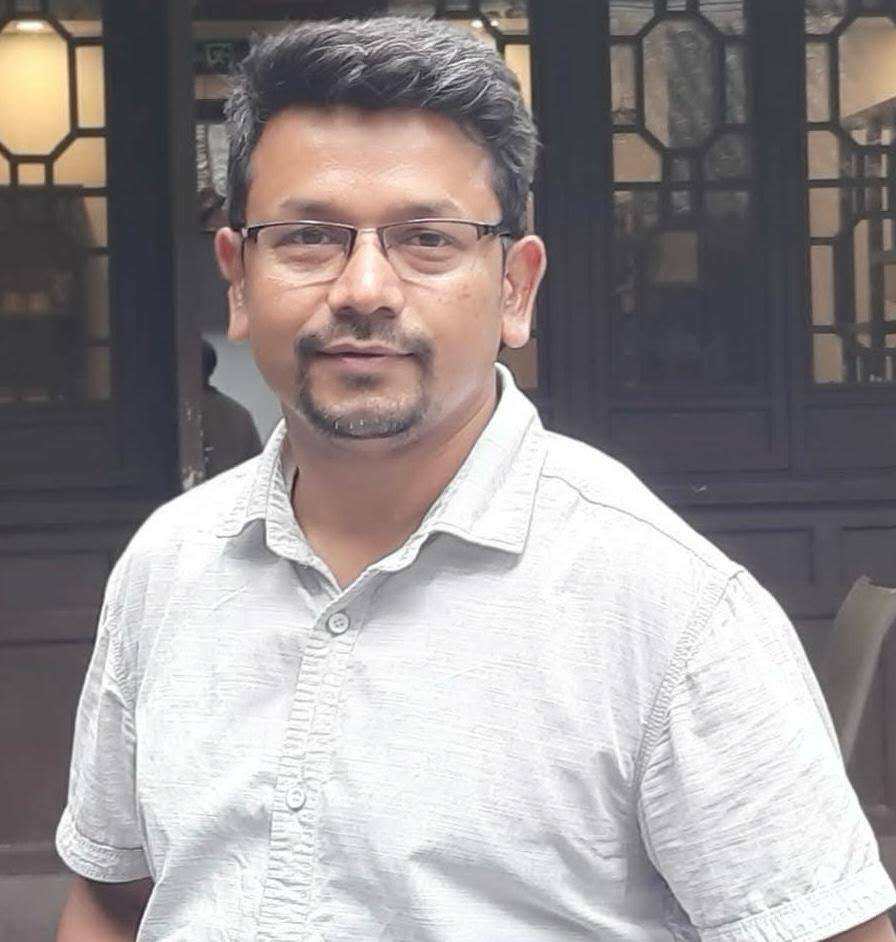

Thu, Oct 22, 2026
Columns
Tourism, culture and development: Three pillars of Nepal’s soft power
Now is the time to unlock Nepal’s soft power globally and ensure its progress isn’t delayed.
bookmark
Prasanta Kumar BK
Published at : April 14, 2026
Updated at : April 14, 2026 07:30
The discourse on soft power has once again emerged, engaging not only students, scholars and diplomatic practitioners but also the general public across the nation. This is largely because the newly formed government, led by the Rastriya Swatantra Party (RSP), outlined that it would adhere to soft power in its civil contract. The contract briefly reads how soft power will be promoted through tourism, culture and investment. It also points out how the Nepali diaspora can be utilised to enhance soft power, particularly by engaging them in cultural exchanges, promoting tourism activities and encouraging investment back into Nepal. This moment thus calls for an understanding of soft power and its importance for Nepal.
The idea of soft power was introduced by Professor Joseph S Nye, Jr, in 1990 in his influential book, Bound to Lead: The Changing Nature of American Power. He defines soft power as the ability to influence others’ behaviour through non-coercive means. In other words, it is a persuasive force that avoids the use of force or hard power and relies primarily on cultural appeal. In his next book, Soft Power: The Means to Success in World Politics, he describes soft power as a co-optive power—the ability to shape what others desire—rooted in the attractiveness of one’s culture and values. Soft power can be taken as a form of currency (neither force nor money) to foster cooperation among nations.
Nepal can localise the idea of soft power in our own context, as it has a compelling cultural capital to share with the world. Nepal’s soft power includes the teachings and legacy of Gautam Buddha, a rich cultural heritage, the high Himalayas—home to Mount Everest, diverse languages, abundant biodiversity, world heritage sites and sacred temples. More importantly, the warm smiles of its people are a significant source of soft power. Therefore, it would not be an exaggeration to say that Nepal, as a civilisational state, has been practising soft power diplomacy for a long time, even before the formalisation of this idea in theory.
Soft power matters for Nepal for several reasons. The country has been projected as a peace-loving nation, largely due to the Buddha’s message to the world, which emphasises non-violence. As global geopolitics shift from the global north to the global south, Nepal should uphold its commitment to non-violence and advocate for world peace, as outlined in its constitution. Nepal is also known as a symbol of peace and stability due to its involvement in UN peacekeeping missions. Besides that, Nepal serves as a melting pot of Indic and Sinic civilisations, which makes its culture and language more diverse and distinct, attracting people from all over the world to observe them. Likewise, every year, mountaineers and expeditioners flock to Nepal to climb Mount Everest and other mountains. The country’s abundant tourist destinations, cultural treasures, religious sites and diplomatic endeavours all contribute to its soft power, which it may use to its advantage in the global arena.
Despite having the most effective soft power resources, challenges in implementing such a diplomacy persist. First and foremost are people’s struggle with poverty. The unequal distribution of opportunities and resources hinders the ability to harvest the benefits of cultural efforts and other resources. The second challenge is climate change, which is significantly impacting people’s daily lives, including tourism, as mountains are melting. Nepal is yet to develop effective climate-oriented policies and promote sustainable development.
The third challenge is addressing delays in infrastructure development, particularly in roads, transportation and inadequate services. A Chinese friend of mine remarked on the beauty of the landscapes but noted that it took many hours to travel from Kathmandu to Chitwan National Park, a distance of around 180 kilometres. It is vital to reduce this travel time by upgrading the roads to deliver a smooth travel experience for tourists.
During the pilgrimage season, many people from India travel to Nepalgunj (in the mid-west of Nepal), then to Simikot, and finally to Kailash (in Tibet, China), a spiritual place for both Hindus and Buddhists. But we don’t have sufficient hotels. Once, I noticed that the four-star-rated Hotel Siddhartha in Nepalgunj was fully occupied, and the lobby was crowded with tourists. We need more accomodation infrastructure in this part of the region to meet the needs of tourists. We can attract the private sector with suitable policies and programmes that incentivise investment in tourism infrastructure. It is essential to create a favourable investment climate for the private sector, ensuring that businesses can thrive in the country. This will ultimately foster a positive image, which is a key aspect of soft power diplomacy.
Despite the challenges ahead, Nepal has opportunities to expand physical and digital connectivity, thereby attracting more tourists for income and employment generation. Doing so will ultimately contribute to the country’s economic development. The most prominent opportunity is increasing global connectedness via new forms of communication and technological innovation, as well as the Nepali diaspora. One can create content and disseminate it on social media platforms to showcase vibrant Nepali traditions and tourism to the world. The state can also call upon the diaspora to bring substantial investment in the state-building process, which is part and parcel of the soft power of Nepal.
Nepal Tourism Board, Nepal Airlines (the national flag carrier) and various private sector travel agencies have been collaborating on promotional activities, including marts, expos and cultural exchanges. These efforts are conducted in close coordination with embassies, consular offices and the diaspora. Such initiatives are crucial for promoting a positive image of Nepal globally. The government should prioritise these efforts, allocate sufficient budget and strengthen the capacity of these line agencies to project soft power diplomacy effectively.
In a changing context, Nepal has an opportunity to build a society that values and protects its cultural heritage as an integral part of its national identity and pride. Earlier, the country’s volatile political landscape significantly hindered its soft power diplomacy. Now, this no longer appears to be the case, due to the overwhelming mandate given by the people to the young and new political force, RSP. Now is the right time to unlock Nepal’s soft power potential globally and ensure that its progress and development are not delayed.
Prasanta Kumar BK
BK is a PhD scholar at the School of International Studies, Sichuan University, China.


Most Read from Columns




Editor's Picks





E-PAPER | October 22, 2026

×