



 14.81°C Kathmandu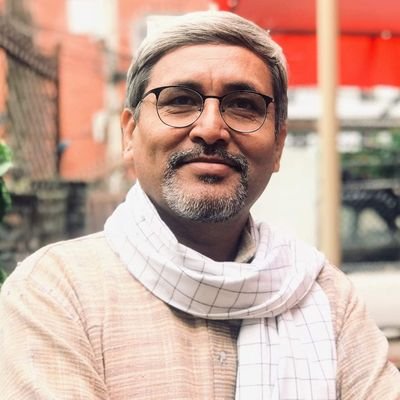

Sat, Oct 24, 2026
Columns
Citizen security in democracy
Where the security apparatus is accountable, transparent and sensitive, democracy grows stronger.
bookmark
Chandrakishore
Published at : February 9, 2026
Updated at : February 9, 2026 23:35
After the Gen Z uprising, questions arose about Nepal’s security apparatus’s rapid response capacity. Equally significant was the question: Why is there more repression in movements carried out by the people? The state has always tended to view movements more as challenges to power rather than as exercises of rights. Movements that are especially marginalised, identity-based and demand structural reforms are particularly ‘uncomfortable’ for the state.
Because such movements raise questions not only about the government but also about the entire governance system, power balance and historical injustices. Therefore, rather than engaging in dialogue, security forces come forward and use force in the name of the law. ‘Peace and security’ get conflated with ‘control’. Repression here becomes a way to conceal failure. Along with other issues, citizen security should also be discussed in elections.
Is citizen security the shield of power or the trust of citizens? Citizen security does not merely mean the visibility of police on the streets or the erection of barricades. Rather, it is about the state’s arrangements to make the citizens feel protected in their own country. This security is also tied to mental health, constitutional rights and freedom of expression. Yet in our democratic practice, the security apparatus often appears less as the protector of citizens and more as the armour of power.
Here, the training culture, command structure and mindset of the security apparatus have not yet freed themselves from the colonial legacy. During the Shah period, the purpose of the police and the army was not to serve the people but to suppress dissent against the ruling class. Over time, power changed, and the constitution changed. The only thing that remains unchanged to this day is viewing people with a ‘subject mentality’ rather than a ‘citizen mentality’. Such practice remains embedded in the security apparatus even today.
The first reason the security apparatus has failed to become citizen-friendly is institutional thinking. Security forces are still taught that citizens are a potential threat, especially when they organise themselves in crowds and ask questions. They have been trained to ‘control the crowd’, rather than ‘communicate with the crowd’. Orders take the place of dialogue, and power replaces consent.
The second reason is immense political interference. On paper, the security apparatus may be impartial, but in practice, it is driven by the will of the ruling political power. The classification of a demonstration as either a ‘breach of peace’ or a ‘democratic right’ is often decided not on the ground but within the offices of power. When security forces repeatedly receive the message that criticising power is a law-and-order problem, citizen-friendliness remains an empty slogan.
The third reason is the lack of accountability. When force is used in a demonstration, injuries occur, resulting in the loss of lives. However, rarely is accountability fixed within the security apparatus. Even if an investigation is conducted, it remains a departmental formality. When there is no price to pay for repression, it becomes the default option. In Nepal, many commissions have been formed for such inquiries, but either the reports are not made public, or no action is taken on them.
In such a scenario, one is often posed with the question: Why do states resort to repression as soon as people take to the streets to protest? In a democratic state, taking to the streets is the last resort. When the parliament, the courts, the media and the administration all seem closed off, citizens choose the streets. But the state sees this not as a democratic warning but as a direct challenge. Power fears that if one demonstration succeeds, it will set an example.
This very fear hands the baton to the security apparatus. Demonstrations are declared ‘mobs’, demands are termed ‘anarchy’ and dissent as ‘anti-state’. It is deliberately forgotten that the constitution has granted citizens the right to protest, provided it is peaceful. But for power, even peaceful protest is acceptable only as long as it remains ineffective.
Repression also happens because dialogue is no longer the state’s priority. Dialogue takes time, gives legitimacy to dissent and holds power accountable. Repression is quick, visible and creates fear, so it seems more convenient for power.
Why does this issue remain absent in elections? During elections, political parties speak about unemployment, inflation, development and identity politics. However, almost no one discusses making the security apparatus citizen-friendly. The first reason is the desire to come to power. Those who criticise repression while in opposition find the same apparatus useful once in power. No party wants to give up, upon reaching power, the tool that helps crush opposition. The second reason is the desire to avoid unnecessarily provoking the security apparatus by raising this issue during elections.
The third reason is the lack of public pressure. Citizens often remember the security apparatus only when the baton falls on them. The collective consciousness to make this an electoral agenda has not yet developed. Until voters ask the question, “How will you make the police and security forces citizen-friendly after coming to power?”, political parties will remain silent.
The way forward is not security, but trust. Citizen-friendly security apparatus does not mean giving free rein to lawbreakers. It means the use of force should be the last resort, not the first. It means security forces should receive training in dialogue, mediation and constitutional values. It is also essential that there be independent and transparent investigations in cases of repression.
In the end, the questions are the same. Do we envision a democracy where the voices of citizens are perceived as a security risk, or a democracy where the security apparatus stands with citizens and not against them? In a democracy, citizen security is a central issue because the primary source of the state’s legitimacy is to protect the lives, liberty and dignity of citizens. The meaning of security is not just crime control, but also the assurance that citizens will not be punished for expressing dissent, asking questions or engaging in peaceful protest.
Second, citizen security enables a balance of rights and duties in a democracy. When it is a citizen-friendly apparatus, law becomes a tool of justice and not fear. This allows minorities, marginalised communities and dissenting voices to participate in public life. In contrast, a repressive security system limits democratic participation, fosters self-doubt rather than self-restraint and deepens the gap of distrust between the establishment and society.
Ultimately, citizen security is the measure of democracy’s durability and quality. Where the security apparatus is accountable, transparent and sensitive, democracy grows stronger. And where fear reigns in the name of security, democracy gradually becomes hollow. Therefore, citizen security is not a technical or administrative matter, but a question of democratic soul. It determines whether the state is the protector of citizens or merely a power that controls them.
Citizen security is not strengthened just by laws, but also by compassion and restraint. The security of the people cannot be fulfilled by keeping a distance from them. The tone of the security apparatus itself decides whether it is a protector or a ruler. Wherever the mere sight of the security apparatus creates fear, then democracy becomes insecure. This question should also be asked on the ballot.
Chandrakishore
The author is a veteran journalist.





Most Read from Columns




Editor's Picks





E-PAPER | October 24, 2026

×